
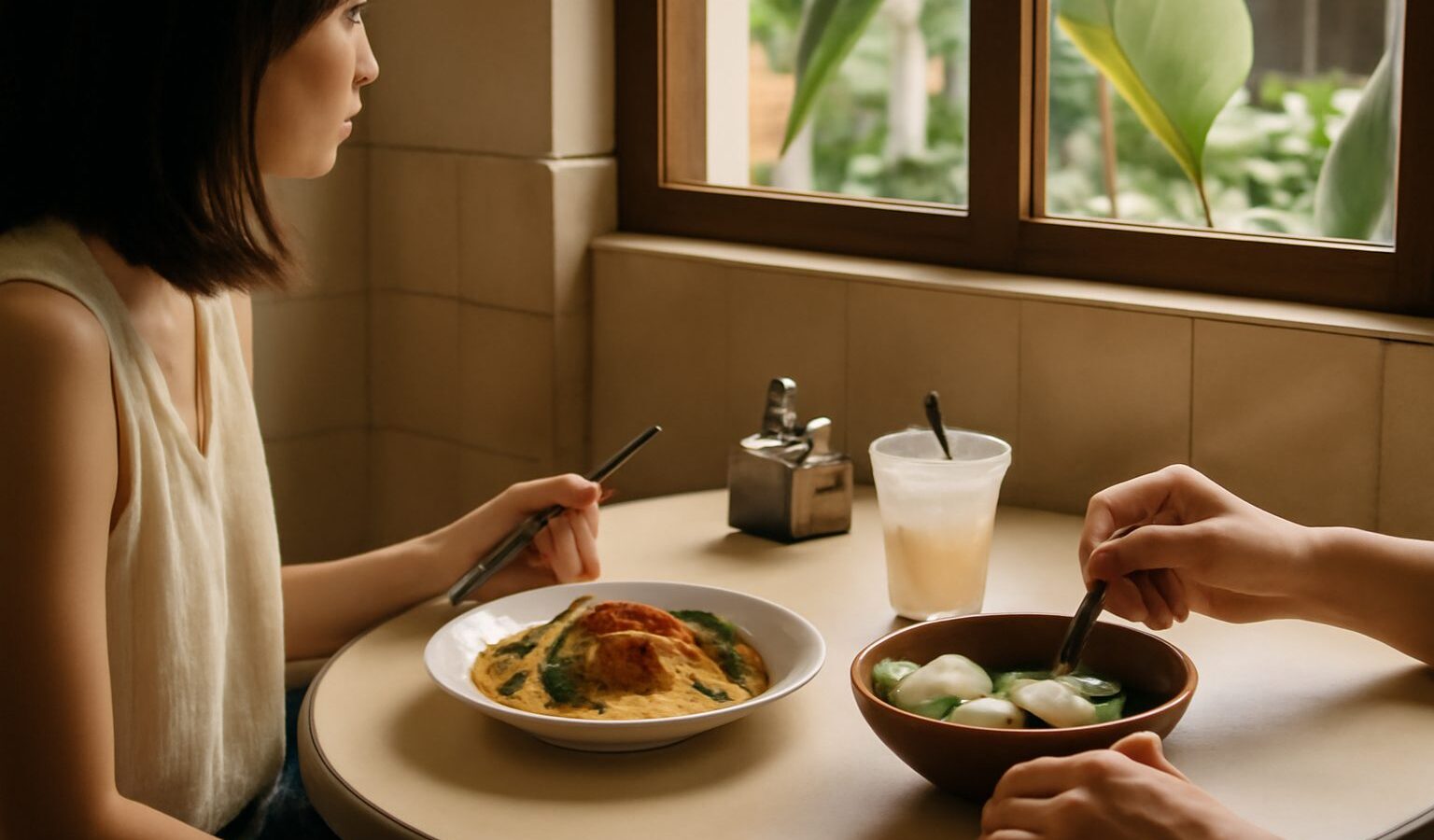
Some of the best meals in Singapore never make it onto a glossy list. They come from a corner stall with a handwritten sign, a coffeeshop unit tucked behind a wet market, or a shophouse kitchen that has fed the same street for decades. Chasing hidden gem restaurants is one of the great pleasures of eating here, a treasure hunt that rewards curiosity, patience and a willingness to wander off the obvious path. This guide is about the kinds of places worth seeking, and how to find them for yourself rather than following the crowd.
What Makes an Eatery a Hidden Gem
A hidden gem is not just a place few people know. It is somewhere that punches far above its surroundings, serving food with real care despite a plain setting, an awkward location or a total lack of marketing. The magic is in the gap between how humble it looks and how good it tastes.
These places tend to share a few traits. They often do one thing, or a short list of things, extremely well rather than offering a sprawling menu. They are frequently run by the people who cook, so pride and consistency come baked in. And they rarely advertise, relying instead on word of mouth, a loyal neighbourhood following and the slow-burn reputation that comes from years of getting it right.
Crucially, hidden does not mean obscure for its own sake. The goal is not novelty but quality, the quiet satisfaction of finding somewhere genuinely excellent that has escaped the spotlight.
Where the Gems Tend to Hide
Once you know the kinds of places to look, they start appearing everywhere. The trick is to explore the spots most people walk straight past.
- Heartland hawker centres, especially the older ones, where a single stall can have a decades-long queue of regulars.
- Coffeeshop units tucked into the ground floor of housing blocks, often serving one specialty from a tiny kitchen.
- Stalls behind or beside wet markets, which open early and cater to people who know their food.
- Industrial estates and light-industrial buildings, where canteens and small kitchens feed workers brilliant, cheap meals at lunch.
- Old shophouse rows on quieter streets, home to family-run kitchens that have outlasted every trend.
- Upstairs or back units in mixed-use buildings, easy to miss unless someone points you to the door.
None of these are secret exactly, but they reward the eater who is willing to look past the shinier, more visible options at street level.
How to Track Them Down
Finding a gem is a skill you can build. The best method is old-fashioned observation, backed up by a little local knowledge.
Follow the queue. A long line of patient regulars, especially aunties and uncles who have clearly been coming for years, is the single most reliable signal that a stall is worth the wait. Watch where office workers, taxi drivers and market traders eat, because these are people who value good, honest food at a fair price and know their neighbourhood cold.
Ask around, and ask specifically. Instead of a general request, ask a stallholder, a hawker or a neighbour where they themselves go for a particular dish. People love sharing a favourite. Notice the small tells, too: a stall that sells out and closes early, a menu limited to a handful of items, and a cook who has clearly been doing this for decades. Wandering with an open schedule and an empty stomach, rather than a fixed destination, is often how the best discoveries happen.
Reading the Signs of a Real Find
Not every quiet stall is a gem, so it helps to know the difference between under-the-radar brilliance and simply overlooked. This table lays out the signals worth trusting.
| Signal | Promising sign | Less promising sign |
|---|---|---|
| The queue | Steady regulars, locals of all ages | Empty at peak meal times |
| The menu | Short, focused, one or two specialties | Huge menu covering everything |
| The cook | Owner-operator, clearly experienced | Rotating, uninterested staff |
| Turnover | Ingredients used fast, often sells out | Food sitting around all day |
| The crowd | Neighbourhood regulars return daily | Only passing, one-time trade |
Trust the pattern rather than any single clue. A short menu alone means little, but a short menu, a steady local queue and a hands-on cook together are a strong sign you have found something special.
Enjoying a Gem the Right Way
When you do find a keeper, a little consideration goes a long way. These are often small operations with narrow margins and long hours, so eat in the spirit they are run.
Go at off-peak times if you can, both to skip the queue and to give a busy cook a moment to breathe. Order the specialty, the dish everyone else is having, rather than asking for something off-piste. Dabao, or take away, if the seating is tight and others are waiting for a table. Pay in cash where card payment is not offered, and clear your own tray at a hawker centre. Keep expectations sensible about comfort, since the charm is in the food, not the furniture.
Above all, spread the word gently and keep coming back, because a gem survives on loyal custom. Because stalls and eateries here open, close and change hands often, do check current details and opening hours before making a special trip, and be ready to be flexible if your first choice is shut. Half the joy is in the hunt, and the meal you stumble into by accident is often the one you remember best.
Explore more
If you love an outdoor table, browse our guide to al fresco and outdoor dining in Singapore, or bring the dog along with our pet-friendly cafes and restaurants picks. For clever ways to eat well for less, our guide to best-value tasting menus is worth a look.