
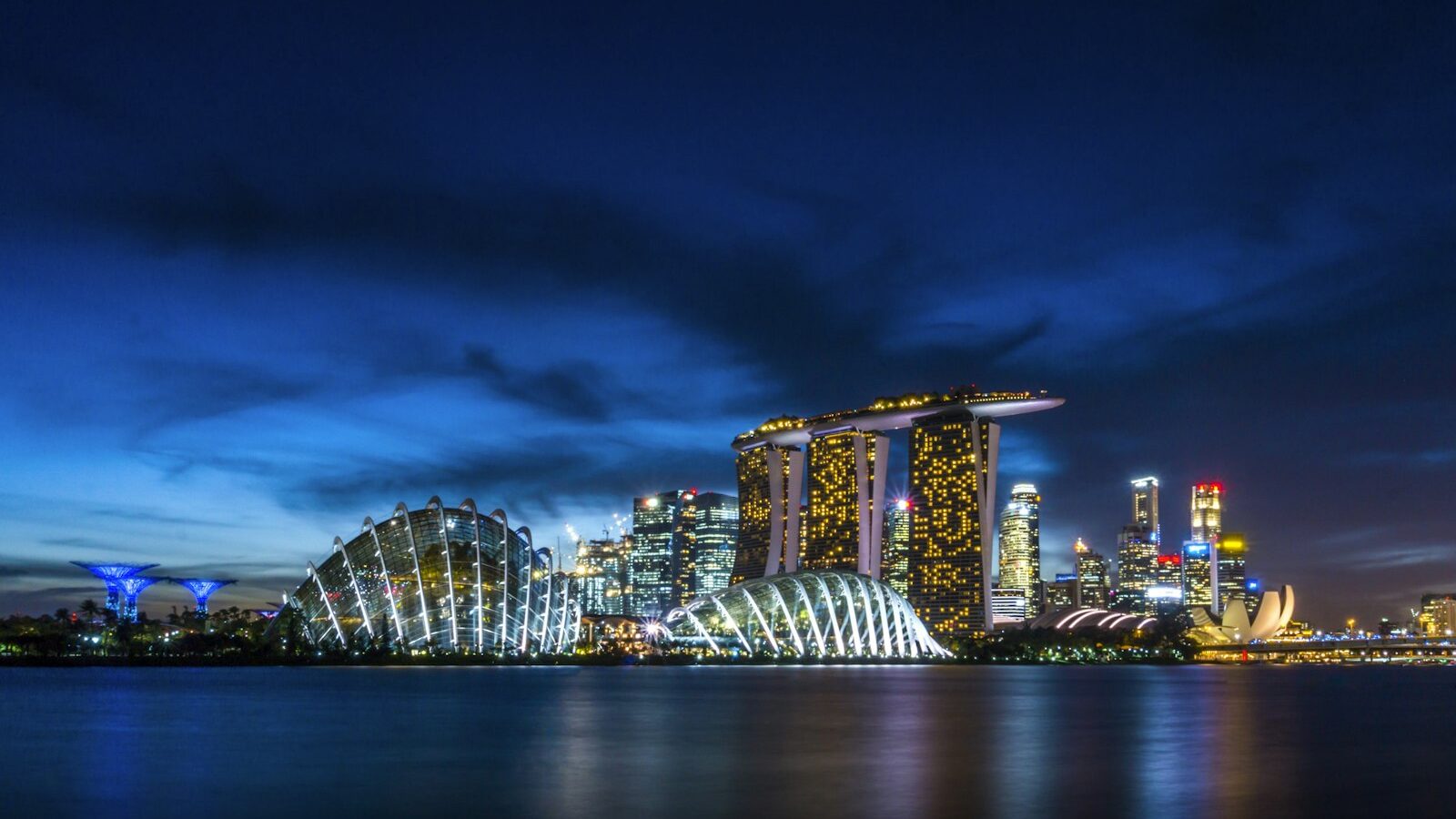
For a small island, Singapore hides an astonishing number of quiet corners that most visitors, and plenty of locals, never notice. Beyond the famous skyline and the big-ticket attractions sit the real hidden gems Singapore is quietly proud of: overgrown wartime relics, sleepy fishing villages, rooftop views that cost nothing, and museums so niche you may have the room to yourself. This guide gathers our favourite lesser-known spots across the island, with honest notes on how to reach them by MRT or bus, how to stay comfortable in the heat, and which ones are completely free.
Green escapes most people miss
Everyone knows the Botanic Gardens, but the island is stitched together with pockets of calm that rarely appear on a first-time itinerary. The Rail Corridor, a long green ribbon following the old railway line, lets you walk or cycle for kilometres under the trees, passing the beautifully restored Bukit Timah Railway Station. It is flat, shaded in stretches, and joins up neighbourhoods you would never think to link on foot.
Further north, Coney Island (Pulau Serangoon) feels wonderfully wild, with a rustic boardwalk, casuarina groves and the chance to spot herons and, if you are lucky, its resident wildlife from a respectful distance. Thomson Nature Park protects the ruins of an old Hainan village swallowed by the forest, and its trails are a favourite haunt of the shy Raffles’ banded langur. These are NParks sites, so follow posted advisories, stay on the trails, and never touch or feed the animals.
A few gentle rules make these outings far more pleasant. Because Singapore is hot and humid all year, the light and the temperature matter as much as the map:
- Start early, ideally soon after sunrise, or head out after 4pm when the heat eases.
- Carry more water than you think you need, plus a hat and sunscreen.
- Wear proper shoes for unpaved paths, and check the weather, as trails can turn slippery after rain.
- Bring insect repellent for forested reserves, and pack out whatever you bring in.
Heritage lanes and quiet neighbourhoods
Singapore’s older neighbourhoods reward slow, aimless wandering. Tiong Bahru is the obvious darling, with its curved Art Deco flats, indie bookshops and the beloved Tiong Bahru Market, but the crowds thin quickly if you drift into the back lanes. Less explored is Joo Chiat and the Katong stretch, where pastel Peranakan shophouses, intricate tiles and old bakeries make an easy afternoon on foot. Everton Park, a short walk from Outram, hides tucked-away cafes and one of the city’s most photographed shophouse murals.
For a different mood, head to the quiet estates of Kampong Glam’s edges, beyond the busy Haji Lane, where sleepy side streets and small craft studios reveal a calmer character. Most of these areas are compact and pedestrian-friendly, and the covered five-foot ways along the shophouses give you shade as you go. Best of all, wandering them costs nothing, and there is always a strong kopi or a bowl of noodles within a few steps.
Views, relics and curiosities
Some of the island’s most memorable hidden gems reward a little effort. Mount Faber and the neighbouring hills give you free panoramic views without a ticket, and the lesser-used walking trails up from Telok Blangah are gloriously quiet on a weekday. For history with an eerie edge, the old Fort Canning tunnels, hilltop spice garden and the Battlebox tell wartime stories many visitors miss entirely.
Then there are the genuine oddities. Haw Par Villa remains one of the most unusual free attractions anywhere, a garden of vivid, sometimes startling dioramas depicting Chinese mythology and its famous Ten Courts of Hell. Little museums, from teahouse collections to tiny galleries above shophouses, are scattered across the city for anyone curious enough to climb a staircase.
Here is a quick comparison to help you choose a hidden gem that suits your day:
| Hidden gem | Best for | Getting there | Cost |
|---|---|---|---|
| Rail Corridor | Long, shaded walk or cycle | Various MRT access points along the line | Free |
| Coney Island | Rustic nature and birdlife | Punggol MRT, then bus or a long walk | Free |
| Tiong Bahru back lanes | Cafes, murals, heritage flats | Tiong Bahru MRT (East West Line) | Free to browse |
| Haw Par Villa | Quirky mythology dioramas | Haw Par Villa MRT (Circle Line) | Free entry |
| Fort Canning tunnels | Wartime history and views | Fort Canning or Dhoby Ghaut MRT | Free park, paid tours |
Getting around and planning your visit
Half the joy of chasing hidden spots is the journey, and Singapore’s public transport makes it easy. Almost everywhere in this guide is reachable by MRT and a short walk or bus ride, so tap in with a contactless card, keep the app handy for bus timings, and let yourself get a little lost. For the nature sites, a bike from a sharing scheme can turn a long stretch, like the Rail Corridor or Coney Island approach, into a breezy adventure.
A few practical habits keep these outings smooth. Check whether a site is an NParks reserve with its own closing times or seasonal advisories before you set off, especially for islands and forested parks. Stack two or three nearby gems into one trip so you are not criss-crossing the island, and always keep a rain plan, since a sudden shower is part of tropical life. Above all, go gently: many of these places are quiet precisely because people treat them with care, so keep noise down, respect residents in heritage estates, and leave nothing behind.
The real charm of Singapore’s hidden gems is that they reshape how you see a city you thought you knew. Swap one famous landmark for a forgotten village trail or a rooftop view, and the island suddenly feels far larger and more surprising than its map suggests.
Explore more
If these quieter corners have you planning an early start, our guide to the best sunrise spots in Singapore pairs perfectly with a dawn walk. For the mythology-lovers, our full Haw Par Villa guide maps out every strange and wonderful corner. And if you fancy capturing these lanes and lookouts on camera, try one of our recommended photography walks in Singapore.