
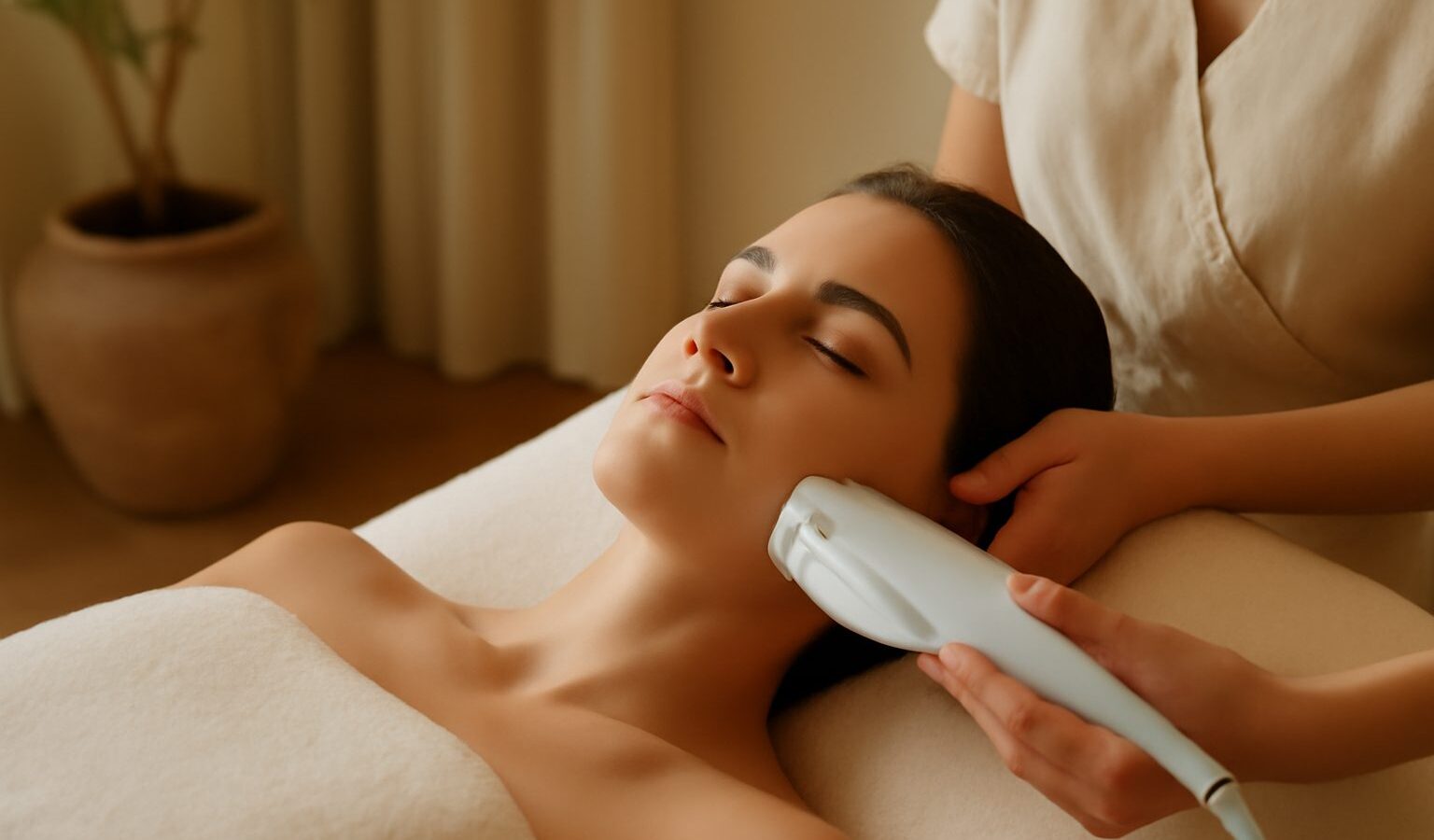
If your skin has started to feel a little looser along the jaw, cheeks or neck, you have probably seen clinics advertising HIFU skin tightening as a lunchtime way to firm things up without going under the knife. It sounds appealing, especially in Singapore’s heat where nobody wants a long recovery. This guide explains what HIFU actually does, who it suits, what the risks are, and how to choose a provider you can trust. It is general information only, not medical advice, so treat it as a starting point for a proper consultation with a qualified doctor.
What HIFU Actually Is
HIFU stands for high intensity focused ultrasound. In an aesthetic setting, a handpiece delivers focused ultrasound energy to precise depths beneath the skin, heating small points in the deeper tissue and the supporting layer that surgeons tighten during a facelift. That controlled heat triggers your body to repair the area, which over the following weeks and months encourages fresh collagen and a gradual firming or lifting effect.
Because the energy is focused below the surface, the top layer of skin is largely spared, which is why there is usually little to no visible wound. It is marketed as a non-surgical skin tightening or non-surgical facelift option, but it is important to be honest about that label. HIFU is not a facelift. It works best for mild to moderate laxity, for people who want a subtle tightening rather than a dramatic change. If there is a lot of loose skin or heavy sagging, surgery may give better results, and a good doctor will tell you so instead of overselling the machine.
How a Session Usually Goes
Every clinic runs things slightly differently, so follow the plan your doctor sets rather than a generic checklist. In broad terms, a session tends to look like this:
- A consultation where the doctor assesses your skin, discusses realistic outcomes and checks that HIFU is suitable for you.
- Cleansing of the area and application of an ultrasound gel.
- Mapping of the treatment zones, often with the device’s imaging so the energy lands at the right depth.
- Delivery of the ultrasound in lines or points across the face, jaw or neck, which can feel like brief heat or tiny prickles deep under the skin.
- Aftercare advice, including sun protection and what to expect over the coming weeks.
A face and neck treatment often takes somewhere in the region of thirty to ninety minutes. Comfort varies from person to person and depends on the settings and area, so ask beforehand how discomfort will be managed.
Results, Downtime and Realistic Expectations
The most important thing to understand is that HIFU is a slow burn, not an instant fix. You will not walk out looking lifted. Because the effect relies on your body building new collagen, most people see gradual changes over roughly two to three months, and results are subtle rather than surgical. How much you notice depends on your age, skin condition, the device used and how your own body responds. Results are also not permanent, since skin continues to age, so many people consider maintenance sessions down the line.
Downtime is usually short, which is part of the appeal. Some redness, mild swelling, tenderness or a slightly tingly feeling for a few days is common, and occasionally there can be temporary numbness or small areas of bruising. Most people return to normal activities quickly, but everyone heals differently.
To keep your expectations grounded:
- Think firming and refining, not reversing years of ageing.
- Give it time before judging the outcome.
- Be wary of any clinic promising instant or guaranteed results, or dramatic before and after transformations. Those claims are red flags.
- Protect your investment with daily sunscreen, since sun exposure ages skin and undoes good work, and reapply through Singapore’s bright, humid days.
HIFU Compared With Other Skin Tightening Options
HIFU is one of several ways clinics approach skin laxity, and the right choice depends entirely on your skin and your goals. The table below is a simple orientation, not a recommendation. Only a qualified doctor can tell you which, if any, suits you.
| Approach | How it works | Best thought of as | Key point |
|---|---|---|---|
| HIFU (ultrasound) | Focused ultrasound heats deeper layers to stimulate collagen | Subtle non-surgical firming | Gradual results over months, mild laxity |
| Radiofrequency devices | Radio waves heat the skin to encourage collagen | Gentle tightening, often in courses | Usually needs several sessions |
| Injectable skinboosters or fillers | Product placed in the skin to hydrate or restore volume | Volume and glow, not lifting tissue | A different tool for a different concern |
| Surgical facelift | A surgeon removes and repositions tissue | The most dramatic, lasting lift | Real surgery, real recovery and risk |
Reading this, notice that these are not interchangeable. A consultation exists precisely so a professional can match the method to your face rather than to whatever a promotion is pushing that month.
Risks, Safety and Who Should Be Careful
HIFU is generally considered a lower risk treatment when done properly, but it is still a regulated aesthetic procedure that delivers real energy into your tissue, so it is not risk free. Possible issues include redness, swelling, bruising, tenderness, temporary numbness or tingling, and, uncommonly, effects on the nerves such as short lived muscle weakness in the treated area. Very rarely, incorrect technique or settings can cause burns or uneven results. This is exactly why the person holding the device matters so much.
Some people should avoid HIFU or check carefully first. If you are pregnant or breastfeeding, have active infections, wounds or severe acne in the area, certain skin conditions, or metal implants or electronic devices near the treatment zone, tell the doctor. HIFU does not treat or cure any medical condition, and it is not a solution for significant sagging. If you notice a new or changing lump, mole or skin lesion, see a doctor about that first rather than treating over it.
Choosing a Provider in Singapore
The single biggest factor in a safe, sensible outcome is who treats you. In Singapore, aesthetic treatments like HIFU should be carried out by a qualified, MOH-registered doctor, or an appropriately trained and supervised practitioner, at a proper licensed clinic. Cheap deals from unregulated providers, home-based setups or unbranded machines are where things go wrong, and a bargain is no bargain if it leaves you burned or scarred.
Before you book, it is fair to ask:
- Who will perform the treatment, and what are their qualifications and experience with HIFU?
- Is this a proper, licensed clinic with a registered doctor overseeing care?
- What device is being used, and is it suited to my concern?
- What results are realistic for me, and what are the risks and possible side effects?
- What does aftercare involve, and who do I contact if something does not feel right?
A trustworthy clinic will welcome these questions, give honest answers, and sometimes tell you that you are not a good candidate. Walk away from hard selling, pressure to sign a package on the spot, or promises that sound too good to be true.
The Honest Bottom Line
HIFU skin tightening can be a reasonable option for subtle, non-surgical firming of mild to moderate laxity, with little downtime, provided you have realistic expectations and go to the right hands. It will not replace a facelift, work overnight or last forever. Pair any treatment with the basics that genuinely protect your skin, including daily sunscreen, gentle care and healthy habits suited to our climate. Most importantly, book a consultation with a qualified doctor who can assess your skin in person, explain the risks, and help you decide whether HIFU makes sense for you at all.