
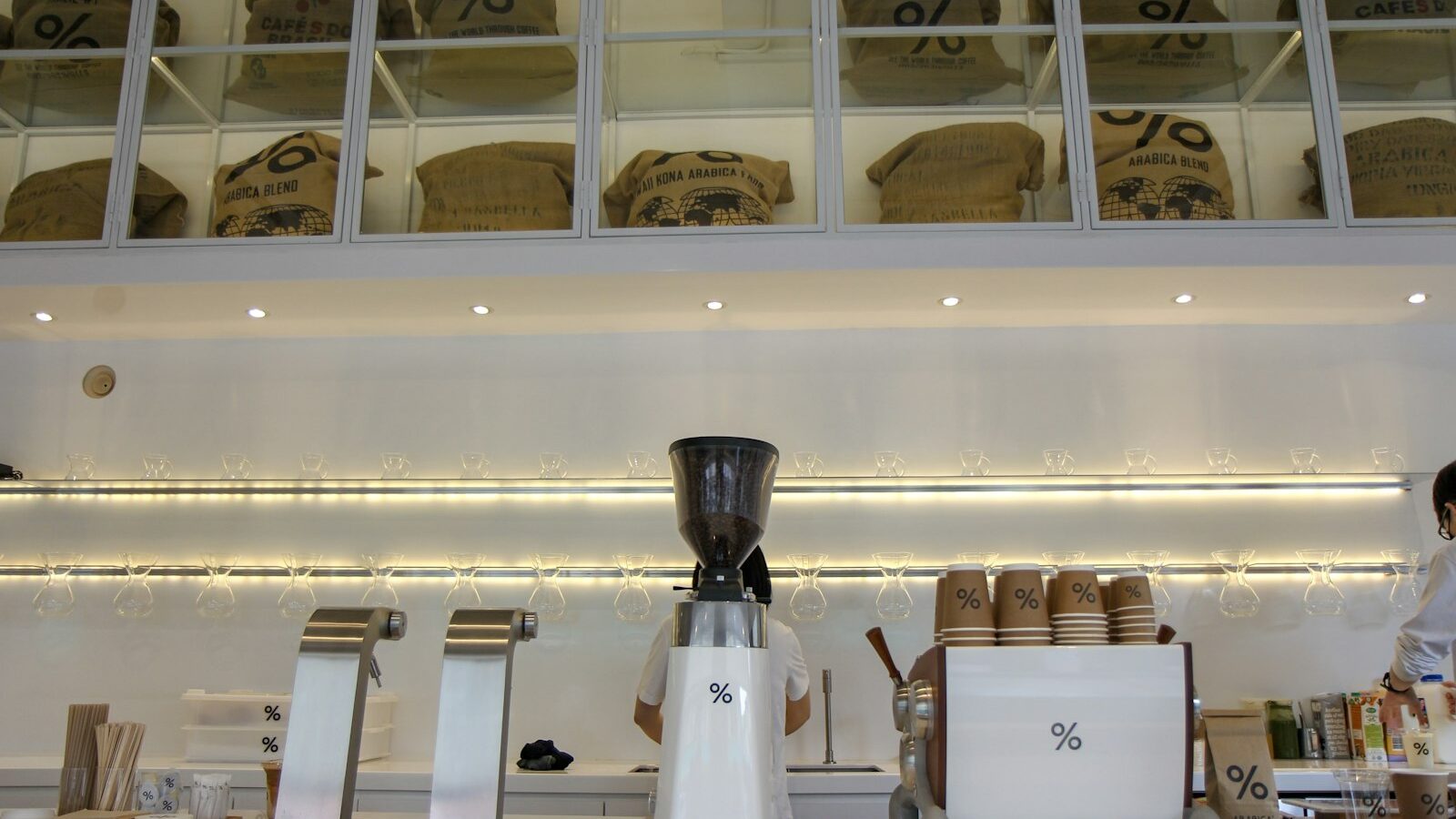
There is a small daily magic in brewing a cup you made yourself, dialling in the grind, watching the bloom rise, and tasting the difference a little care makes. Home coffee brewing in Singapore is one of the most accessible hobbies going: you can start for the price of a few kopi at the coffee shop, no espresso machine required. If you already drink coffee, you are halfway there.
This is a hobby that rewards curiosity rather than deep pockets. A simple manual brewer and some fresh beans will out-perform a lot of expensive kit, and every cup is a chance to learn something. Let us lower the barrier and get you brewing something you are proud of this weekend.
Why Home Coffee Brewing Makes a Great Hobby
Coffee brewing suits Singapore life beautifully. It needs almost no space, which matters in an HDB flat. It fits into a morning routine you already have, so the hobby pays you back every single day. And it scales with your interest: you can happily stop at one good pour-over method, or fall down the rabbit hole of origins, roasts and brew ratios.
It is also a sociable, sensory hobby. Tasting how a bean from one farm differs from another trains your palate in a way that is genuinely fun. And unlike hobbies that sit in a cupboard, this one becomes part of daily life, turning a rushed instant coffee into a small ritual worth getting up for.
What You Need to Start Brewing at Home
You need surprisingly little, and you certainly do not need an espresso machine. Here is an honest beginner kit.
- A manual brewer. A pour-over dripper, a French press, or an AeroPress-style immersion brewer are all cheap, forgiving and excellent for learning. Any one of them is a fine starting point.
- A grinder. This is the tool worth prioritising. Fresh-ground beans taste dramatically better than pre-ground. A modest hand grinder is affordable and does the job well for one or two cups.
- A basic scale. Weighing your coffee and water in grams is the single biggest upgrade to consistency. A cheap kitchen scale is fine to start.
- A kettle. Any kettle works at first. A gooseneck kettle gives more control for pour-over later, but it is not essential on day one.
- Fresh beans and filters. Whole beans from a local roaster, plus paper filters if your brewer needs them.
Notice what is missing: no machine, no milk frother, no gadgets. Buy a grinder and some fresh beans before anything else, and let the hobby tell you what to add next.
Getting Started With Your First Brews
The best first method is whichever feels least fussy to you. Immersion brewers like a French press or AeroPress-style device are the most forgiving, because timing matters more than technique. Pour-over gives you more control and a cleaner cup, but takes a little practice to pour steadily.
A simple starting recipe for most manual methods is a ratio of roughly 1 part coffee to 15 to 17 parts water by weight, adjusted to taste. Use water just off the boil, aim for a medium grind to begin, and time your brew so you can repeat what works. If the cup tastes sour and thin, grind a little finer or brew a little longer; if it tastes bitter and harsh, grind coarser or brew shorter. Change one thing at a time, and keep notes. That simple habit turns guesswork into steady improvement.
Choosing Your Starting Setup
Different setups suit different budgets, spaces and levels of interest. Use this as a rough guide, and always check the retailer for current prices, as gear and beans vary.
| Setup | Best for | Rough cost band | What to know |
|---|---|---|---|
| French press or immersion brewer plus pre-ground beans | Total beginners testing the waters | Low | Cheapest way in; fresh grinding comes later |
| Pour-over dripper plus a hand grinder | Beginners wanting a cleaner, tastier cup | Low to mid | Grinder makes the biggest difference to quality |
| Full manual kit with gooseneck kettle and scale | Committed hobbyists chasing consistency | Mid | More control and repeatability across brews |
| Home espresso setup | Enthusiasts who want cafe-style drinks | Mid to premium | Steeper learning curve, more space and upkeep |
Starting cheap is not a compromise. A humble pour-over and a hand grinder can make a cup that beats many a machine, so there is no rush to spend big.
Where to Buy Beans and Gear in Singapore
Singapore has a thriving specialty coffee scene, so fresh beans and good gear are easy to find.
For beans, local specialty roasters across the island sell whole beans with a roast date on the bag, which is the freshness marker to look for. Many run cafes where you can taste before you buy and ask staff for a bean that suits your brew method. Buying direct from roasters online, with delivery, is convenient and keeps beans fresh. Supermarkets stock beans too, though a local roaster is usually fresher and more interesting for a hobbyist.
For gear, home-brewing equipment shops and the roasters themselves stock drippers, grinders, filters, scales and kettles, and many sell online. Daiso and general homeware shops carry cheap kettles, jugs, storage jars and measuring tools to start with. If you enjoy browsing, some cafes double as gear shops. When comparing, ask staff to recommend a beginner-friendly grinder, since it is the part that most affects your cup.
For learning, some roasters and cafes run home-brewing workshops and cupping sessions, a fun and low-pressure way to build skills and taste widely. Online, there is a wealth of free brew guides and videos from trusted sources to follow along with.
Storing Beans and Brewing in a Humid Climate
Singapore’s heat and humidity are the enemy of fresh coffee, so storage matters more here than in cooler places. Buy beans in amounts you will finish within two to four weeks of the roast date, since coffee stales fastest once it is roasted, and faster still once ground. Grind just before brewing wherever you can.
Store beans in an airtight, opaque container away from heat, light and moisture, ideally in a cool cupboard rather than next to the stove or a sunny window. Do not keep beans in the fridge, where damp and food smells creep in; the freezer can work for long-term storage only if beans are sealed truly airtight, and you brew them without repeatedly thawing and refreezing. Keep filters and grinders dry, as the humidity can make paper filters clump and leave residue that turns rancid, so rinse and dry equipment after use.
Food Hygiene and Small Wins
Coffee brewing is low risk, but clean kit makes better coffee. Rinse your brewer, grinder and cups after each use, since old coffee oils go rancid and taint fresh brews, especially in warm weather. Descale kettles occasionally, use fresh, clean water, and let equipment dry fully to discourage mould in the damp. This is general guidance, not dietary advice, so adjust caffeine intake to what suits you.
Most of all, enjoy the learning. Your first few cups may be too sour or too bitter, and that is exactly how everyone starts. Keep tweaking one variable at a time, celebrate the morning it finally clicks, and share a cup with someone. Brew something better than yesterday this weekend, and let the ritual grow on you.
Explore more
If brewing your own coffee has you keen to explore other home-craft hobbies, there is more to enjoy. Slow down further with tea appreciation as a hobby, or get your hands floury with our guide to baking as a hobby for beginners. For an evening twist, try getting into home bartending and cocktails.