
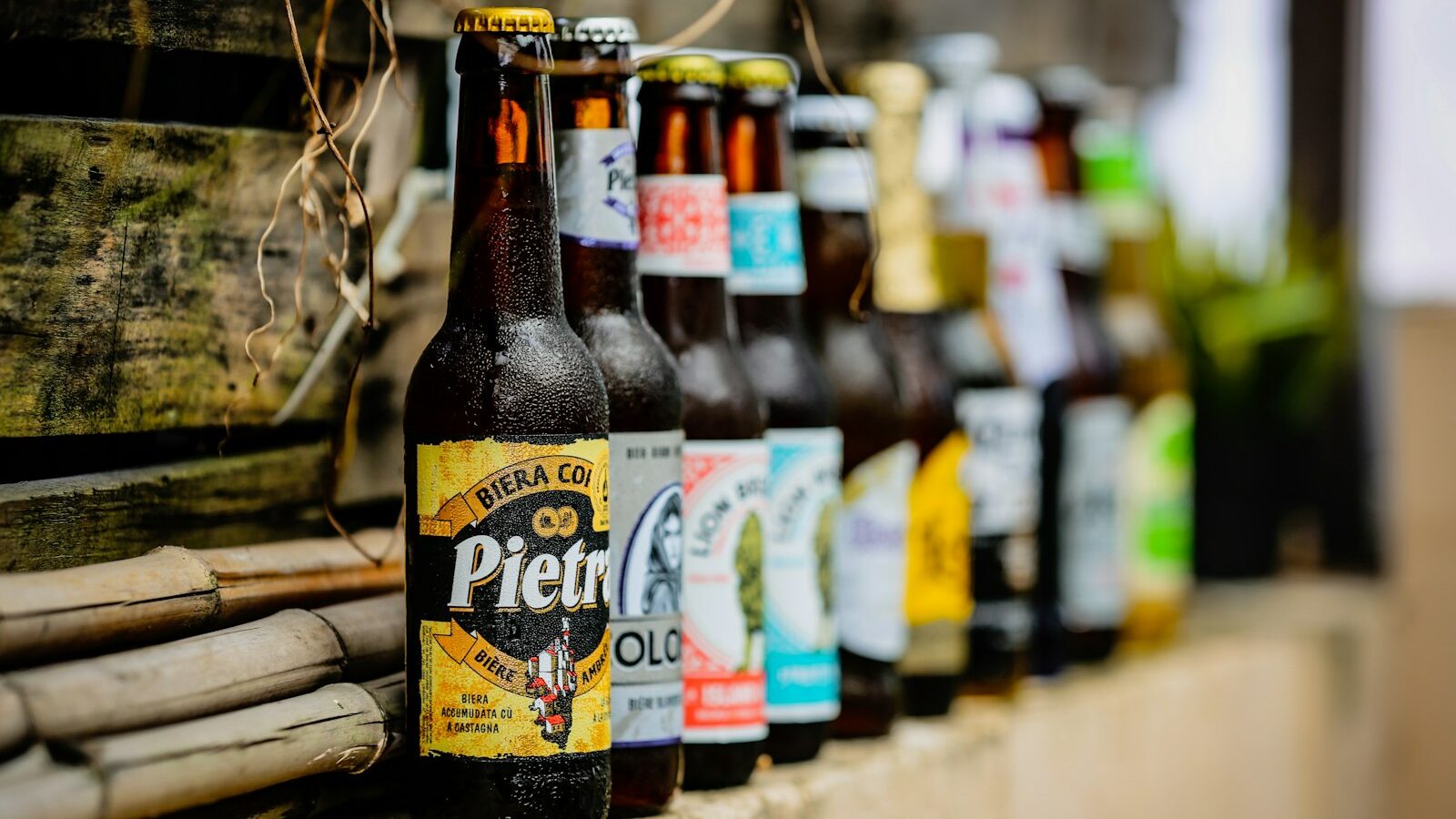
There is something quietly satisfying about pouring a glass of beer you made yourself. Home beer brewing has become one of Singapore’s most approachable food hobbies, and you honestly do not need a garage or an expensive setup to begin. With a clean bucket, a few basic ingredients and a bit of patience, you can turn water and grain into a drinkable brew in a matter of weeks. This guide walks absolute beginners through what home beer brewing involves, what it really costs, how to stay safe and legal, and where to find fellow brewers once the bug bites.
What Home Brewing Actually Involves
At its heart, brewing is controlled fermentation. Yeast eats the sugars from malted barley and, over several days, converts them into alcohol and carbon dioxide, picking up flavour from hops and the grain along the way. As a home brewer you are really just guiding that natural process and keeping everything clean.
A typical batch follows the same rhythm every time:
- Extract the sugars. You either steep grains and add malt extract, or (later on) mash your own grain in hot water.
- Boil with hops. Hops add bitterness and aroma and help preserve the beer.
- Cool the liquid. The unfermented liquid, called wort, must come down to a yeast-friendly temperature.
- Ferment. You add yeast and seal the vessel with an airlock, then wait one to two weeks.
- Bottle and condition. You add a little sugar, bottle the beer, and let it carbonate for another week or two.
From brew day to first glass, expect three to four weeks. The active work is only a few hours; the rest is patient waiting.
What You Need to Get Started
You can begin with a simple beginner kit and add gear as your interest grows. Rather than chasing brands, look for these generic essentials:
- A fermentation vessel (a food-grade bucket or demijohn) with a lid and an airlock
- A large pot for boiling, ideally holding several litres
- A no-rinse sanitiser to keep everything clean
- A thermometer and a hydrometer (to measure sugar levels and estimate alcohol)
- A siphon or tap for transferring beer without splashing
- Bottles with caps and a capper, or reusable swing-top bottles
- Ingredients: malt extract or an all-in-one beginner kit, hops, and brewing yeast
Beginner kits that include a can of pre-hopped malt extract are the gentlest entry point, because much of the recipe is done for you. Like other food hobbies such as tea blending at home, you can start small and simple, then layer in complexity as your confidence builds.
Choosing a Brewing Method
Not all brewing is equal in effort or flexibility. Most people start easy and work their way up as space and interest allow. Here is how the common approaches compare.
| Method | Effort and gear | Control over recipe | Good for |
|---|---|---|---|
| Kit or extract | Low; minimal equipment | Limited, recipe mostly set | Total beginners and small flats |
| Partial mash | Moderate; a grain bag and bigger pot | Decent; tweak flavour and body | Brewers ready for a step up |
| All-grain | High; larger vessels and longer days | Full control over every element | Committed hobbyists with space |
There is no shame in staying on extract brewing for years. Plenty of people make excellent beer that way and never feel the need to buy more equipment.
Your First Batch, Step by Step
For your very first brew, keep it simple and follow the kit instructions closely. A rough run-through looks like this:
- Sanitise everything that will touch the cooled wort. This is the single most important habit in brewing.
- Heat water and dissolve your malt extract, adding hops on the schedule your recipe gives.
- Cool the wort quickly, either in an ice bath or by topping up with cool boiled water.
- Transfer to your fermenter, top up to the target volume, and take a hydrometer reading.
- Pitch the yeast, seal with the airlock, and store somewhere cool and dark.
- Wait until fermentation slows and your readings hold steady for two days.
- Bottle with a measured priming sugar, then let the bottles condition before chilling and tasting.
Resist the urge to peek and fiddle. Beer rewards patience more than intervention.
Cost, Space and the HDB Reality
Home brewing suits flat living better than you might expect. A fermenting bucket takes up about the same room as a tall kitchen bin, and it only needs a quiet, cool corner. The bigger challenges in Singapore are heat and storage.
- Temperature matters most. Our tropical warmth pushes yeast to ferment too fast, which can create harsh, solvent-like flavours. Brew in an air-conditioned room, or pick yeast strains that tolerate warmth.
- Smell is mild but real. Brew day carries a bready, hoppy aroma, and fermentation gives off a faint yeasty smell. Good ventilation and a considerate window towards your neighbours go a long way.
- Bottles add up. A single batch can fill dozens of bottles, so you will want a shelf or cupboard to store and condition them safely.
Costs are modest to start and scale with ambition. Rather than quote figures that quickly date, budget for a one-off starter kit and then a smaller recurring spend on ingredients per batch. Check current prices at local homebrew suppliers before you commit.
Common Mistakes Beginners Make
Most first-batch disappointments trace back to a handful of avoidable slips:
- Poor sanitation. Wild bacteria and stray yeast cause off-flavours. When in doubt, sanitise again.
- Fermenting too warm. The most common tropical mistake. Keep your fermenter cool and stable.
- Impatience. Bottling before fermentation finishes, or drinking before conditioning, leads to flat or fizzy, yeasty beer.
- Over-priming. Adding too much sugar at bottling can over-carbonate and, in rare cases, burst a bottle. Measure carefully and store bottles somewhere a stray break would not cause harm.
- Skipping readings. A hydrometer tells you when fermentation is truly done. Guessing rarely ends well.
Brewing Safely and Legally in Singapore
Home brewing is a hobby for adults aged 18 and over, and it is meant for personal consumption only. A few points to take seriously:
- You may not sell home-brewed alcohol without the proper licence. If you ever want to go commercial, defer to Singapore Customs and the relevant authorities on duties and permits before selling a single bottle.
- Drink responsibly and never share home brew with anyone under the legal drinking age.
- Guard against bottle bombs. Use bottles rated for carbonation, prime accurately, and store conditioning bottles in a box or cupboard, out of reach of children.
- Mind food hygiene. Sanitise thoroughly and discard any batch that smells foul, grows mould, or otherwise seems off.
If your hobby ever grows into a genuine business, that is a different world with real obligations. This is general information, not financial or business advice, so register with ACRA and check your tax position with IRAS before treating brewing as income.
Where to Learn and Find Community
You are not brewing alone. Singapore has a friendly homebrewing scene, and the learning curve flattens fast with a bit of company.
- Homebrew supply shops often run beginner sessions and give honest advice on gear and ingredients.
- Online forums and local interest groups are generous with troubleshooting when a batch goes sideways.
- Casual meetups and bottle shares let you taste widely and pick up techniques from more experienced brewers.
Once you catch the fermentation bug, you may find yourself curious about other hands-on food projects, from the funky world of making your own hot sauce to the precision of sushi making at home. Brewing has a way of turning your whole kitchen into a playground. Start clean, stay patient, and enjoy that first proper glass. You earned it.