
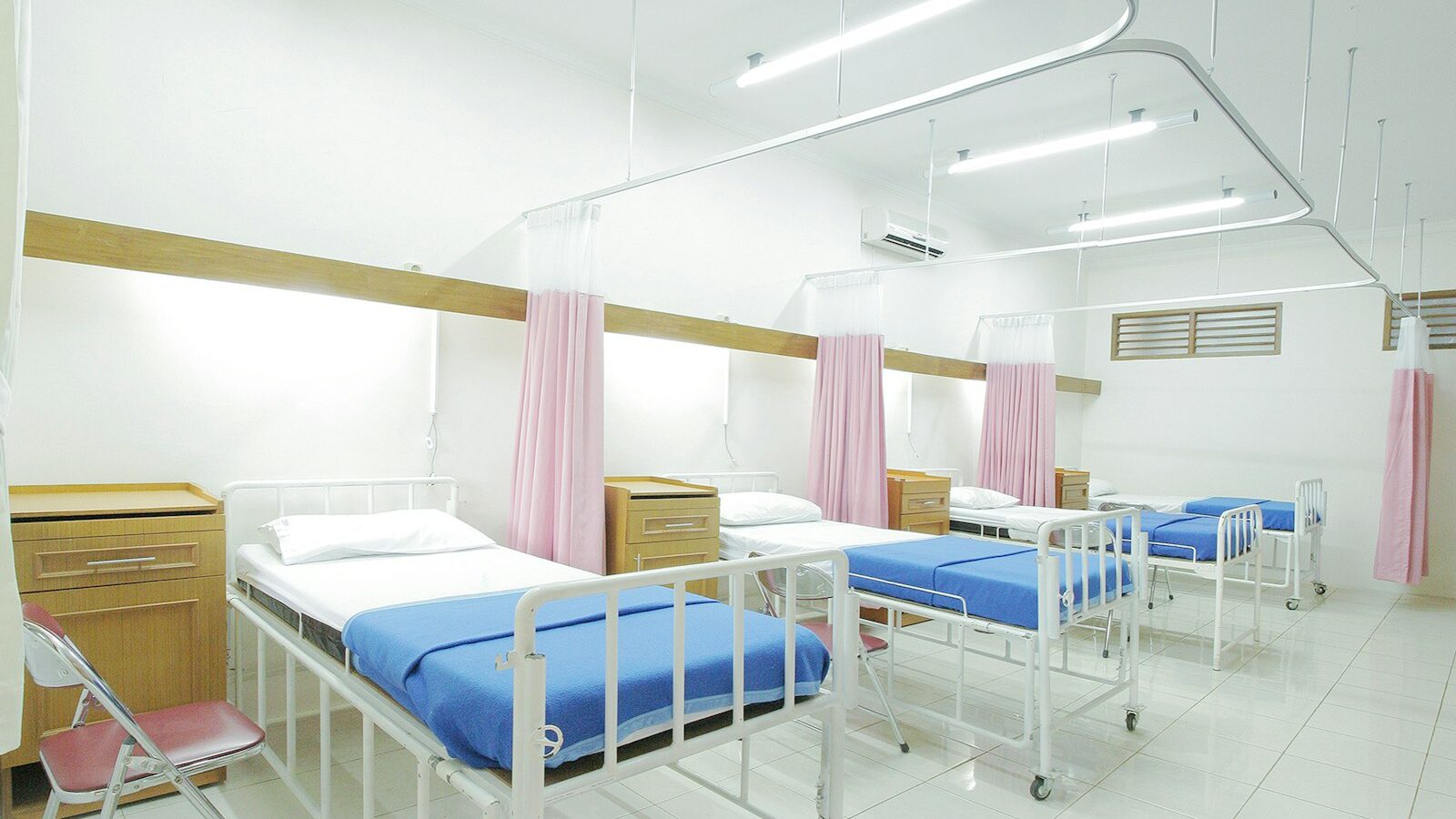
When you picture the cost of a hospital stay, you probably think of the medical bill itself. Yet a stay in hospital brings other costs too, and this is where a hospital cash plan singapore residents sometimes ask about comes in. Rather than paying your medical bill directly, this type of cover pays you a fixed sum for each day you spend in hospital. This article explains how these plans work, what they are good for, and, just as importantly, what they are not. It is general information only and not financial, insurance, or medical advice, so please speak to a MAS-licensed financial adviser or your insurer before deciding anything.
How a Hospital Cash Plan Works
A hospital cash plan is refreshingly simple in concept. For every day you are warded, the policy pays you a set cash amount. The payout does not depend on the size of your medical bill. It is a flat daily sum, agreed when you take out the plan, and paid to you rather than to the hospital.
Because the money comes to you, you can spend it on whatever you need. That might be topping up income lost while you cannot work, paying for a helper or childcare at home, covering transport for family visiting you, or simply easing the everyday bills that keep arriving even when you are unwell. The plan does not care how you use it.
Many plans pay a higher daily amount for time spent in an intensive care unit, reflecting the more serious nature of that care. There are usually limits, such as a maximum number of days paid per stay or per policy year, and often a cap on the total across the life of the policy. Some plans also have a short waiting period at the start, or exclude conditions you already had before signing up. These details vary from insurer to insurer, so read them carefully.
Here is a simplified, hypothetical illustration to show the shape of a claim. The figures are rounded and invented purely as an example. They are not quotes, real payouts, or promises of any kind.
| Situation | Days in hospital | Assumed daily benefit | Illustrative payout |
|---|---|---|---|
| Short general ward stay | 3 | 100 | 300 |
| Longer general ward stay | 7 | 100 | 700 |
| Stay including ICU days | 5 | 200 | 1,000 |
Notice that the payout is driven by the number of days and the agreed daily benefit, not by the actual hospital charges. That is the defining feature of this kind of cover.
What a Hospital Cash Plan Is Not
This is the most important part of the article, so it is worth stating plainly. A hospital cash plan is a supplement, not a replacement for proper medical insurance. It does not pay your hospital bill. It hands you a modest fixed sum per day, which will usually fall far short of the real cost of surgery, treatment, or a long stay.
Your main line of defence against large medical bills in Singapore comes from elsewhere. MediShield Life, the national health insurance scheme, provides basic cover for large hospital bills, particularly in the lower ward classes. Many people add an Integrated Shield Plan on top for wider cover, including higher ward classes or private hospitals. MediSave, your CPF medical savings, can also help pay certain approved expenses. These are the tools designed to meet the bill itself.
A hospital cash plan sits alongside those, filling a different gap. It helps with the knock-on costs of being unwell rather than the medical charges. Treating it as your primary medical cover would be a serious mistake, because it was never built for that job.
Is a Hospital Cash Plan Worth It for You
Whether this cover makes sense depends on your circumstances. If a spell in hospital would cut off income you rely on, or create real household costs while you recover, the daily cash could bring genuine peace of mind. Self-employed people, or those without generous sick leave, sometimes find the extra buffer reassuring.
On the other hand, if you already have strong medical cover, healthy savings, and an employer who supports you during illness, the marginal benefit may be smaller. Every dollar of premium is a dollar you could direct elsewhere, so it is fair to ask whether this particular plan earns its place in your budget.
A few practical points help you judge. Check the daily benefit against what you would realistically lose or spend per day. Look at the maximum days payable, since a plan that stops paying after a short cap may not stretch across a long illness. Understand any waiting period and any exclusions for pre-existing conditions. And be clear that this cover complements, rather than substitutes for, MediShield Life and any Integrated Shield Plan you hold.
Before committing, review your overall protection as a whole rather than buying policies piece by piece. A licensed adviser can help you see where the real gaps are, and whether a hospital cash plan is the most useful way to fill them for your situation.
The Takeaway
A hospital cash plan pays a fixed daily sum while you are warded, giving you flexible money to cushion the costs of being unwell. It is genuinely useful as a supplement, especially if a hospital stay would hit your income or add household expenses. What it is not, and never will be, is a stand-in for medical insurance. Lean on MediShield Life, any Integrated Shield Plan, and MediSave for the bill itself, verify the details with the CPF Board and your insurer, and treat the figures here as illustration only. As always, a MAS-licensed adviser can help you match cover to your real needs.
Explore more
Health Insurance and Integrated Shield Plans
Types of Insurance
Insurance Basics in Singapore
Reviewing Your Insurance