
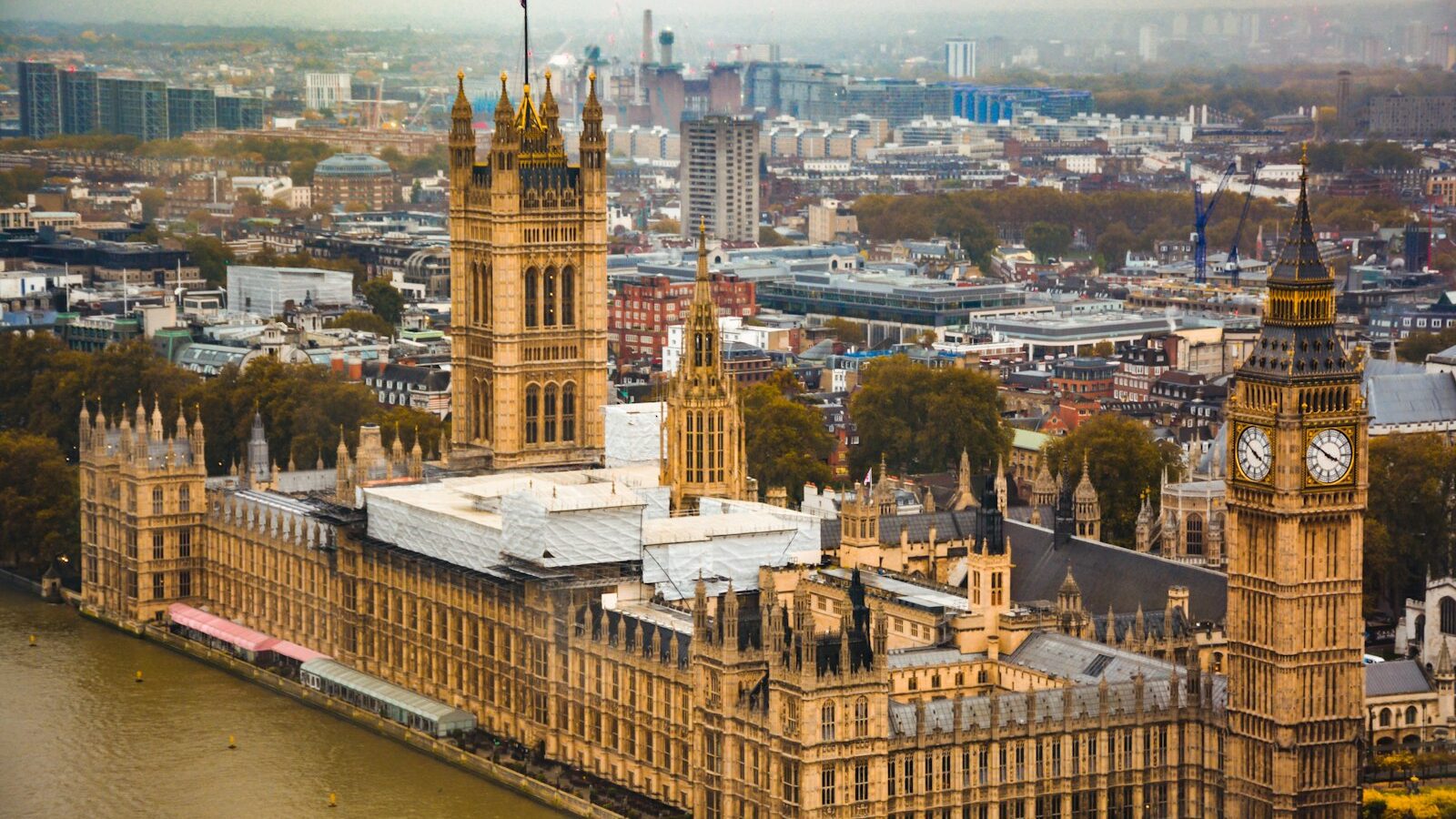
Parliament is the legislature of Singapore and a central institution of its governance. This explainer covers Parliament’s role, how laws are made, the members of Parliament, and why it matters. This is a general overview of the institution and its functions.
The role of Parliament
Parliament is the legislature of Singapore, the branch of government responsible for making laws and playing a central role in the nation’s governance. As the legislative body, Parliament debates and passes legislation, scrutinises government policy and spending, including the Budget, and serves as a forum for representing and raising the concerns of the people. Parliament is a key institution in Singapore’s system of government, part of the framework of governance alongside the executive and judiciary. Its functions, from law-making to scrutiny and representation, are central to how the nation is governed. Understanding the role of Parliament illuminates a core institution of Singapore’s governance and the democratic and legislative processes through which laws are made and government is held to account and scrutinised.
How laws are made
| Stage | Broadly |
|---|---|
| Introduction | A bill is introduced |
| Debate and readings | The bill is debated in stages |
| Passage | Parliament votes on the bill |
| Assent | The bill becomes law |
Laws in Singapore are made through a legislative process in Parliament. Broadly, a proposed law, known as a bill, is introduced in Parliament, then debated and considered through a series of stages or readings, during which members discuss and scrutinise its provisions. Parliament then votes on the bill, and if passed, it proceeds to receive assent and becomes law. This process ensures that legislation is debated, scrutinised and formally approved through the proper channels before taking effect. The legislative process is a core function of Parliament and central to how the nation’s laws are made. Understanding how laws are made illuminates the role of Parliament in the legislative process and the stages through which proposed laws are debated, scrutinised and enacted, reflecting the deliberative nature of law-making.
The members of Parliament
Parliament is composed of members who represent constituencies and participate in its functions. Members of Parliament (MPs) are typically elected by voters to represent their constituencies, serving as the link between the people and the legislature, raising concerns, and participating in debates and law-making. Singapore’s parliamentary system also includes certain other categories of members designed to bring additional perspectives and representation into Parliament. Members participate in debating and passing legislation, scrutinising government, and representing their constituents. The composition of Parliament reflects the system of representation through which the people’s voices are brought into the legislature. Understanding the members of Parliament illuminates who makes up the legislature, how the people are represented, and the roles members play in law-making, scrutiny and representation within Singapore’s system of government.
Parliament and government
Parliament is one part of Singapore’s system of government, which also includes the executive and the judiciary. The government, drawn from the elected members, forms the executive that runs the country and proposes policies and legislation, while Parliament as a whole debates and passes laws and scrutinises the government. This relationship reflects the parliamentary system, in which the executive is accountable to Parliament, and Parliament serves both to enact the government’s legislative agenda and to scrutinise and hold it to account. The judiciary, meanwhile, independently administers justice. Understanding how Parliament fits within the broader system of government illuminates the roles and relationships among the branches, and the checks, scrutiny and processes through which the nation is governed. Parliament’s role in law-making and scrutiny is central to this system of governance.
Why it matters
Parliament matters because it is a central institution of Singapore’s governance, responsible for making the laws that govern society, scrutinising government policy and spending, and representing the people. The laws passed by Parliament affect everyday life, from personal conduct to commerce and society. Parliament’s scrutiny of government helps hold it to account, and its role in representation brings the people’s concerns into governance. Understanding how Parliament works fosters informed awareness of how the nation is governed, how laws are made, and how citizens are represented, which is valuable for engaged, informed citizenship. For citizens, understanding Parliament and participating in the democratic process, such as through voting, is part of engaging with the governance of the nation. Parliament is thus a core institution worth understanding.
The takeaway
Parliament is the legislature of Singapore and a central institution of its governance, responsible for making laws, scrutinising government policy and spending, and representing the people. Laws are made through a legislative process of introduction, debate and readings, passage and assent, ensuring legislation is scrutinised and formally approved. Parliament is composed of members who represent constituencies and participate in its functions, and it forms part of the broader system of government alongside the executive and judiciary. Understanding how Parliament works fosters informed awareness of how the nation is governed, how laws are made, and how citizens are represented, which is valuable for engaged, informed citizenship and understanding of Singapore’s system of government.
The different types of Members of Parliament
While most members are elected to represent geographical constituencies, Singapore’s Parliament deliberately includes several categories of members so that a wider range of views is heard. Knowing the difference helps make sense of who is speaking in the chamber and the capacity in which they do so.
- Elected MPs: The majority of members, voted in at a general election. Some represent Single Member Constituencies (SMCs), where one MP is elected, while others are elected as a team in Group Representation Constituencies (GRCs), an arrangement intended to ensure minority community representation.
- Non-Constituency MPs (NCMPs): A mechanism that brings a number of the best-performing losing opposition candidates into Parliament, so that there is a minimum level of opposition representation even when the governing party wins most seats.
- Nominated MPs (NMPs): Members appointed rather than elected, drawn from various fields and professions to offer independent, non-partisan perspectives on issues before the House.
Presiding over sittings is the Speaker of Parliament, who chairs debates and maintains order but does not represent the government of the day in a partisan sense. Different categories of members may have differing entitlements when it comes to voting on certain matters, so the exact rules can vary. For the current composition, the precise number of members, and the up-to-date rules governing each category, the authoritative source is the Parliament of Singapore, whose official website sets out these details.
How you can engage with Parliament
Parliament is not a closed institution, and there are several practical ways for members of the public in Singapore to follow its work or make their views known. Engaging with the process is a straightforward part of informed citizenship, and none of it requires special standing or expertise.
- Follow the proceedings: Parliamentary sittings are open to the public, and debates on major issues and the Budget are commonly reported by the local media and broadcast, so you can watch or read about them as they happen.
- Raise concerns with your MP: Many MPs hold regular Meet-the-People Sessions in their constituencies, where residents can seek help with personal or municipal matters and flag issues they would like raised.
- Submit a public petition: There is a formal route by which a petition can be presented to Parliament through an MP, subject to the established rules and format.
- Read the official record: The record of debates, known as the Hansard, together with information on bills and sitting dates, is published for anyone who wants to see exactly what was said and decided.
Because procedures, sitting schedules and the requirements for petitions can change, it is best to check the Parliament of Singapore’s official channels for current details before acting. Taking even a passing interest in what Parliament debates, and voting when the opportunity arises, is one of the most direct ways that residents connect with how the country is run.
Explore more: The role of the President of Singapore · Singapore’s legal system explained · Town councils in Singapore explained