
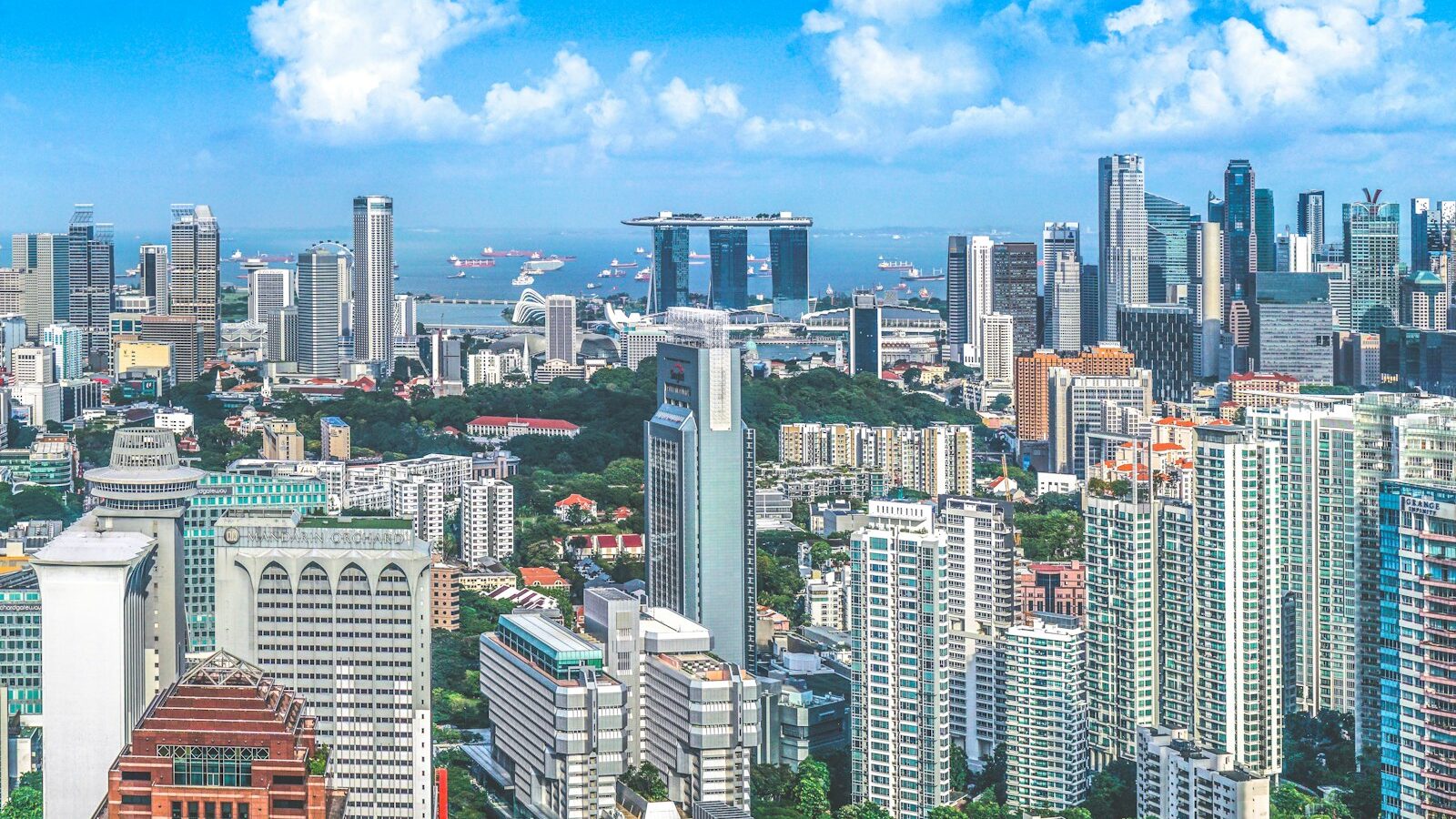
One of the first small puzzles for a newcomer from mainland China is what to call people. Back home you might say shifu to a driver, xiaojie or shuaige to a stranger, or lean on family titles for neighbours. Knowing how to address people in Singapore takes a slightly different set of habits, mixing Chinese, Malay, Indian and English customs into one friendly local style. Get it roughly right and you instantly sound warmer and more settled. This guide walks through the everyday titles, the way local names are built across communities, and the small courtesies that make a good first impression at the coffee shop, the office and your neighbour’s door.
Uncle and Auntie: The Local Superpowers
The two most useful words you will learn are “uncle” and “auntie”. In Singapore these are not limited to relatives. They are warm, respectful terms for any older person, roughly the way you might use shushu or ayi in China. The hawker frying your noodles, the taxi driver, the cleaner at the food court, the older neighbour in the lift, all can be an uncle or an auntie.
- Use them for anyone clearly older than you, especially in casual settings like hawker centres, wet markets and shops.
- They work across race. A Malay stall holder and an Indian shopkeeper are just as likely to be “uncle” or “auntie” as a Chinese one.
- Tone matters more than precision. Said with a smile, it reads as friendly. If someone looks close to your own age, a simple “hi” or “excuse me” is safer than guessing.
There is even a gentle joke locally about not wanting to be called “auntie” or “uncle” too soon, so with people around your own age, skip it and just be polite.
Titles at Work and in Formal Settings
The office is more like what you may expect, but with a lighter touch than many mainland workplaces. Singaporeans often go by first names or English names, even with people more senior. You will meet plenty of colleagues who introduce themselves as Jane or Kevin alongside their Chinese names.
- In professional or first meetings, “Mr”, “Ms”, “Madam” or “Dr” with the surname is safe until you are invited to use a first name.
- Many locals will quickly say “just call me by my name”, and it is fine to follow their lead.
- Titles like “Sir” and “Madam” appear in service and government settings and are polite, not stiff.
- Avoid importing heavy hierarchy. Over formal address can feel distant here, where a friendly, even footing is the norm.
Reading Singapore Names Across Communities
Names in Singapore are built differently across the main communities, and misreading them is a common newcomer slip. The table below is a quick orientation. Treat it as a general guide, since families vary and many people also carry an English name.
| Community | Typical pattern | Example structure | How to address |
|---|---|---|---|
| Chinese | Surname first, then given name | Tan Wei Ming | Mr Tan, or Wei Ming |
| Malay | Given name, then “bin” (son of) or “binte/binti” (daughter of), then father’s name | Ahmad bin Ismail | Mr Ahmad, or Ahmad |
| Indian (many Tamil) | Given name, sometimes with an initial for the father’s name | S. Rajesh | Mr Rajesh, or Rajesh |
| English name plus Chinese | Adopted English name alongside the Chinese one | Kevin Tan Wei Ming | Kevin, or Mr Tan |
For Chinese names the family name comes first, as in China, so Tan Wei Ming is Mr Tan. For Malay names there is usually no fixed family surname passed down; “bin” and “binte” mean “son of” and “daughter of”, so you address the person by their own given name, not the father’s. Many Indian names follow a similar logic, where what looks like a surname is often the father’s name, so you use the given name with Mr or Ms. When in doubt, the safest move is simply to ask, “What should I call you?”
Small Courtesies That Go a Long Way
Beyond the right word, a few habits smooth every interaction and mark you as considerate rather than just new.
- Ask before assuming. “How do you prefer to be addressed?” is never wrong and saves a lot of guessing.
- Mind your Mandarin. Not everyone Chinese here speaks Mandarin, and local Mandarin uses different words from the mainland. Do not assume a shared dialect; many locals are more comfortable in English.
- Use please and thank you generously. A warm “thank you, auntie” at the stall is the local currency of politeness.
- Respect elders visibly. Offering your seat on the MRT and letting older people go first is noticed and appreciated.
- Get the pronunciation right. People warm up quickly when you make an honest effort with their name.
China Habits to Gently Adjust
A few instincts from home are worth softening. Calling a young woman xiaojie can carry unwanted meaning in some contexts, so it does not translate; stick to “excuse me” or her name. Loud, familiar nicknames for strangers are less common here. And while seniority is respected, the flavour is understated, so lavish honorifics can feel over the top. Think warmth over formality.
You will also notice that Singaporeans switch registers easily, sliding from English to Mandarin to Singlish and Malay phrases within one chat. You do not need to master all of that. Learning “uncle”, “auntie”, a friendly “thank you” and a few names correctly already puts you most of the way there.
Practising Without Fear
Nobody expects a newcomer to get every title perfect, and locals are forgiving of an honest attempt. Start small. Greet your neighbours, thank the hawker uncle by name once you learn it, and ask new colleagues how they like to be addressed. Each little exchange builds familiarity, and within weeks the choices that feel awkward now will come without thinking. Addressing people well is really about paying attention to the person in front of you, and that kind of attention is welcome in any language.
Explore more
Names and greetings are the doorway to fitting in. Once you are comfortable, read our guide to OB markers and sensitive topics so you know which subjects to handle with care, and Singaporean humour and social cues for the unspoken signals. If a celebration is coming up, see attending a Singapore wedding.