
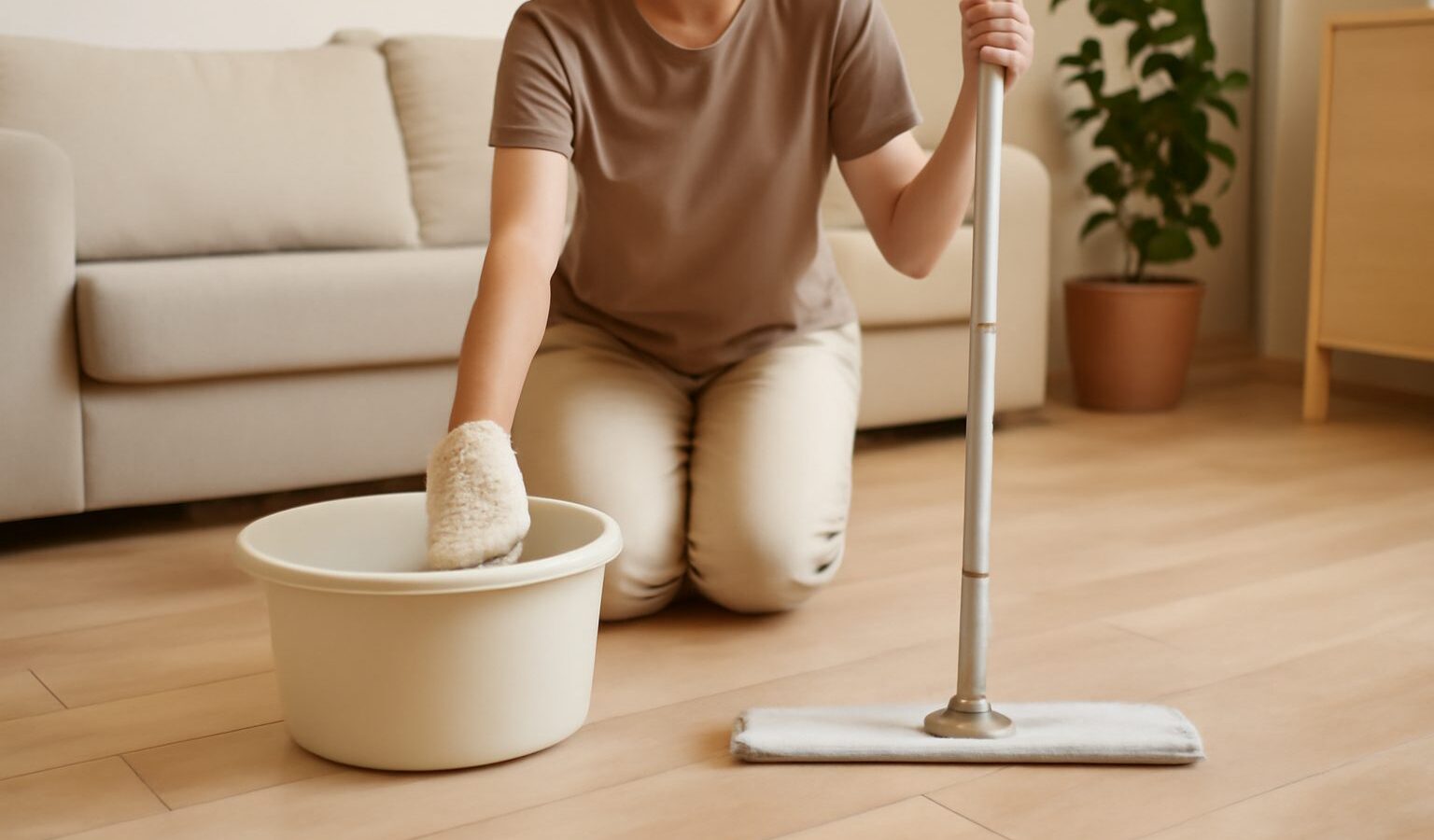
Floors take more punishment than any other surface in the home, and the right approach depends on what they are made of. Cleaning floors in Singapore also means working with our climate: fine dust drifts in through windows, wet shoes and umbrellas track in moisture during monsoon season, and humidity can leave a mopped floor feeling tacky if you use too much water. The good news is that most floors ask for gentle, regular care rather than aggressive scrubbing. Match your method to the material and you will keep floors looking good for years without damaging them.
Start With the Basics That Suit Every Floor
Whatever your flooring, two habits do most of the work. First, deal with grit. Sweep or vacuum regularly, because sand and dust act like sandpaper underfoot and dull surfaces over time. A doormat at the entrance and a shoes-off habit, common in many Singapore homes, dramatically cut how much dirt reaches your floors in the first place.
Second, go easy on water. A damp mop, wrung out well, cleans better than a soaking wet one and dries faster in our humidity, which matters because standing water can seep into seams and encourage mould. Work in sections, rinse your mop as it gets dirty, and change the water once it turns grey. Wipe up spills quickly rather than letting them sit. Test any new cleaner on a hidden corner first, and reach for a mild, floor-appropriate product rather than a strong all-purpose one that may strip finishes.
A safety reminder that applies across the home: if you ever use a disinfectant or bleach solution on hard floors, never mix it with other cleaners, especially ammonia-based or acidic ones, as the fumes can be dangerous. Ventilate the room, wear gloves, and keep pets and children off the floor until it is dry.
Care for Tile, Vinyl and Laminate
These three are the most common floors in HDB flats and condos, and each has its own quirks.
- Tile and ceramic: Hard-wearing and water-friendly, tile handles regular mopping well. The weak point is the grout, which traps dirt and can grow mould in damp corners. An old toothbrush with a gentle paste lifts grout grime; avoid harsh acids that can etch the tile surface or wear down grout over time.
- Vinyl: Popular for being soft underfoot and water-resistant, vinyl likes a damp mop and a mild cleaner. Skip abrasive pads and heavy scrubbing, which can scratch the wear layer, and avoid very hot water, which is not its friend.
- Laminate: This looks like wood but is sensitive to moisture at the seams. Use a barely damp mop, never a wet one, and never let water pool. Wipe spills immediately, as swelling at the edges is the main way laminate gets ruined.
For all three, sweep first so you are not dragging grit around with your mop, and dry any excess moisture rather than leaving puddles.
Look After Wood and Marble Gently
Natural materials reward a lighter touch. Timber and stone are beautiful but less forgiving of water and harsh products, so restraint is the rule.
For wood and engineered-wood floors, keep water to a minimum. Dust or vacuum often, then clean with a cloth or mop that is only slightly damp, and dry as you go. Avoid vinegar and other acidic solutions, which can dull the finish, and steer clear of steam cleaners, which force moisture into the boards. Use a cleaner made for wood, and place felt pads under furniture legs to prevent scratches.
Marble and other natural stone are porous and react badly to acids, so lemon, vinegar and many general cleaners are out. A pH-neutral stone cleaner or plain water with a soft cloth is safest. Wipe spills straight away, especially anything acidic like juice or coffee, to avoid dull etch marks, and use coasters and mats in high-traffic spots. For deep stains or a professional polish on stone, it is worth consulting a specialist rather than experimenting.
Match the Method to the Material
Getting the pairing right protects your floors and saves effort. This table sums up a sensible routine for each type.
| Floor type | Everyday care | Mopping approach | Avoid |
|---|---|---|---|
| Tile and ceramic | Sweep, spot-clean grout | Damp mop, mild cleaner | Strong acids on grout |
| Vinyl | Sweep or vacuum | Damp mop, mild cleaner | Abrasive pads, very hot water |
| Laminate | Sweep, wipe spills fast | Barely damp mop only | Standing water, wet mopping |
| Wood | Dust or vacuum often | Slightly damp, dry as you go | Vinegar, steam cleaners |
| Marble and stone | Wipe spills at once | pH-neutral cleaner or water | Acids, harsh general cleaners |
Handling Humidity, Stains and the Pros
Our climate throws up a few recurring problems. Musty smells and slippery patches usually point to moisture that is not drying, so improve airflow, mop with less water, and dry problem areas. In the rainy season, keep a mat by the door for wet umbrellas and shoes. For scuff marks, a soft eraser-style pad often works on hard floors without chemicals.
Know when to hand over the heavy jobs. Regrouting or resealing tiles, sanding and refinishing wood, and polishing or restoring marble are specialist tasks best left to experienced tradespeople. Before any major spring clean, especially the pre-CNY push, plan your floors as the final step so you are not walking dirt back across freshly mopped surfaces. With the right method for each material, floor care becomes a quick, calm part of running your home rather than a chore you dread.
Explore more
Clean floors are only half the picture, so bring the same care to the surfaces around them. See our guide on cleaning windows and glass at home for streak-free results, and tackle the spots you usually miss with cleaning high and hard-to-reach places. To keep everything ticking along without stress, set up a simple home cleaning routine that fits your week.