
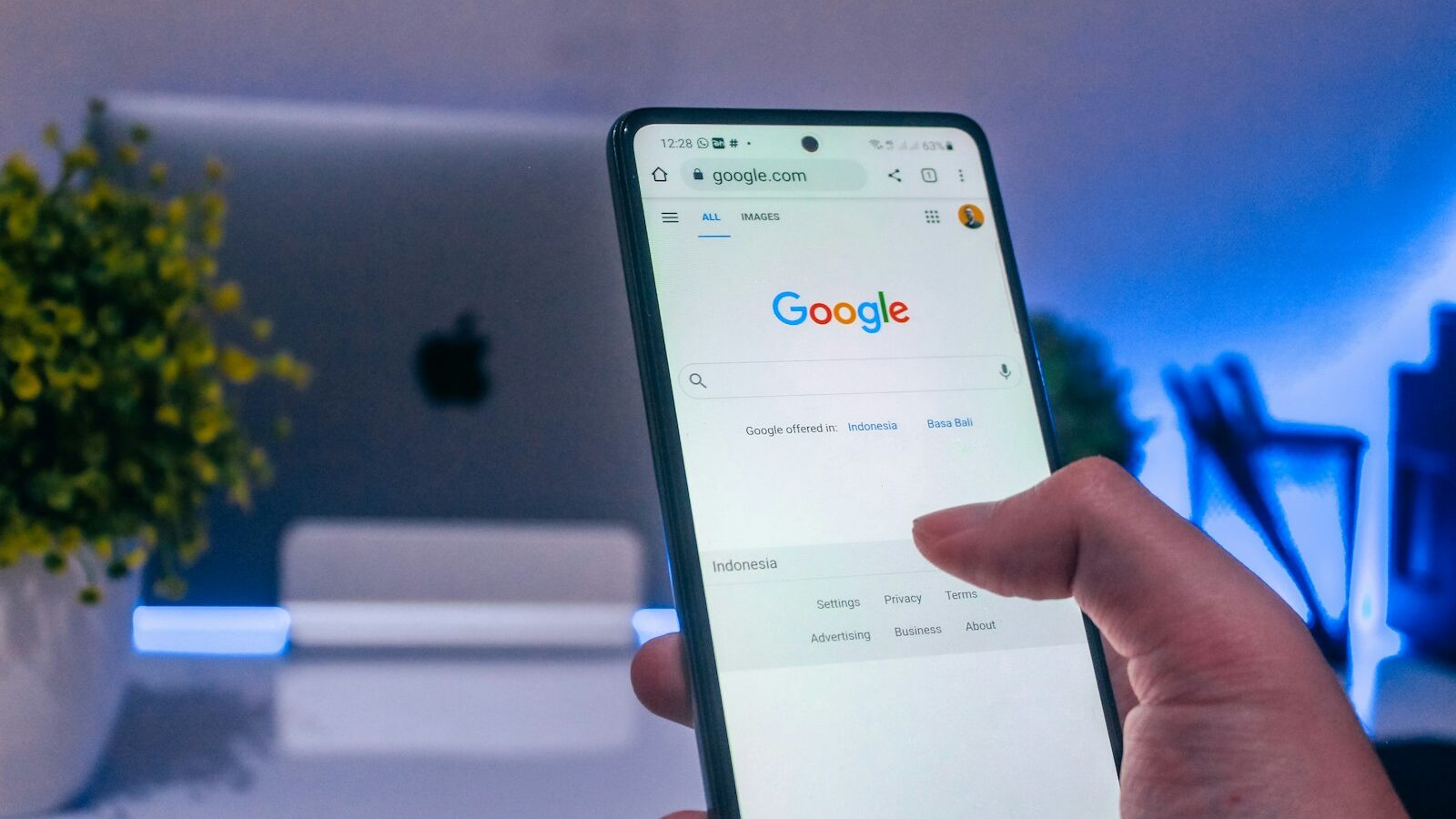
When someone in Singapore searches for a plumber, a clinic, or a dance class, the businesses at the top of the results are often paying to be there. Learning Google Ads for business Singapore owners can run themselves means capturing that ready-to-buy demand instead of hoping to be found. Done well, it is one of the most measurable forms of marketing. Done carelessly, it quietly drains a budget. This guide covers how search ads work, how to set up a first campaign, how to budget and target sensibly, and how to measure whether it actually pays.
Why search ads suit ready-to-buy customers
The big advantage of search advertising is intent. Unlike social feeds, where you interrupt people who were not thinking about you, Google Ads shows your business exactly when someone types what they want. A person searching “aircon servicing near me” is close to buying. That timing is why search ads can work so well for local service businesses, clinics, tutors, tradespeople, and shops.
It suits you if you sell something people actively search for and if you can respond quickly to enquiries. It is a weaker fit if demand for your product barely exists yet, since ads capture existing demand rather than creating it. In that case, content or social channels may come first.
Be honest about the commitment. Google Ads is not set and forget. It needs a landing page that matches the search, a way to capture leads, and someone to review results and trim waste. The businesses that win treat it as an ongoing habit, not a one-time switch.
Setting up your first campaign
Create a Google Ads account, then resist the temptation to turn everything on at once. Start narrow and controlled. A focused campaign around your most profitable service will teach you more than a sprawling one.
Work through these foundations in order:
- Define one clear goal, such as phone calls, form leads, or bookings.
- Build a dedicated landing page that matches what the ad promises.
- Group tightly related keywords into a small number of ad groups.
- Write ads that speak to the search and include a clear call to action.
- Add location targeting so you only pay to reach the right area.
Choose your keywords with care, and use match types to control how loosely Google interprets them. Add negative keywords, the searches you do not want to appear for, from day one, because they stop you paying for irrelevant clicks like “free” or “jobs”. Keep your ad copy honest and specific, and make sure the page it leads to loads fast and works on a phone, since most local searches happen on mobile.
Budgeting and targeting without wasting money
You control what you spend. Set a daily budget you are comfortable with and treat the early weeks as paid learning. Costs per click vary widely by industry and competition, so do not anchor to any figure you read online. What matters is not the cost of a click but the cost of a customer, and whether that customer is worth more than you paid.
Targeting is where budgets are saved or lost. Narrow your ads to the locations you actually serve, set a schedule if you only take calls during opening hours, and start with search campaigns before experimenting with display or video, which serve different purposes.
The table below compares the main Google Ads campaign types so you can pick the right starting point.
| Campaign type | Best for | Buyer intent | Good first choice |
|---|---|---|---|
| Search | Capturing active demand | High | Yes, start here |
| Display | Awareness and retargeting | Low | Later |
| Video | Brand storytelling on YouTube | Low to medium | Later |
| Shopping | Product listings for retail | High | If you sell products |
| Performance Max | Automated mix across channels | Varies | Once you have data |
Follow Google’s advertising policies, especially for regulated services, and never promise results you cannot control. No honest campaign guarantees a fixed return. Start small, measure, then scale only what proves itself.
Measuring results and calculating return
Google Ads is powerful because it is measurable, but only if you set up tracking. Configure conversion tracking so the account records the actions that matter, whether calls, form submissions, or purchases, rather than just clicks. Without this, you are flying blind and cannot tell profitable spend from waste.
Focus on a few honest numbers:
- Cost per lead or per sale, not cost per click alone.
- Conversion rate, meaning how many clicks become real enquiries.
- Which keywords and ads produce customers, and which only spend.
- The quality of leads, since cheap clicks that never buy help no one.
- Your return relative to the value of a customer over time.
Review the search terms report regularly to see the actual queries triggering your ads, then add negatives to cut waste. Small, frequent adjustments compound. Ask new customers how they found you too, because tracking is never perfect and a quick question fills the gaps.
Common mistakes to avoid
Most wasted budgets come from the same handful of errors. Owners send paid clicks to a generic homepage instead of a focused landing page, so interested visitors leave. They use broad keywords with no negatives and pay for irrelevant searches. They set a campaign live and never review it, letting weak ads run for months.
Other traps are subtler. Bidding on very broad, expensive terms drains money faster than niche, specific ones convert. Ignoring mobile experience loses the majority of local searchers. And judging success by clicks or impressions, rather than actual customers, hides whether the spend is working at all.
Keep it disciplined. Start with one tight campaign, track real conversions, cut what does not work, and reinvest in what does. Treat this as general marketing guidance and follow Google’s own policies, and if paid advertising becomes a major spend, consider a qualified specialist to help you scale without waste.
Explore more
Search ads work best alongside other channels rather than alone. Compare how paid social reaches people who are not yet searching in how to run Facebook and Instagram ads in Singapore, and make sure your free local presence is sorted with how to set up a Google Business Profile in Singapore. To turn more of those hard-won clicks into sales, it is worth reading how to write copy that sells in Singapore.