
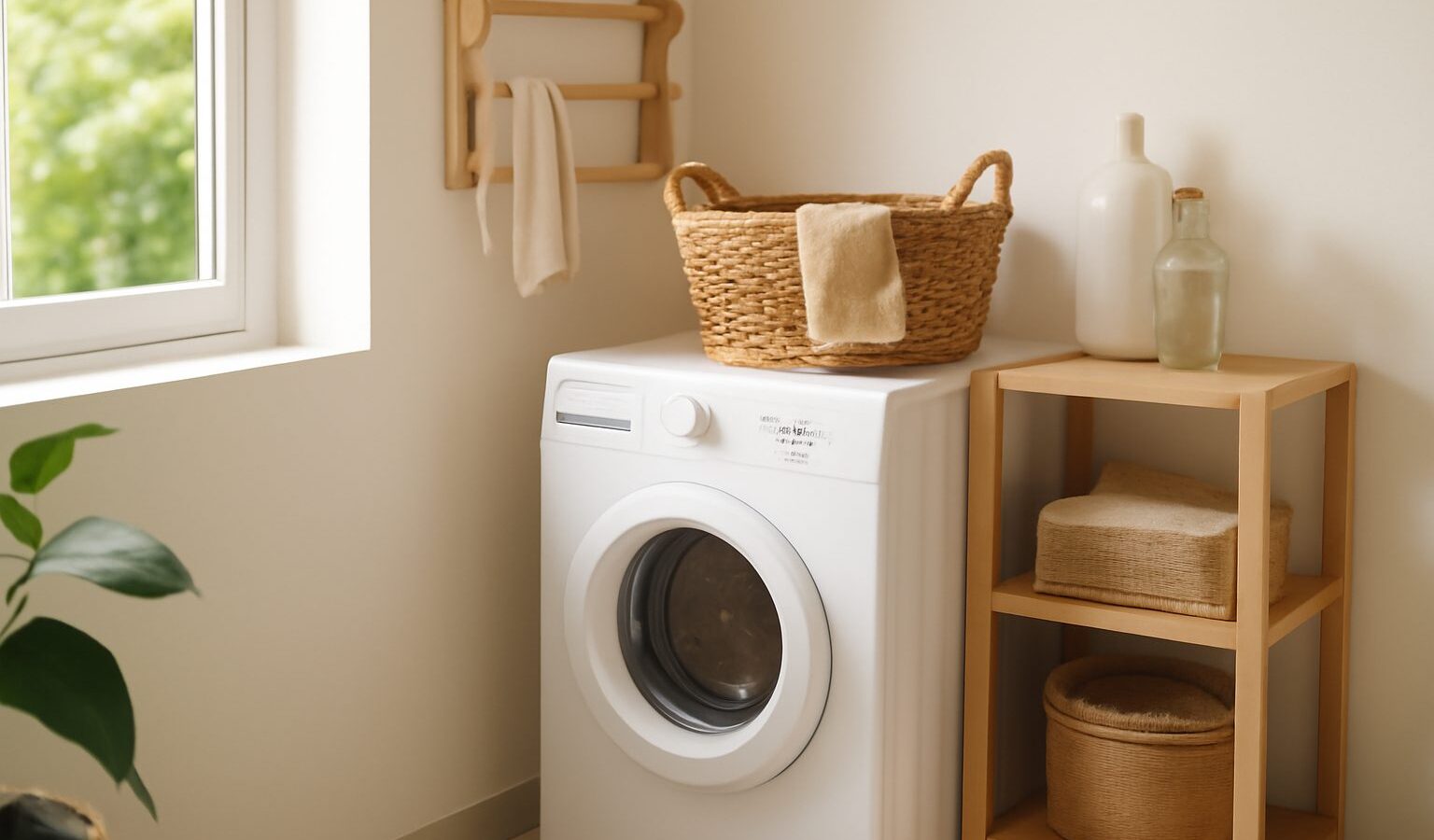
Most homes here do not have a dedicated laundry room, just a service yard, a kitchen corner, or a slice of the bathroom. The good news is you do not need much. A well planned small laundry area in Singapore can handle a whole household if you use the space cleverly, keep it ventilated, and store your supplies neatly. This guide walks through choosing a spot, fitting the machine and drying setup, beating our humidity, and keeping everything tidy, whether you are in a compact HDB flat or a condo unit.
Choose the Right Spot
Start by working with the space you already have rather than fighting it. In HDB flats the service yard off the kitchen is the classic choice, since it has a floor trap, a tap, and outside air. In newer flats and condos, laundry often shares the kitchen or a utility corner, or sits in a bomb shelter doorway area for storage.
When picking your spot, look for three things: a water point, drainage, and airflow. A power socket that sits away from splashes matters too. If your only option is a spot with poor ventilation, plan from the start to add a fan or dehumidifier, because damp air is the main enemy of laundry in our climate.
- Water and drainage: essential for the washer, so a floor trap or nearby outlet is ideal.
- Ventilation: an external wall, window, or door lets moisture escape.
- Power: a dedicated socket, kept clear of water, for the machine.
- Access: enough room to load, unload, and hang without knocking into things.
Fit the Machine Into a Tight Space
The machine is the anchor of the area, so choose one that suits both your loads and your footprint. Front loaders let you stack a dryer or a shelf on top, which is gold in a narrow yard. Top loaders need clearance above to open the lid, so they suit spots without an overhead shelf.
- In a very tight space, a washer dryer combo in one unit saves floor area, though it handles smaller drying loads.
- Where you have a little height, stack a separate dryer above a front loader using a proper stacking kit for stability.
- Leave a small gap around the machine for airflow and for hoses, and make sure it sits level so it does not vibrate or walk during a spin.
- Keep the water hoses and drainage accessible so you can check them for leaks or kinks.
Measure the doorway and the path in before buying anything, since a machine that will not fit through the door is a common and costly mistake. If you are plumbing in a new point or moving drainage, use a licensed plumber rather than improvising, especially in an HDB flat where wet works have rules.
Sort Out Drying in Our Humidity
Drying is the part that makes or breaks a small laundry area, because our humidity slows evaporation and invites that musty smell. Aim for airflow and a plan for wet weather.
- The classic ceiling-mounted or wall-mounted retractable rack in the service yard uses vertical space and keeps floors clear. Have a licensed handyman fix heavy racks securely into the structure.
- A folding drying rack or clothes airer can be stored flat and brought out as needed, which suits kitchens and balconies.
- Position a fan to move air across drying clothes, which cuts drying time dramatically indoors.
- On rainy stretches, a dehumidifier in a semi-enclosed area speeds drying and protects the room from damp.
- A tumble dryer, or the dry function on a combo unit, is the reliable backup when the weather simply will not cooperate.
Do not hang dripping laundry over parquet or near electrics, and remember that clothes drying indoors release a lot of moisture into the air, so ventilate the space while they dry.
Layout Options for Different Homes
Every home is different, so match the setup to your space rather than copying one ideal. This quick comparison helps you pick a starting point.
| Space you have | Machine choice | Drying approach |
|---|---|---|
| HDB service yard | Front loader with shelf above | Ceiling or wall retractable rack |
| Kitchen corner | Slim front loader or combo | Foldable rack plus a fan |
| Condo utility area | Stacked washer and dryer | Dryer with rack backup |
| Shared bathroom nook | Compact combo unit | Wall airer and dehumidifier |
Whatever the layout, keep a clear zone in front of the machine so you can bend and load comfortably, and keep the drying spot close to the washer so wet laundry does not drip across the floor.
Store Supplies and Keep It Tidy
A small area stays usable only if the clutter is under control. Go vertical and keep everything within reach.
- Fit a shelf or a slim cabinet above or beside the machine for detergent, softener, and pegs.
- Use sealed containers for powder and pods so humidity does not clump them, and to keep them safely away from children and pets.
- Hang a small caddy or hooks for a brush, gloves, and a lint roller.
- Keep a laundry basket or two for sorting lights and darks before wash day, which speeds everything up.
- Add a small bin for lint and packaging so the area does not gather rubbish.
Store cleaning products upright and clearly, and never decant chemicals into unlabelled bottles. Keep bleach well away from any acidic or ammonia based cleaners, since mixing them releases toxic fumes.
Keep the Area Clean and Safe
A laundry corner works hard and stays damp, so a little upkeep prevents mould and odours. Wipe the machine door seal and detergent drawer regularly, since the rubber gasket on front loaders traps water and grows mildew if ignored. Leave the door and drawer ajar between washes so the drum dries out. Run a hot maintenance wash or a machine cleaning cycle every month or so to keep the drum fresh.
Check hoses now and then for leaks, and keep the floor trap clear so water drains freely. If you ever spot a persistent leak or a drainage problem you cannot fix, call a licensed plumber rather than letting water sit, as trapped moisture damages floors and invites mould. With a sensible layout, good airflow, and tidy storage, even the smallest laundry corner can keep a whole household in fresh, dry clothes.
Explore more
Once your space is set up, the day to day routine is what keeps it running smoothly. Get the fundamentals in how to do your laundry properly, choose the right cycle with understanding laundry labels and machine settings, and make the most of your drying setup with ironing and steaming clothes at home.