
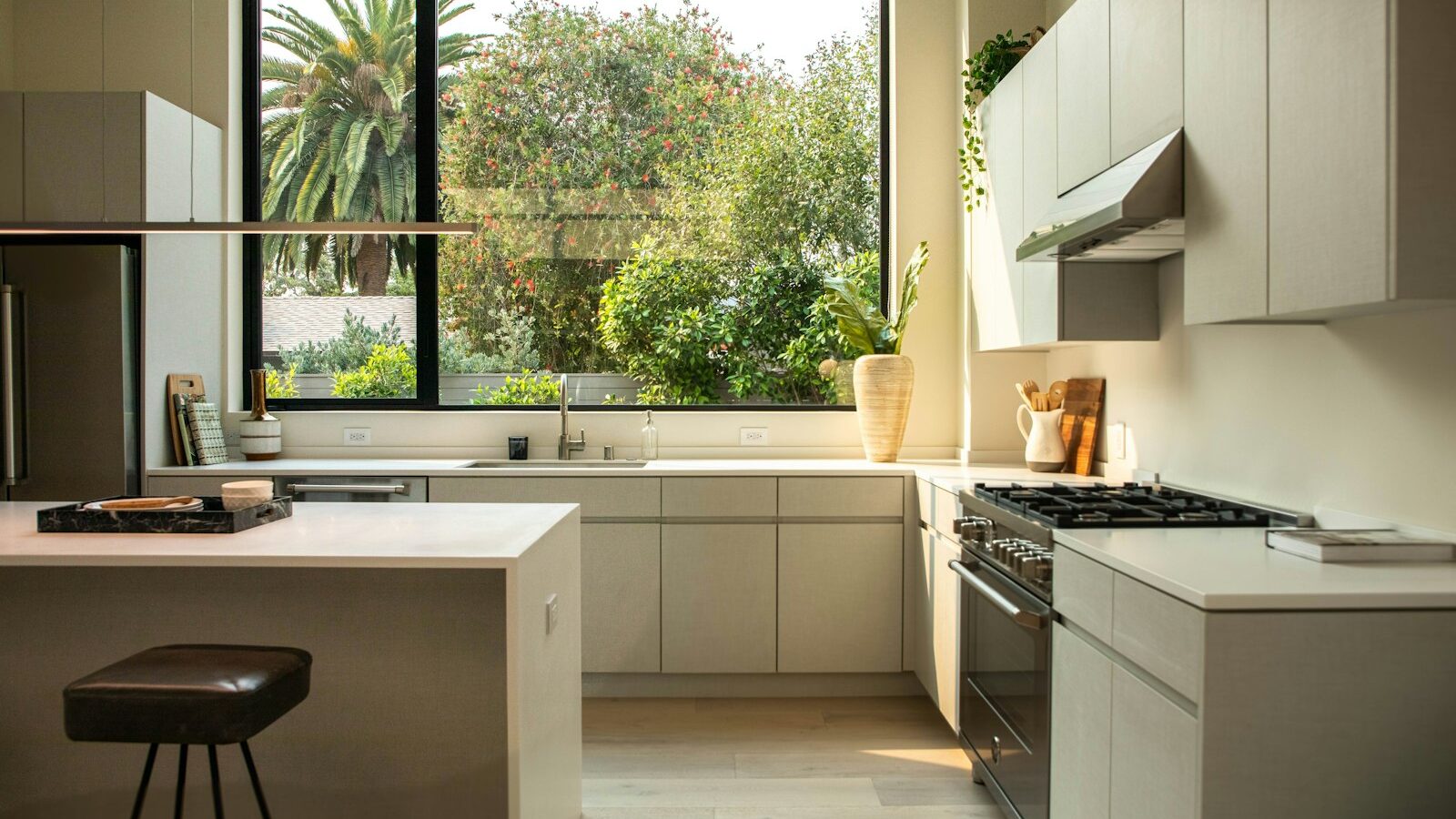
A cloud kitchen singapore business lets you sell food purely for delivery and takeaway, without a dine-in shopfront. Instead of paying prime rent for a seating area, you cook from a compact production unit and reach customers through delivery apps and your own ordering channels. For anyone who loves food but wants a leaner path than a full restaurant, this model has become one of the more accessible ways to enter the trade.
This guide walks you through the concept, the realistic startup steps, the costs to expect, the skills and equipment you need, how to find customers, and the compliance side that keeps you on the right footing.
Understanding the Cloud Kitchen Model
A cloud kitchen, sometimes called a dark kitchen or ghost kitchen, is a delivery-only food operation. You might run a single brand or several virtual brands from the same premises, tuning each menu to a different audience. Some operators rent a shared, purpose-built kitchen pod alongside other food businesses, while others fit out their own small unit.
The appeal is focus. You pour your money into good food, efficient prep and reliable delivery rather than into furniture, service staff and street frontage. The trade-off is that you live or die by online visibility, packaging quality and turnaround time, because the customer never meets you in person.
Before committing, test your idea. Cook your signature dishes at volume, package them, and see how they travel after twenty minutes in a delivery bag. Food that looks perfect on the pass but arrives soggy will sink your ratings quickly.
Startup Steps
Start with a business plan that sets out your menu, your target customers, your pricing and a simple monthly budget. Even a short plan forces you to think about how many orders you need to break even.
Next, register your business with ACRA. Many first-time owners begin as a sole proprietorship for simplicity, while others set up a private limited company for liability protection. Choose the structure that fits your risk appetite and growth plans, and confirm current requirements directly with ACRA.
Secure suitable premises. Your kitchen must be in a location approved for food preparation, so check the permitted use of any unit before signing a tenancy. Shared commissary kitchens can shorten this step because the operator has often already handled premises approval, though you must still verify what your own licence covers.
Then fit out the space, source suppliers, set up your delivery-app listings and ordering system, and run a soft launch to a small audience before you scale up marketing.
Costs to Plan For
Costs vary widely with the model you choose, so treat the following as categories to budget for rather than fixed figures. Get your own quotes before committing.
| Cost area | What it covers | Typical variation |
|---|---|---|
| Premises | Rent, deposit, and any fit-out of a private unit | Lower for shared pods, higher for a self-run unit |
| Equipment | Cooking lines, refrigeration, prep tables, storage | Scales with menu complexity and volume |
| Licensing | Food-shop licence, food handler training, registration | Depends on scope and number of workers |
| Packaging | Delivery-safe containers, labels, insulated bags | Recurring, tied to order volume |
| Technology | Delivery-app commissions, ordering tools, website | Commissions are a percentage of each sale |
| Working capital | Ingredients, wages, utilities, buffer for slow weeks | Keep several months in reserve |
Delivery-app commissions deserve special attention because they are an ongoing cut of every order, not a one-off cost. Build them into your menu pricing from day one, and encourage repeat customers to order through your own lower-cost channels where practical.
Skills and Equipment
You do not have to be a trained chef, but you do need consistency. Customers expect the same dish, at the same standard, every time. Strong prep discipline, portion control and stock management matter as much as flair.
On equipment, prioritise reliable refrigeration, a cooking line suited to your menu, ample prep and storage space, and a system for keeping raw and cooked food separate. Good labelling and stock rotation protect both food safety and your margins.
You will also need basic digital skills, or a partner who has them, to manage app listings, respond to reviews, read your sales data and adjust the menu. Photography is worth learning too, because appetising images drive clicks on crowded delivery platforms.
Finding Customers
Delivery apps give you instant reach, but you compete with hundreds of listings, so presentation is everything. Sharp photos, clear descriptions, sensible pricing and fast preparation times all lift your ranking and your conversion.
Beyond the apps, build channels you control. A simple website or chat-based ordering line lets loyal customers reorder without app commissions eating your margin. Collect feedback, reward repeat orders, and keep your menu tight so your kitchen stays efficient.
Reputation compounds. Respond to every review, fix problems fast, and keep quality steady. A cluster of strong ratings will do more for your growth than any single promotion.
Compliance to Get Right
Food businesses are closely regulated, so treat compliance as a core part of your setup rather than an afterthought. This is general information, not legal advice, and requirements change, so verify the current position with each authority.
The Singapore Food Agency, or SFA, oversees food-shop licensing, food hygiene and premises approval. You will generally need the appropriate SFA food-shop licence for your kitchen, your premises must meet SFA requirements, and food handlers usually need recognised hygiene training. Confirm exactly what applies to your setup with SFA before you open.
Register your business and handle tax matters through ACRA and IRAS respectively. If you plan to hire, follow the Ministry of Manpower, or MOM, rules on employment, CPF contributions and any foreign-worker requirements. If you take on premises, make sure the tenancy and the approved use align with a food operation.
Finally, protect yourself with suitable insurance and keep clear records of suppliers, food safety practices and staff training. Good records make licence renewals and any inspection far smoother, and they signal a serious operation to partners and customers alike.
A cloud kitchen singapore venture rewards owners who combine genuinely good food with tight operations and steady online presence. Start small, prove that your dishes travel well, keep your compliance current, and grow only as fast as your kitchen and your ratings can support.
Explore more
Register a Company in Singapore
Business Licences and Permits
Writing a Business Plan
Managing Business Cashflow