
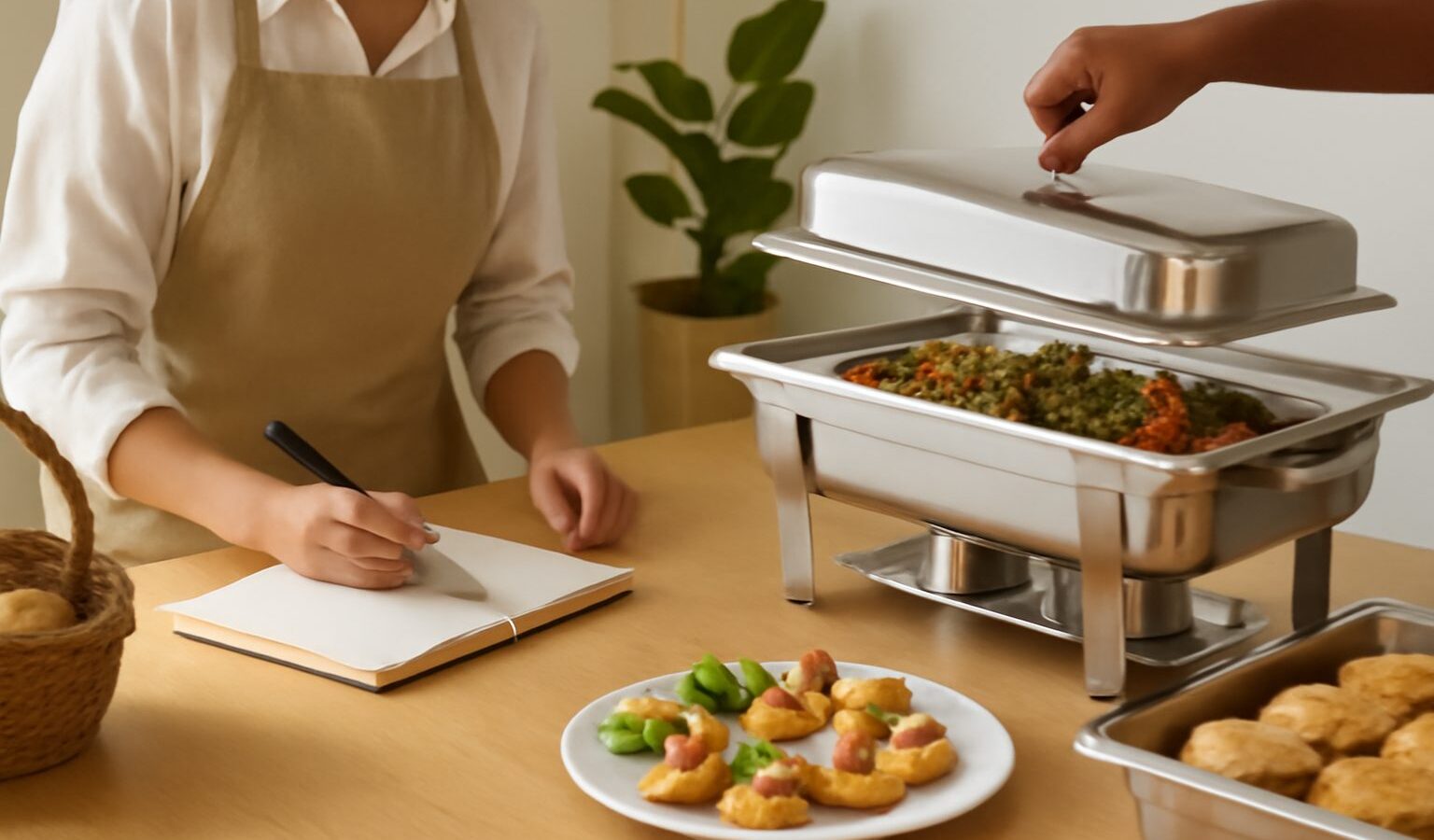
Singapore runs on gatherings. Office lunches, weddings, birthdays, product launches, house blessings, and community events all need food delivered on time and at scale. That steady demand makes a catering business Singapore-side an appealing venture, because you can start without a customer facing storefront and grow through reputation and repeat bookings. But catering is a logistics business wearing a chef’s apron. This guide covers the opportunity, the licences, the money, and the operational reality so you can build it properly.
The Opportunity and Who It Suits
Catering spans several niches, and picking one sharpens everything else. Corporate catering serves office lunches, meetings, and events, often on repeat contracts. Event and wedding catering handles larger, higher touch functions with buffets, live stations, and service staff. Home and small event catering covers birthdays, gatherings, and house occasions, often as a lean starting point. There are also specialist angles, such as halal, vegetarian, or particular cuisines, that help you stand out in a crowded field.
This business suits organised people who can plan, cost, and coordinate as well as cook. Much of the work is invisible to the guest: forecasting quantities, timing preparation, packing, transporting hot and cold food safely, and delivering to the minute. If you enjoy running a tight operation and keeping clients calm on their big day, catering rewards you. If you only want to cook, it will frustrate you.
Licences, ACRA, and the SFA
Register with ACRA first. Many caterers operate as a private limited company for limited liability and a professional footing with corporate clients, though a sole proprietorship is a simpler start. Confirm the right structure with a corporate secretary or accountant.
Food safety sits with the Singapore Food Agency (SFA). A catering operation generally prepares food in a licensed central kitchen or food preparation premises, and you will typically need the relevant SFA food licence for that facility. Home based catering has its own limits under the small scale home business scheme, and cooking at volume for paid events usually points you toward a proper licensed kitchen, so check the SFA’s current guidance before scaling. Everyone handling food will normally need the required food safety course and food handler registration. NEA hygiene rules govern cleaning, storage, transport, and pest control. Many events request halal food, and that certification is a separate process through MUIS. Rules and fees change, so confirm directly with SFA rather than relying on assumptions.
Because catering transports food off site, safe handling during delivery, holding temperatures, and hygiene on the move are part of your compliance, not an afterthought.
Costs and Getting Started
No single startup figure is honest here, because a home based start, a shared kitchen, and your own central kitchen differ hugely. Focus on the cost drivers.
| Cost driver | Lean start | Established caterer |
|---|---|---|
| Kitchen | Home scheme or rented shared kitchen | Own licensed central kitchen |
| Equipment | Basic cooking and holding gear | Bulk cooking, chillers, hot boxes, transport |
| Staff | You plus casual helpers | Kitchen crew plus service staff |
| Delivery | Own vehicle or hired | Fleet or logistics arrangement |
| Marketing | Word of mouth, social | Sales team, corporate accounts |
The largest drivers are the kitchen and manpower. A licensed central kitchen with bulk cooking equipment, chillers, hot holding boxes, and transport is a serious investment, so many start lean using a compliant shared or rented kitchen and scale up as bookings justify it. Service staff for events, delivery, and casual labour for peak weekends are ongoing costs, and Singapore’s tight labour market and foreign worker rules make staffing a real planning task. Keep a cash buffer, since clients often pay after events while your suppliers and staff need paying sooner.
Explore Enterprise Singapore capability schemes for local businesses, but verify any amounts and eligibility, since they change. Register for GST with IRAS when required or beneficial, and keep clean records from your first invoice.
Running and Growing the Business
Reputation is your engine, and it is built one flawless event at a time.
- Cost every menu precisely. Ingredients, packaging, staff, transport, and equipment hire all belong in the price. Bulk work hides thin margins if you are careless.
- Nail delivery timing. Late food or cold dishes end relationships. Build buffers into your schedule and your transport plan.
- Standardise packing and setup. Checklists for each event type prevent the forgotten serving spoon that spoils an otherwise perfect job.
- Collect testimonials and photos. Corporate and wedding clients buy on trust, and past events are your strongest sales tool.
- Chase repeat contracts. Regular office catering smooths the lumpy events calendar and gives you predictable income.
Growth typically comes from landing steady corporate accounts, adding higher value event and wedding work, or expanding capacity with a bigger kitchen and larger crew. Systemise your menus, portioning, and staff training before you scale, because volume magnifies every weakness in your process.
Common Pitfalls to Avoid
The classic error is underpricing to win a first big job, then losing money once labour and transport are counted. Others cook beyond what their kitchen is licensed for, which is a genuine compliance risk. Many underestimate the logistics, treating catering as cooking plus delivery rather than a timed operation with many moving parts. Cash flow catches out the unprepared, since clients pay after the event while suppliers and staff do not wait. And food safety during transport, if neglected, can cause the one incident that ruins a reputation.
Avoid these by starting within a compliant kitchen, pricing for a real margin, building tight operational checklists, and keeping a cash buffer. A catering business Singapore-wide can be genuinely profitable and satisfying, but only for the operator who treats logistics and food safety as seriously as flavour.
This article is general information, not legal, financial, or tax advice. Rules and figures change, so confirm current requirements with the SFA, ACRA, NEA, MUIS, and IRAS, or consult a qualified professional before committing.
Explore more
Exploring related food paths? Compare a production model in our guide to starting a bakery, look at events on wheels with running a food truck or stall, or consider a heartland foothold in starting a hawker stall.