
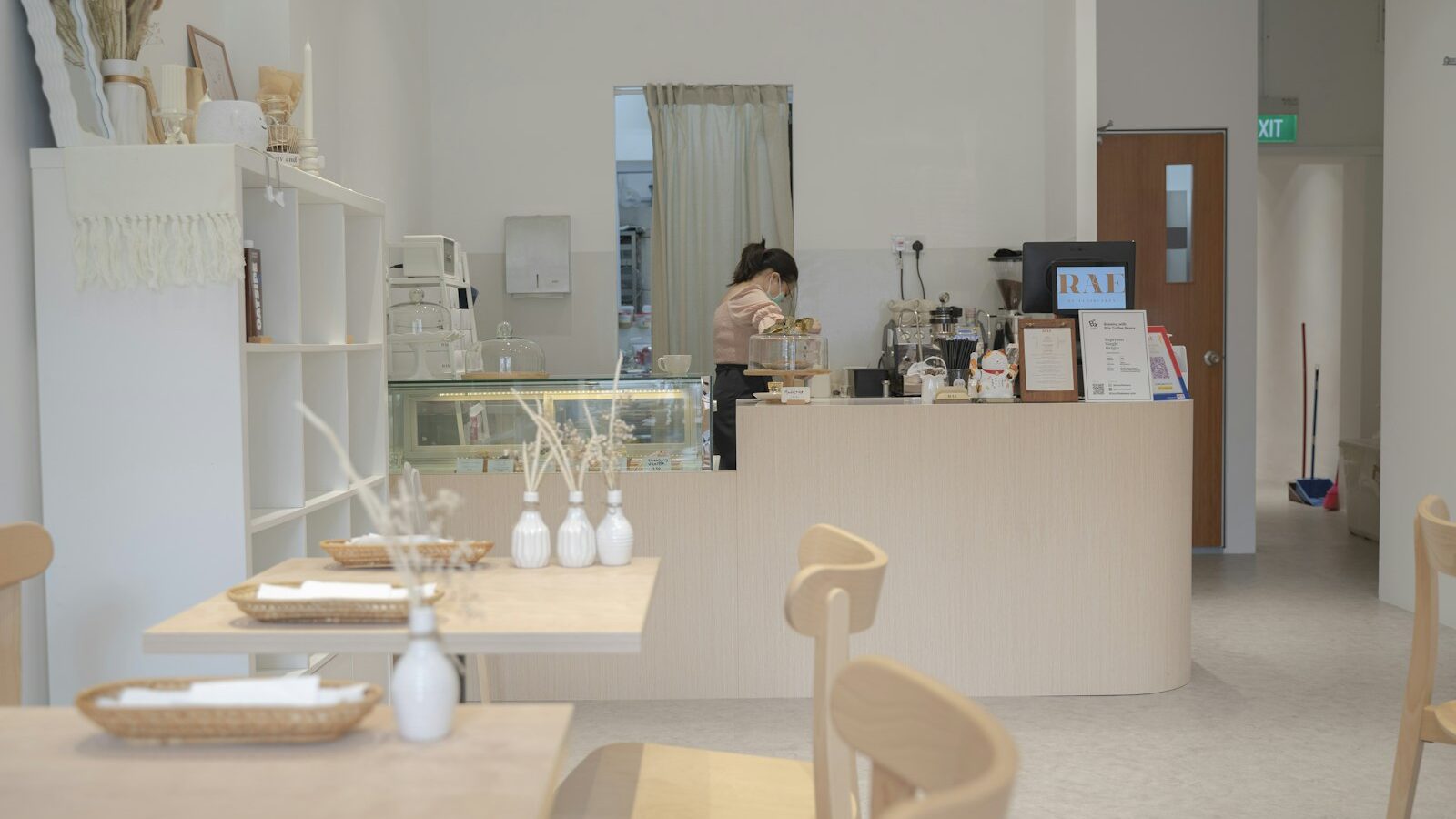
Singaporeans love their sweets, from chendol and ice kachang to Korean bingsu, gelato, and elaborate cakes. That appetite makes a dessert business tempting, but it also makes the market crowded and trend-driven. If you want to start a dessert shop singapore customers will return to, you need more than a good recipe. You need a clear concept, tight cost control, and a realistic view of just how competitive F&B here can be. This guide walks through the general steps honestly.
Nothing here is legal, financial, or tax advice. It is general information, and you should check the specifics with the right professionals and authorities before committing money.
Nail the concept before the recipes
Dessert is fashionable, which cuts both ways. A viral treat can bring queues one month and empty tables the next. So decide early whether you are building around a lasting concept or riding a trend, and price and plan accordingly. Think about your format too: a sit-down cafe, a grab-and-go kiosk, a heartland shopfront, or a home-based bake business each carry very different costs and risks.
Your concept should answer a simple question: why would someone choose you over the dessert place next door or the one blowing up on social media? It might be a signature product, a specific cuisine, quality ingredients, or a genuinely nice place to sit. Do proper market research for small business to test real demand, and think carefully about pricing your products, because desserts can look cheap to customers while your ingredient and labour costs quietly eat your margin.
Food licensing, registration and hygiene
Any business that makes and sells food to the public sits squarely under food safety rules. Food licensing and hygiene requirements from the Singapore Food Agency (SFA) apply to dessert shops, and the exact requirements depend on your premises, your equipment, and how you handle and store ingredients. Because these rules change and vary by setup, do not assume a particular licence is or is not needed. Verify the specific licences, permits, and hygiene requirements with the relevant authority directly, and treat a general overview like business licences and permits as orientation only.
You will also register the business with ACRA and choose a structure that fits your plans and appetite for risk. Check whether and when GST registration applies to you, and speak to a qualified tax agent or accountant if you are unsure. If you plan to hire, any staffing must follow the Employment Act and MOM rules, so check current requirements before you take anyone on. The broader steps for opening a food outlet are covered in setting up an F&B business.
Location, costs and margins
Location is everything for impulse-driven treats. Malls and busy heartland spots bring footfall but command high rent, while cheaper corners may struggle to get discovered. Rent and manpower are two of the biggest costs in Singapore F&B, so model them honestly and negotiate your lease carefully rather than assuming a good location will pay for itself.
On costs, be conservative. Fit-out, kitchen equipment, chillers and freezers, initial ingredients, a POS system, deposits, and a few months of running costs add up quickly, and it can take a long time to break even, if you reach it at all. Ingredient waste is a real risk with perishable desserts, so tight stock control and careful daily prep matter. Order to demand rather than to a full display case, track which items actually sell, and adjust your prep so yesterday’s leftovers do not become today’s losses. Do not build your plan on anyone’s promise of easy profits or on figures you cannot verify. Make your own budget, keep a cash buffer, and watch your numbers weekly rather than only at month end, when problems are harder to fix.
A realistic wrap-up
A dessert shop can be a joyful, creative business, and Singapore’s sweet tooth is real. But the market is crowded, trends move fast, and F&B margins are unforgiving once rent, manpower, and waste are counted. The shops that last combine a clear concept, consistent quality, and disciplined cost control, not just a popular product. Go in with conservative numbers, a cash buffer, and proper advice from an accountant, a lawyer or corporate service provider, and the relevant authorities before you sign a lease or fire up the kitchen.