
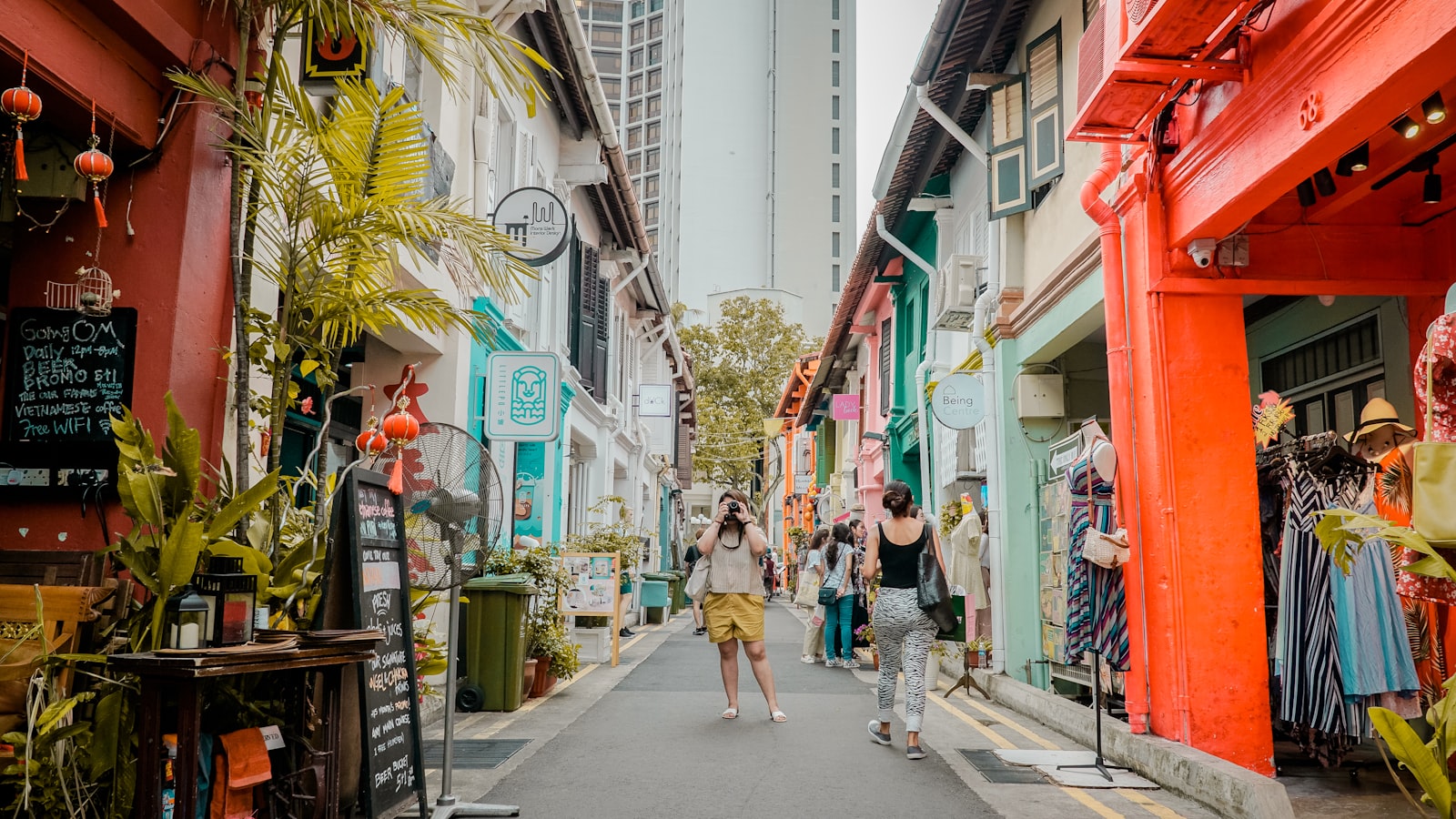
Opening a thrift shop in Singapore is a lovely idea on paper: rescue good clothes from the bin, give shoppers a treasure hunt, and build a business around slower, more mindful buying. In practice, a resale or vintage store is a real retail operation with real costs, and the margins can be thin if you do not know your numbers. This guide walks through what it actually takes, so you can decide with clear eyes rather than romance.
Find Your Niche and Your Sourcing
“Thrift” and “vintage” are not the same thing, and the difference shapes your whole business. A general thrift shop sells a wide mix of second-hand clothing at low prices and relies on volume. A curated vintage store hunts for specific eras, brands, or styles, prices higher, and sells fewer, better pieces. Decide early which end of that spectrum you sit on, because it changes your sourcing, your rent budget, and the kind of customer you attract.
Sourcing is the part beginners underestimate. Stock does not appear on a shelf ready to sell. You might source from donation drives, estate clear-outs, bulk bales from overseas graders, consignment from individual sellers, or your own thrifting trips. Each has trade-offs. Bales are cheap per kilo but you buy blind and a chunk may be unsellable. Consignment ties up less cash but means splitting revenue and tracking who owns what. Whatever you choose, budget serious time for sorting, cleaning, repairing, steaming, and photographing. This hidden labour is your real cost of goods.
A few practical habits pay off from day one:
- Check every item for stains, holes, broken zips, and odours before you buy or accept it.
- Keep a simple record of what a batch cost you, so you can price for a real margin later.
- Be honest in your listings about flaws. Trust is the whole game in resale.
Registration, Licensing and the Legal Basics
Like any Singapore business, you will need to register with ACRA before you trade, whether as a sole proprietorship or a private limited company, and each structure means something different for your liability and taxes. If your turnover crosses the registration threshold you will also need to think about GST, so confirm the current threshold with IRAS rather than relying on any figure you read online.
Licensing for a second-hand goods shop can be more involved than for ordinary retail. In some cases the sale of second-hand or used articles attracts specific rules, and requirements depend on exactly what you sell and how. Treat this as general information, not legal advice: check the specific licences and permits that apply to your shop with the relevant authority before you open, because the rules change and depend on your activity. Our overview of business licences and permits is a useful starting map, but verify your own case with the authority.
There are product-safety angles too. If you branch into second-hand electrical goods, toys, or anything for children, safety standards apply, and you should confirm what is required. When in doubt, ask the authority or a corporate service provider rather than guessing.
Location, Rent and Fit-Out
Retail rent in Singapore is one of the biggest reasons small shops struggle, so choose your space with your margins in mind. A heartland unit or an out-of-the-way creative enclave costs far less than a mall, and thrift shoppers are often happy to travel for a good rummage. Many sellers start online first, on their own store or a marketplace, to prove demand before signing a lease. If that appeals, our broader guide to how to start a retail shop in Singapore helps you weigh the online-first path against a physical store.
Fit-out for a thrift shop can be charmingly cheap: second-hand rails, mismatched mirrors, and good lighting go a long way. The real investment is in presentation and flow, so people can hunt comfortably. Do not forget a proper point-of-sale setup and a way to track inventory, even a simple one, because loose stock records are how thrift shops quietly lose money.
Pricing, Margins and Staying Realistic
Pricing resale is an art. Price too low and you cannot cover rent and your own time; too high and stock sits and ages. Anchor your prices to condition, brand, rarity, and what similar pieces actually sell for, not what you hope to get. Build in the cost of the items that never sell, because some always will not. For a structured way to think about this, our piece on pricing your products is worth a read, alongside managing business cashflow, since resale ties up cash in stock long before it comes back as sales.
Be honest with yourself about the effort. A thrift or vintage shop rewards patience, taste, and consistency, not a quick flip. Margins can be decent on curated pieces and thin on bulk, and a slow month with unsold rails still owes rent. Anything here is general information, not financial or legal advice, so speak to a qualified accountant about your numbers and check official sources like ACRA and IRAS. Start small, learn your sourcing, keep clean records, and let the shop grow at the pace your cashflow allows. Done that way, a resale store can be a genuinely rewarding business rather than an expensive hobby.