
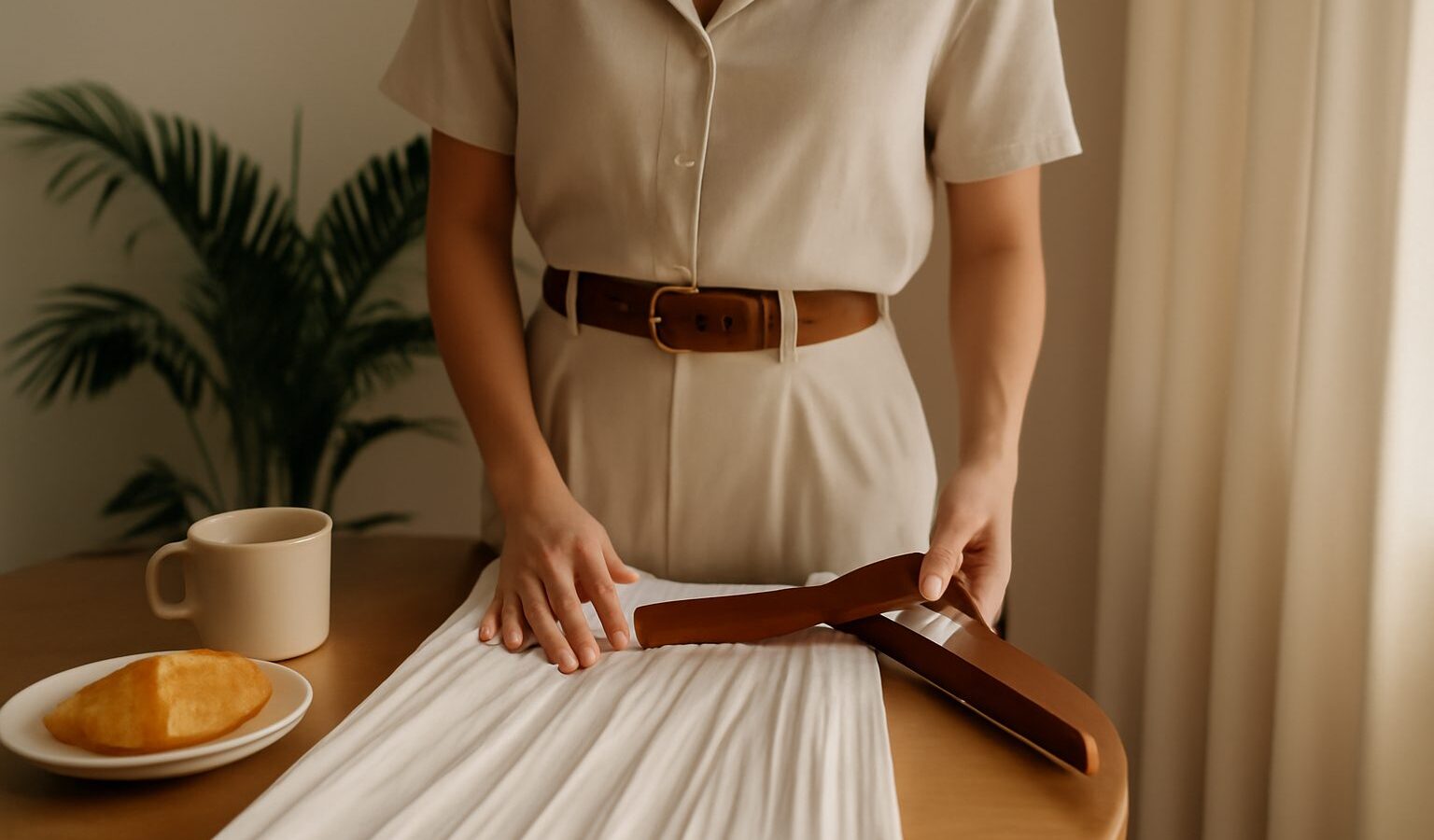
A belt is the smallest change with the biggest payoff. It can turn a shapeless dress into a defined silhouette, pull a loose shirt into something deliberate, and add a jolt of colour or texture without a single new garment. Using belts to style your outfits is one of those skills that, once learned, quietly improves half your wardrobe. And unlike heavier accessories, a belt adds no warmth, which makes it a natural fit for dressing well in Singapore’s heat.
This guide covers why belts work, the widths and materials to know, and practical ways to wear them at the waist, over layers and beyond, in a way that feels good on any body.
Why a Belt Changes an Outfit
The eye reads shape through lines, and a belt draws a clear horizontal line that organises everything above and below it. Add one and a straight, tent-like garment suddenly has structure. That is the whole trick.
Belts do three main jobs:
- Define the waist: they create a visible middle, which many people enjoy for a more tailored look.
- Break up a colour block: a contrasting belt splits a single-colour outfit into two, adding interest.
- Add a finishing detail: texture, hardware or a pop of colour signals that an outfit is intentional.
Importantly, none of this is about making a body smaller or hiding anything. A belt simply gives you the option to show shape where you want it. If you prefer a looser, unbroken line on a given day, skip it; if you want definition, reach for it. Both are entirely valid.
Belt Widths and Materials
Matching the belt to the outfit is mostly about proportion. Wider belts make bolder statements and suit relaxed, flowing pieces; thinner belts are subtle and pair well with tailored or fitted clothes.
- Skinny belts (up to 2cm): delicate, great through trouser loops or over a fine knit.
- Medium belts (2 to 4cm): the everyday workhorse, versatile with jeans, dresses and shirts.
- Wide belts (5cm and up): statement pieces that cinch dresses and add drama; best worn where you feel comfortable.
- Elastic and stretch belts: move with you and feel easy in the heat.
On materials, smooth leather or a good faux leather reads polished; woven and braided belts feel casual and summery; fabric and rope belts suit resort and weekend dressing. Buy for durability rather than novelty, a well-made neutral belt earns its keep for years, which is the sensible, low-waste choice. Prices span budget to premium across chains, boutiques and online marketplaces like Carousell, so check current pricing with the retailer.
Practical Ways to Wear a Belt
Here are reliable moves that work across body shapes, heights and sizes:
- Over a shirt dress: a medium belt at the natural waist instantly tailors a loose dress.
- Cinching an oversized shirt: belt a boyfriend shirt over trousers for a modern tucked-but-relaxed look.
- Belting a cardigan or blazer: skip the buttons and belt a light layer closed for shape.
- Over a jumpsuit: a contrast belt breaks up the single colour and adds a waist.
- On high-waist trousers: a slim belt through the loops finishes a tucked-in top cleanly.
- Half-tuck plus belt: tuck the front of a shirt, add a belt, and let the back drape.
Where you place the belt matters more than any rule. The natural waist (the narrowest part, usually just above the belly button) is the most flattering spot for most people, but a lower, looser belt on the hips gives a relaxed, casual feel. Try both in the mirror and keep whichever makes you feel good.
Choosing a Belt for the Look
Different outfits call for different belt choices. This quick reference helps you match width, material and placement.
| Outfit | Best belt width | Material | Where to place it |
|---|---|---|---|
| Flowy summer dress | Wide or medium | Woven or leather | Natural waist |
| Tailored trousers | Skinny to medium | Smooth leather | Through belt loops |
| Oversized shirt | Medium | Leather or faux | Natural waist, over the shirt |
| Jumpsuit | Medium | Contrast colour | Natural waist |
| Relaxed weekend jeans | Medium | Braided or canvas | Hips or loops |
If you own just one belt, make it a medium-width neutral in a colour like tan, black or brown. It will handle nearly everything in the grid above.
Belts and the Singapore Climate
The good news is that a belt is climate-friendly: it adds definition without adding a layer of warmth, so you get a styled look without overheating. A few tropical notes:
- Breathable pairings: belt light cotton and linen dresses to keep the airy fabric but add shape.
- Sweat and leather: genuine leather can mark if it stays damp, so let a belt dry fully before storing, and wipe it down after a humid day.
- Woven and canvas belts shrug off humidity and suit weekend and resort wear.
- AC layering: belting a light cardigan closed indoors gives you warmth and shape at once, handy when the office turns cold.
For cultural and occasion dressing, a subtle belt can define traditional pieces where appropriate, but styles and expectations vary by community and family, so follow the lead of the occasion and keep it respectful.
Small Piece, Big Difference
The best way to learn is to experiment with belts you already own. Pull them out, try them over dresses and shirts you rarely reach for, and notice how a single line at the waist changes the whole outfit. Keep what feels comfortable and confident, and let the rest go. A belt should never dig in or leave you fidgeting; the right one sits easily and lets you forget it is there.
Start with one neutral belt, wear it three different ways this week, and you will quickly see why this is the cheapest upgrade in fashion.
Explore more
A belt pairs beautifully with other simple techniques: tie a scarf at the waist using ideas from how to style a scarf, and treat a belted layer as your third element in the third-piece rule. To make a belt’s colour part of the plan, see our guide to colour blocking.