
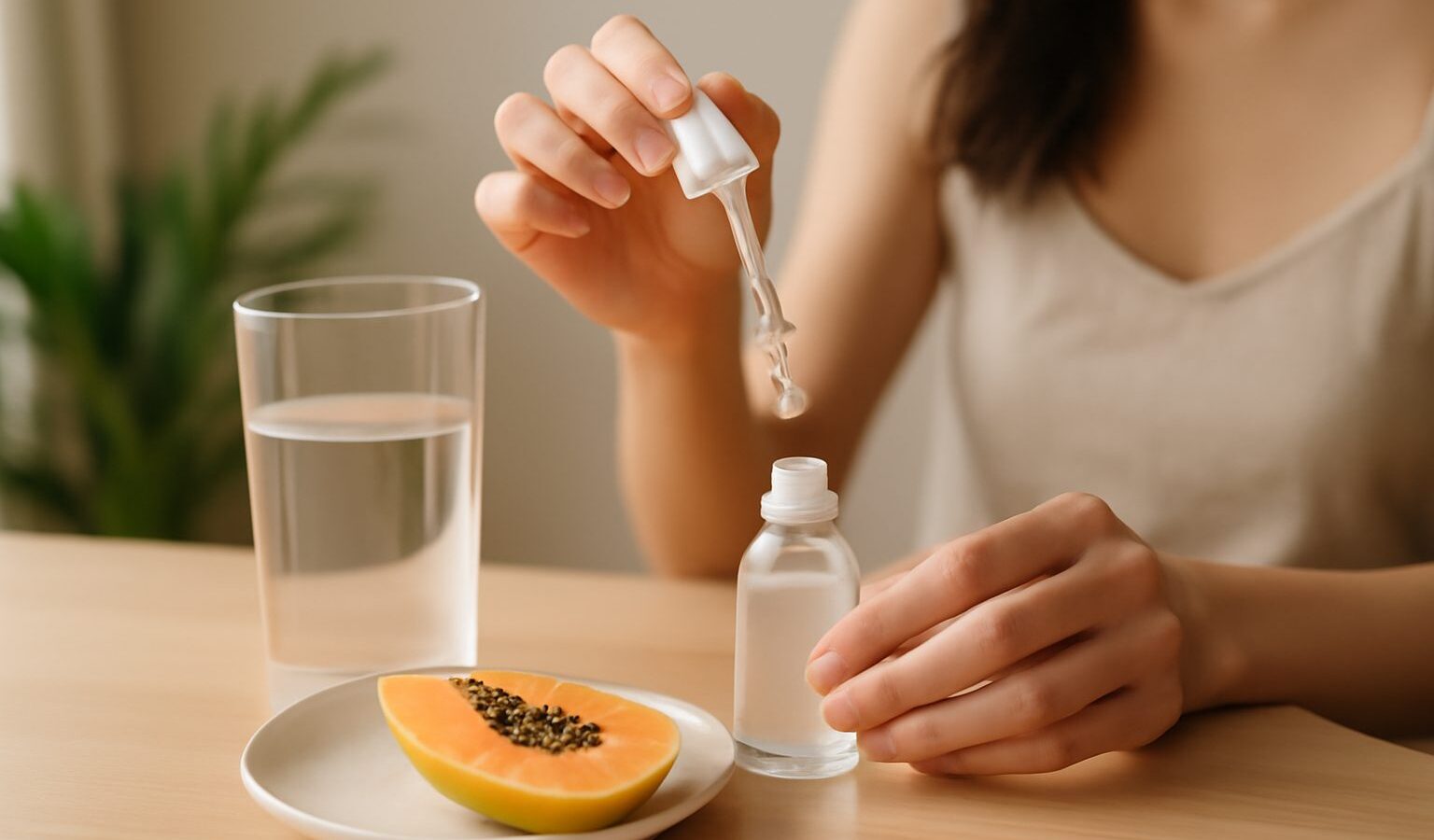
If you have shopped for skincare in the last few years, you have almost certainly seen hyaluronic acid on a label. It turns up in serums, moisturisers, sheet masks and toners, and it gets talked about like a magic ingredient. The reality is calmer and more useful than the hype. Hyaluronic acid is a hydrating ingredient that helps skin hold on to water, and used well it can leave your face looking softer and plumper. Used carelessly, especially in Singapore’s hot, humid weather, it can feel like it is doing nothing at all. This guide explains what it is, how it works, and how to fit it into a routine here.
This is general information, not medical or dermatological advice. If you have a persistent skin concern, a reaction, or you are pregnant or breastfeeding, speak to a doctor or dermatologist, and always patch-test a new product before using it on your whole face.

What Hyaluronic Acid Actually Is
Despite the name, hyaluronic acid is not an exfoliating acid like glycolic or salicylic acid. It will not sting or peel your skin. It is a humectant, which simply means a substance that attracts and binds water. Your body already makes it naturally; it sits in your skin and joints and helps keep tissues cushioned and hydrated. The version in skincare is produced in a lab and added to products to boost surface hydration.
You may also see it listed as sodium hyaluronate, which is a form that penetrates a little more easily, or as hyaluronic acid of different molecular weights. In plain terms, larger molecules tend to sit on the surface and hold water there, while smaller ones can travel a bit deeper. Many good formulas mix a few weights so you get hydration at more than one level. You do not need to memorise any of this to use it well.
How It Works On Your Skin
The idea is straightforward. Hyaluronic acid pulls water towards itself and holds it in the upper layers of your skin, which makes the surface look smoother, softer and more bouncy. Fine lines from dryness look less obvious when skin is well hydrated. It does not build collagen, bleach dark spots or treat acne, so treat it as a hydration helper rather than a cure for anything.
Here is the part people miss. A humectant draws water from wherever it can, including the deeper layers of your own skin if the air around you is dry. In a very dry environment, or in strong office air-conditioning, hyaluronic acid applied to bare skin can actually pull moisture out and leave you feeling tighter. The fix is simple: apply it to slightly damp skin so it has water to grab, then seal it in with a moisturiser on top. That one habit makes the biggest difference.
Using Hyaluronic Acid in Singapore’s Climate
Singapore is humid for most of the year, which is generally good news for a humectant because there is plenty of moisture in the air to draw on. Even so, the constant switch between muggy outdoors and cold, drying air-conditioning indoors can leave skin unsettled. A lightweight hyaluronic acid serum suits the climate well because it hydrates without the heavy, greasy feel that thicker creams can have in the heat.
A few practical pointers for local conditions:
- Apply the serum to clean, slightly damp skin, then follow with a light moisturiser or gel cream to lock the water in.
- In humidity you often need less product than the marketing suggests. A few drops is plenty; more can feel sticky and pill under sunscreen.
- If you spend long hours in air-conditioning, keep a hydrating mist or reapply moisturiser rather than piling on more serum.
- Sweat and sunscreen are part of daily life here, so choose textures that layer cleanly and do not roll off.
Hyaluronic acid does not make skin sensitive to the sun, but hydration is only half the job. Sunscreen every morning, reapplied through the day, protects all the work your routine is doing.
Where It Fits in Your Routine
Order matters with a water-loving ingredient. As a rough guide, work from thinnest to thickest texture, and put the hyaluronic acid on before you seal everything with moisturiser.
| Step | Product | Why this order |
|---|---|---|
| 1 | Gentle cleanser | Starts with a clean, bare surface |
| 2 | Damp skin or hydrating toner | Gives the humectant water to bind |
| 3 | Hyaluronic acid serum | Draws and holds moisture in the surface |
| 4 | Moisturiser | Seals the hydration so it does not evaporate |
| 5 | Sunscreen (morning only) | Protects skin and locks the routine in |
You can use hyaluronic acid morning and night. It generally plays nicely with other ingredients, including vitamin C, niacinamide and gentle exfoliating acids, which makes it an easy addition. If you use stronger actives such as retinol or an exfoliating acid, a hydrating layer can help skin feel more comfortable, but introduce those actives slowly, one at a time, and do not pile on too many at once.
Common Mistakes and How to Avoid Them
Most disappointment with hyaluronic acid comes down to a handful of avoidable habits. Watch out for these:
- Applying it to bone-dry skin in a dry room. Without water to grab, it can feel tight. Dampen skin first and always seal with moisturiser.
- Skipping the moisturiser on top. The serum holds water; the cream stops it evaporating. Together they work; alone the serum can underdeliver.
- Expecting it to do another ingredient’s job. It hydrates. It will not fade pigmentation, clear breakouts or lift wrinkles.
- Layering ten products at once. More steps do not mean more results and can lead to irritation or pilling. Keep it simple.
- Ignoring a reaction. Redness, itching or stinging is not normal for a plain hydrator. Stop, and see a doctor if it persists.
If you are unsure whether a product suits you, patch-test it on your inner arm or behind your ear for a couple of days before putting it on your face.
The Honest Bottom Line
Hyaluronic acid is a reliable, gentle hydrator that earns its place in most routines, and it suits Singapore’s climate especially well in a light, fast-absorbing form. It is not a miracle worker, and it works best as one supporting player rather than the star of a ten-step regimen. Apply it to damp skin, seal it with moisturiser, wear sunscreen daily, and keep the rest of your routine simple. If you have a specific concern such as stubborn dryness, eczema, acne or signs of ageing you want to address, a dermatologist can help you build a plan that goes beyond hydration. For everyday softness and comfort, though, a well-used hyaluronic acid serum is one of the easier wins in skincare.
Frequently Asked Questions
Can I use hyaluronic acid with retinol or vitamin C? Usually yes. Hyaluronic acid plays well with vitamin C, niacinamide and gentle exfoliating acids, and a hydrating layer can make stronger actives like retinol feel more comfortable. Bring in strong actives slowly, one at a time, rather than all together.
Does hyaluronic acid really help oily skin? Yes, because oily skin can still be dehydrated. Oil and water are different things, and a light hyaluronic acid serum adds hydration without a greasy feel. Follow with a gel-type moisturiser so the water stays in.
Is hyaluronic acid serum safe to use every day, morning and night? For most people it is fine twice daily, since it is gentle and does not exfoliate. A few drops are enough in humid weather. If you notice redness, itching or stinging, stop, because that is not normal for a plain hydrator.
What is the difference between hyaluronic acid and sodium hyaluronate? Sodium hyaluronate is a salt form of hyaluronic acid that can penetrate a little more easily. Both hydrate in the same basic way by attracting water. Many good products mix different molecular weights, so you do not need to choose between them.
Why does my skin feel tighter after using hyaluronic acid? It is often because the serum went onto dry skin in dry air, so it pulled moisture from deeper layers. Apply it to slightly damp skin and seal with moisturiser on top. This is especially helpful in strong air-conditioning.
Further reading: Mandelic Acid for Sensitive Skin · Polyglutamic Acid for Hydration