
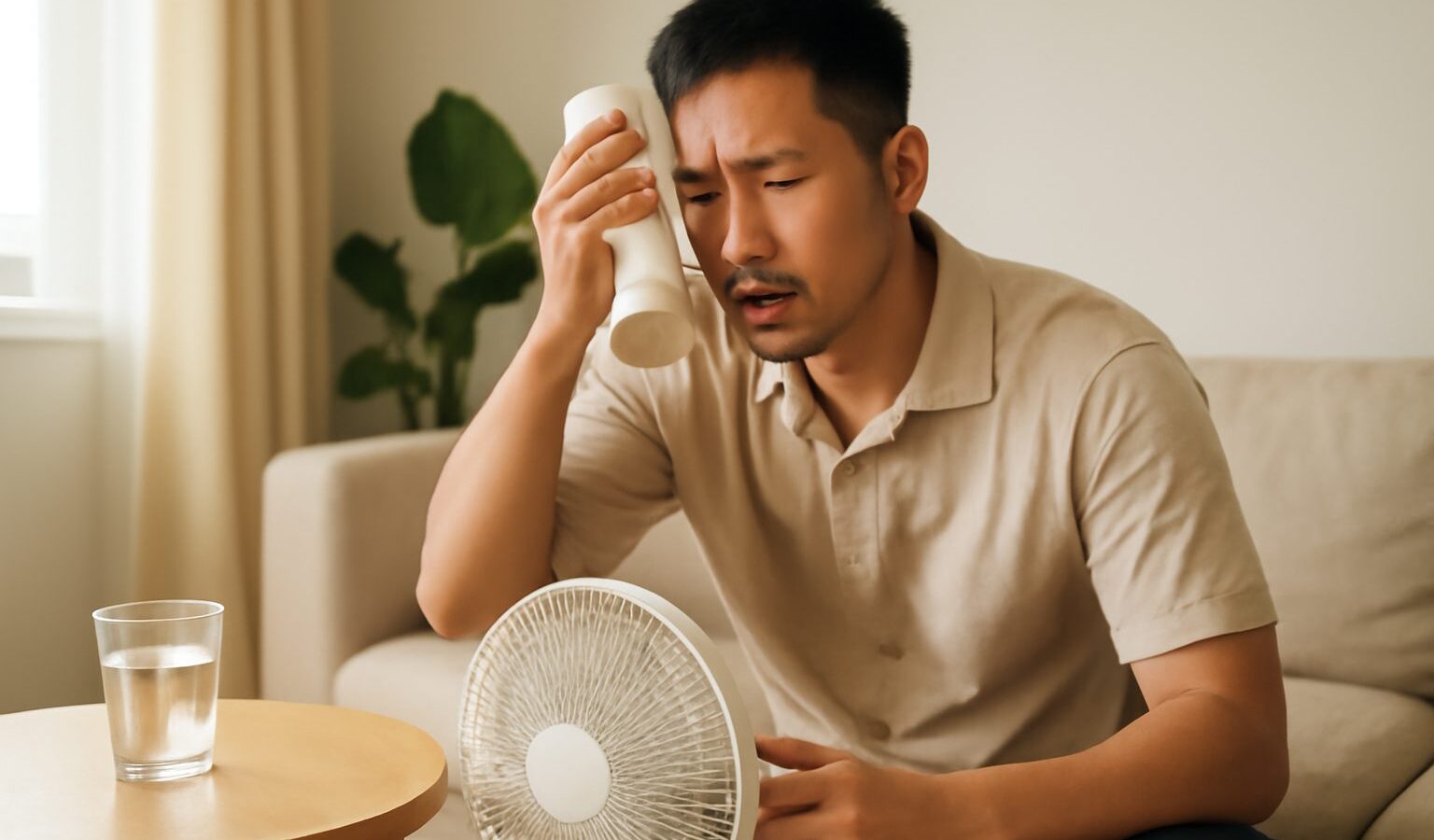
In a hot, humid climate, sweating is normal and healthy: it is how our bodies cool down. But for some people, sweating goes beyond what the weather calls for, soaking through shirts or leaving palms damp even in air conditioning. Living with excessive sweating singapore residents may find frustrating, especially when it affects clothes, grip, or confidence. This article shares general lifestyle and product information only. It is not medical advice, and it is not a substitute for seeing a doctor, because excessive sweating can sometimes have underlying medical causes.
Understanding Everyday Sweat Versus Something More
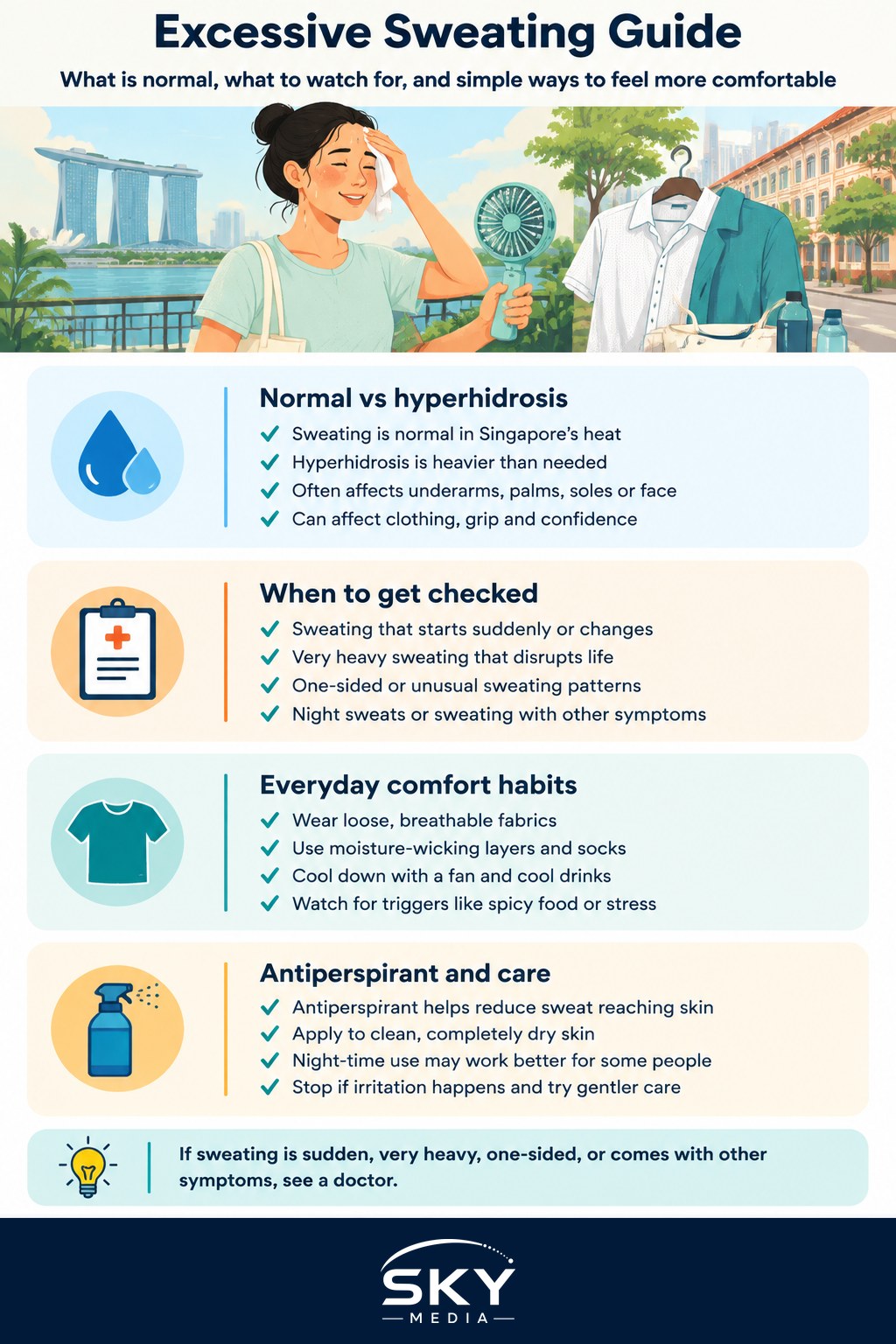
Everyone sweats more in the tropics, and that is completely expected. The term hyperhidrosis is used when sweating is heavier than the body needs for cooling, and it commonly affects areas like the underarms, palms, soles, or face. It can be uncomfortable and can affect daily life, from handshakes to holding a phone.
It helps to know the difference between ordinary heavy sweating and a pattern worth getting checked. Please treat the following as reasons to see a doctor rather than as a self-diagnosis:
- Sweating that comes on suddenly or has clearly changed from your normal.
- Sweating that is very heavy, drenching, or disrupts your work, sleep, or daily activities.
- Sweating on one side of the body only, or in an unusual pattern.
- Night sweats, or sweating alongside weight loss, fever, a racing heart, or feeling generally unwell.
Any of these deserve a proper assessment. A doctor can look at possible causes and advise on treatment options, which are for a medical professional to recommend rather than something to choose from an article. Nothing here should replace that conversation.
Everyday Lifestyle Habits That Can Help
For general day-to-day comfort, small habits often make a noticeable difference. These are simple, low-risk things many people find useful, and they are about comfort and confidence rather than treating a condition.
- Dress for the climate. Loose, breathable natural fabrics like cotton and linen let air move and dry faster than tight synthetics. Darker colours or patterns hide marks better than pale solids, and a spare top for long days can be reassuring.
- Layer smartly. A thin merino or moisture-wicking base layer can pull dampness away from the skin. Breathable footwear and moisture-wicking socks help with sweaty feet, and rotating shoes so they dry fully between wears keeps them fresher.
- Cool down where you can. Moving between Singapore’s heat and strong aircon is a lot for the body. A handheld fan, a cool drink, and staying hydrated all help your natural cooling work more comfortably.
- Notice your triggers. For some people, spicy food, caffeine, alcohol, and stress can ramp up sweating. Paying attention to your own patterns can help you plan around them.
- Manage stress and heat together. Because nerves and heat can both bring on sweat, calming routines may take the edge off stressful moments. Our guides on managing stress and relaxation and breathwork and relaxation techniques offer gentle everyday tools.
None of these will suit everyone, and they are not cures. They are simply everyday adjustments that many people find make hot, humid days more manageable.
Antiperspirants, Products, and Sensible Care
For underarm sweat and odour, an antiperspirant is different from a deodorant. A deodorant tackles smell, while an antiperspirant contains ingredients designed to reduce the amount of sweat that reaches the skin surface. Many people find that applying antiperspirant to clean, thoroughly dry skin, and doing so at night before bed rather than only in the morning, works better, since it has time to take effect while you are cooler and less active.
A few gentle pointers:
- Apply to completely dry skin to reduce stinging and improve how it works.
- If a product irritates your skin, stop using it and consider a gentler formula. Patch-testing a new product on a small area first is always sensible.
- Keep the skin clean and dry through the day, and change out of damp clothes when you can to reduce odour and skin irritation.
- Body powders and sweat-absorbing insoles can add comfort for feet and other areas.
For managing the smell side of things specifically, our guide to managing sweat and body odour has more detail on hygiene and product choices.
It is worth being clear about limits. Over-the-counter products help many people with everyday sweat, but if your sweating is heavy, persistent, or affecting your quality of life, that is a signal to see a doctor rather than to keep experimenting on your own. There are recognised medical approaches for troublesome sweating, but which, if any, is appropriate is a decision for a qualified professional who can examine you and consider your health history.
When to See a Doctor
To sum up gently: sweating in Singapore’s climate is normal, and simple lifestyle and product habits go a long way for everyday comfort. But excessive sweating can occasionally point to something that needs proper attention. If your sweating is sudden, very heavy, one-sided, comes with other symptoms, or is affecting your daily life and confidence, please book an appointment with a doctor. They can rule out underlying causes and talk you through the treatment options that suit you. Taking that step is not an overreaction. It is the sensible way to get answers and the right care.
Frequently Asked Questions
Does hyperhidrosis run in families? It can, since some forms of heavy sweating appear to be more common in certain families. That does not mean everyone with a relative who sweats heavily will develop it. A doctor can look at your own history and tell you whether anything needs checking or treating.
Why do my palms and feet sweat even when I am calm? Sweat glands on the palms and soles respond to nerves and emotions as well as heat, and in some people they stay overactive without any obvious trigger. This is a recognised pattern, not a hygiene failing. If it disrupts grip, work or confidence, a doctor can discuss options.
Which workwear fabrics hide sweat marks best? Darker colours and busy patterns hide damp patches better than pale solids, and mid-tone greys are usually the least forgiving. Breathable weaves in cotton, linen or moisture-wicking blends dry faster. A thin base layer under a shirt can also stop marks soaking through.
Can I use antiperspirant on my hands and feet? Many people use antiperspirant on feet, but products are made for specific areas, so read the label before using one on palms or broken skin. Stop if the skin stings or becomes red. For stubborn hand or foot sweating, ask a doctor or pharmacist what suits you.
Which type of doctor should I see for excessive sweating? Start with a regular GP, who can check for underlying causes and refer you onwards if needed. Dermatologists often see sweating concerns too. Note when the sweating happens and any other symptoms before your visit, so the consultation goes faster.