
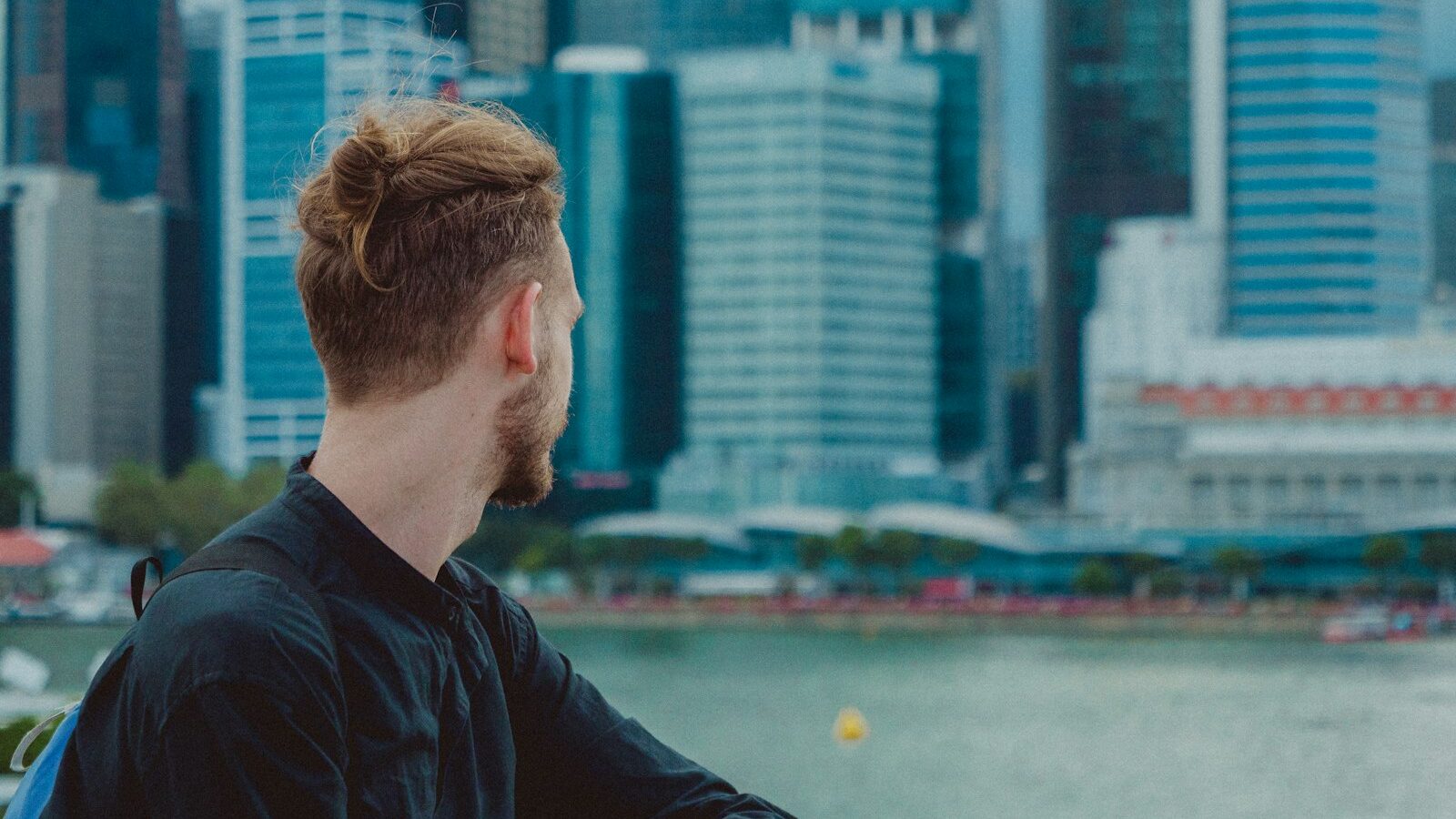
Stress is part of life, and a little of it is normal, even useful. It gets us to deadlines and helps us rise to a challenge. The problem is when it never switches off. Managing stress in Singapore has its own flavour: a fast-moving city, long working hours, packed commutes, exam pressure and the constant hum of comparison online. Left unchecked, that background tension seeps into your sleep, your mood and even your skin. The good news is that relaxation is a skill you can practise, and small daily habits often help more than grand gestures. This is general wellbeing information, not medical advice. If stress feels persistent or overwhelming, please reach out to a doctor.
What Stress Really Is
Stress is your body’s response to demands and pressure. In short bursts, it sharpens your focus and gives you energy. Your heart beats a little faster, your mind narrows onto the task, and once the pressure passes, you settle back down. That is a healthy cycle.
Trouble starts when the pressure never lets up and your body stays switched on. Ongoing stress can show up as tension headaches, a tight jaw or shoulders, trouble sleeping, irritability, a racing mind, or feeling drained even after a rest. Some people notice it in their skin, with more breakouts or flare-ups during busy stretches. Recognising your own early signs is powerful, because the sooner you notice tension building, the easier it is to release before it snowballs.
Everyday Ways to Lower the Pressure
You do not need to overhaul your life to feel calmer. The most reliable relief comes from small, repeatable habits woven into an ordinary day.
- Take real micro-breaks. A few minutes away from your screen, a short walk to the pantry or a stretch between meetings resets your focus more than powering through.
- Move your body. A brisk walk around the estate, a swim at the community pool, a dance video or a yoga session all burn off nervous energy and lift your mood.
- Step outside. Even a short spell in a park, a green corridor or under some trees helps the mind unclench. Nature has a genuinely calming effect.
- Protect your downtime. Guard a little time each day that is not work, chores or scrolling. Read, cook, potter about, or simply do nothing on purpose.
- Stay connected. A chat with a friend, a meal with family or a message to someone who gets you eases the load. Isolation makes stress heavier.
None of these are dramatic. That is the point. Calm is built from ordinary moments repeated often, not from one big escape you take twice a year.
Simple Relaxation Techniques to Try
Relaxation techniques are tools you can reach for when tension spikes. They cost nothing, need no equipment, and improve with practice. Try a few and keep the ones that click for you.
- Slow breathing. Breathe in gently, let the out-breath be a touch longer, and repeat for a minute or two. A longer exhale helps signal your body to ease off.
- Grounding with your senses. Notice five things you can see, four you can hear, three you can touch. This pulls a spinning mind back to the present.
- Releasing muscle tension. Slowly tense and then relax each part of your body, from your shoulders to your feet, letting the tightness go.
- A short mindful pause. Sit quietly and follow your breath for a few minutes. When your mind wanders, and it will, gently bring it back without judgement.
- A quiet ritual. A warm drink, a few pages of a book or a slow tidy of your desk can mark the shift from a hectic mode into a calmer one.
The aim is not to empty your mind or feel blissful on cue. It is simply to give your nervous system a signal that it is safe to soften, a few times a day.
Building Relaxation Into a Busy Singapore Week
Knowing what helps is easy. Making room for it in a full schedule is the real challenge. The trick is to attach calm to things you already do rather than searching for spare hours you do not have.
Try pairing a relaxation habit with an existing routine. Breathe slowly for a minute while the kettle boils. Take three grounding breaths before you open your laptop. Walk one MRT stop further and enjoy the movement. Put your phone to bed in another room so the evening feels genuinely off. These anchors make new habits far more likely to stick than relying on willpower alone.
It also helps to lower the pressure you put on yourself. You will not relax perfectly, and some days will simply be hard. Managing stress is not about erasing it, but about giving yourself regular chances to recover so it does not pile up unmanaged.
Comparing Ways to Unwind
Different situations call for different tools. A two-minute reset at your desk is not the same as a proper day off. Here is a rough guide to matching the method to the moment.
| Method | Time needed | Best for | Note |
|---|---|---|---|
| Slow breathing | 1 to 2 minutes | A sudden spike of tension | Discreet, works anywhere |
| A short walk outside | 10 to 20 minutes | A foggy, restless afternoon | Movement plus fresh air |
| Time with people | An hour or more | Loneliness, heavy weeks | Choose supportive company |
| A gentle self-care ritual | 30 to 60 minutes | Winding down at night | Builds a calming routine |
| A full rest day | A whole day | Burnout building up | Protect it in advance |
Quick tools handle the daily spikes, while longer resets refill the tank. You need both. Relying only on the occasional big break, with nothing in between, tends to leave you running on empty most of the time.
When to Seek More Help
Everyday stress usually eases with rest, movement and support. But stress is not something to simply tough out when it becomes constant. Please reach out to a doctor if stress or anxiety is persistent, if it disrupts your sleep, appetite or relationships, if you feel overwhelmed most days, or if you are relying on unhealthy ways to cope. These are common experiences, and help works.
If you are in real distress, or worried about yourself or someone else, please do not wait. Look up the current Singapore mental-health helplines online, as the numbers change from time to time and are best checked fresh, and speak to a doctor or counsellor. Asking for help is a sign of strength, not weakness, and support is there for exactly these moments.
Relaxation is not a reward you earn only after everything is done. It is part of how you stay well enough to keep going. Start with one small habit today, be patient with yourself, and let calm become something you practise rather than chase.
Explore more
If a busy mind keeps you up at night, our guide to building a better sleep routine in Singapore pairs naturally with this one. To calm tension in the moment, the exercises in breathwork and relaxation techniques are a gentle place to start, and for a proper reset, a soothing foot care and reflexology session can melt away a hard week.