
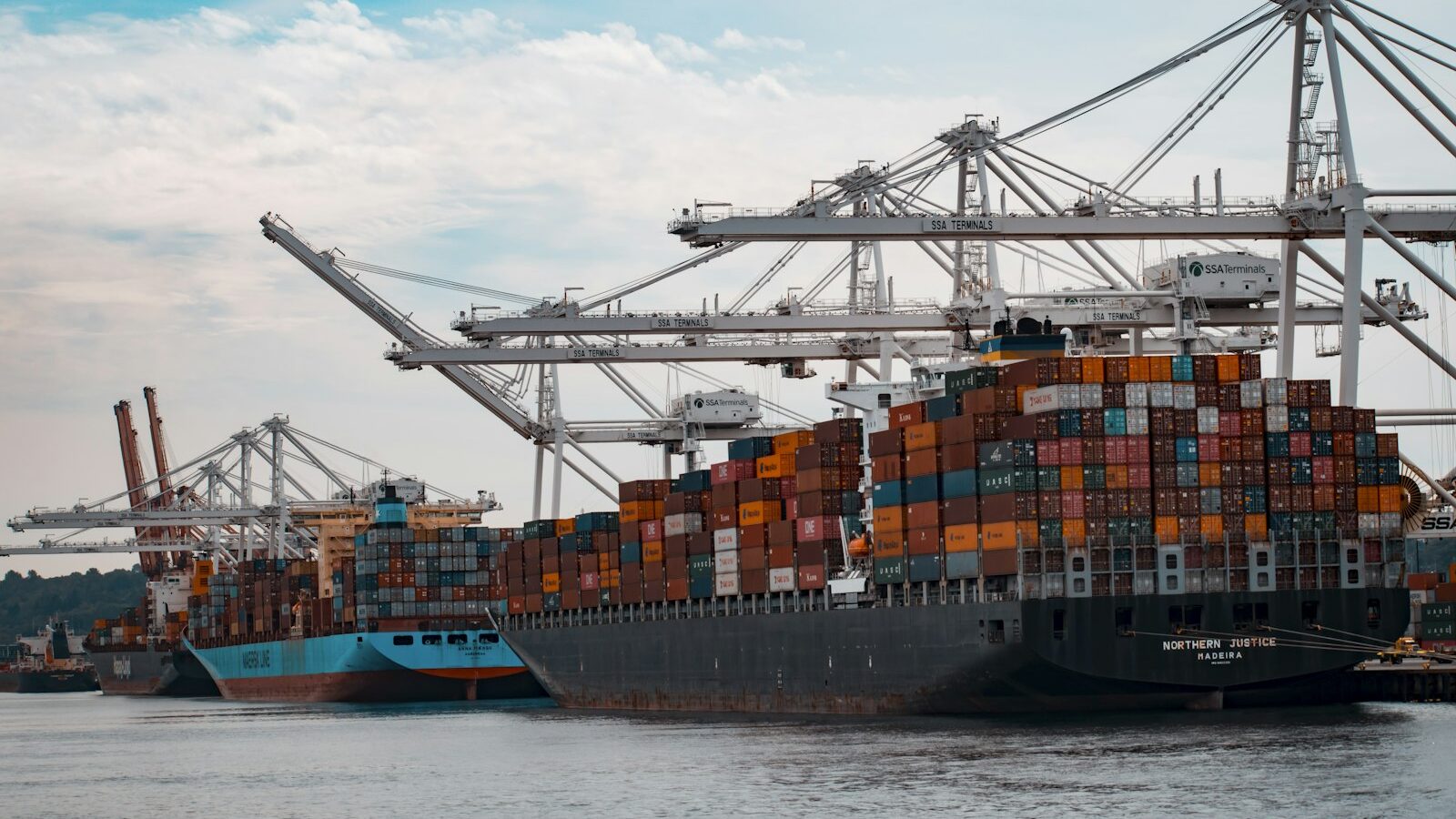
For businesses trading goods across borders, understanding import and export basics is essential. This guide covers how trade works, key requirements and considerations, and getting started. This is a general overview; refer to Singapore Customs and official sources for specifics.
Trade and Singapore
As a major trade and logistics hub, Singapore offers a strong environment for businesses involved in importing and exporting goods. For businesses that bring goods into Singapore (import) or send goods out (export), understanding the basics of how cross-border trade works, and the requirements and considerations involved, is essential to operate compliantly and effectively. Import and export involve various processes, rules, documentation and considerations, from customs requirements and permits to logistics and compliance. Given Singapore’s role as a trade hub, the infrastructure and systems supporting trade are well-developed, but businesses must still understand and follow the applicable requirements. Understanding the context of trade and Singapore, that it is a strong trade hub but that importing and exporting still involve requirements and considerations to follow, helps you approach cross-border trade ready to learn the basics and comply with the rules, so your business can engage in import and export effectively and compliantly, making use of Singapore’s trade-friendly environment.
How import and export work
| Element | Broadly |
|---|---|
| Customs requirements | Rules and procedures for trade |
| Permits and documentation | Required approvals and paperwork |
| Duties and regulations | Applicable charges and rules |
| Logistics | Moving goods across borders |
Import and export generally involve several elements. Customs requirements and procedures govern the movement of goods across borders, and businesses must comply with these. Permits and documentation are typically required for importing and exporting goods, with specific requirements depending on the goods and situation. Duties, taxes and regulations may apply depending on the goods, their nature and origin or destination. Logistics, the practical movement, handling and shipping of goods, is a key part of trade. Certain goods may be subject to particular controls or restrictions. Because these requirements are set by the authorities and depend on the specifics, referring to official sources is essential. Understanding broadly how import and export work, customs requirements, permits and documentation, duties and regulations, and logistics, helps you grasp the key elements involved in cross-border trade, while relying on Singapore Customs and official sources for the specific requirements, procedures and rules that apply to your goods and situation.
Key considerations
Import and export involve several key considerations for businesses. Compliance is paramount: understanding and following customs requirements, obtaining necessary permits, providing correct documentation, and adhering to regulations are essential, as non-compliance can cause delays, penalties or other problems. The specific requirements for your goods matter, as different goods, and certain controlled or restricted items, have different rules. Costs, including duties, taxes, logistics and compliance, affect the viability of trade. Logistics and reliable handling of goods are practical necessities. Understanding the rules for the countries and goods involved is important. Because the details are specific and regulated, official sources and professional or logistics expertise help. Understanding these key considerations, compliance, goods-specific requirements, costs, and logistics, helps you approach import and export responsibly and effectively, so your business can trade across borders in a compliant, well-managed way, while relying on official sources and appropriate expertise for the specifics that apply to your trade.
Getting started
For a business getting started with import or export, some groundwork helps. Understand the basics of cross-border trade and the requirements relevant to your goods and situation, using official sources such as Singapore Customs for authoritative information on customs, permits, documentation and regulations. Ensure your business is properly set up and registered as needed for trade activities. Get to grips with logistics, how you will move and handle goods, potentially working with logistics providers. Factor in the costs and requirements when planning your trade. Consider seeking guidance or expertise, as trade compliance and logistics can be complex. Understanding how to get started, learning the requirements via official sources, setting up properly, arranging logistics, and factoring in costs, helps you begin importing or exporting on a sound, compliant footing, so your business can engage in cross-border trade effectively, with the necessary understanding, setup and support in place, while relying on official guidance for the specifics.
Trading effectively
Beyond the basics, trading effectively across borders involves managing the practical and strategic aspects of import and export well over time. This includes maintaining compliance with evolving requirements, managing logistics and costs efficiently, building reliable processes and relationships with logistics and trade partners, and understanding the markets and rules relevant to your trade. Staying informed about requirements and changes, and building expertise or working with knowledgeable partners, supports effective trade. Combining sound compliance with efficient logistics and good business practice enables your trade to run smoothly and profitably. Understanding how to trade effectively, maintaining compliance, managing logistics and costs, building reliable processes and partners, and staying informed, helps you go beyond simply meeting requirements to running your import and export activities well, so your business can trade across borders in a compliant, efficient and sustainable way, making the most of Singapore’s position as a trade hub while managing the real demands of cross-border trade.
The takeaway
For businesses trading goods across borders, understanding import and export basics is essential, and Singapore’s strong trade-hub environment supports such activity, though the applicable requirements must still be followed. Import and export generally involve customs requirements, permits and documentation, duties and regulations, and logistics, with specifics depending on the goods and situation. Key considerations include compliance, goods-specific requirements, costs, and logistics. Getting started involves learning the requirements via official sources, setting up properly, arranging logistics, and factoring in costs, while trading effectively over time means maintaining compliance and managing logistics and processes well. This is a general overview; always refer to Singapore Customs and official sources, and appropriate expertise, for the specifics that apply to your trade.
Explore more: Setting up an e-commerce business · Business licences and permits in Singapore · Singapore as a trade and port hub