
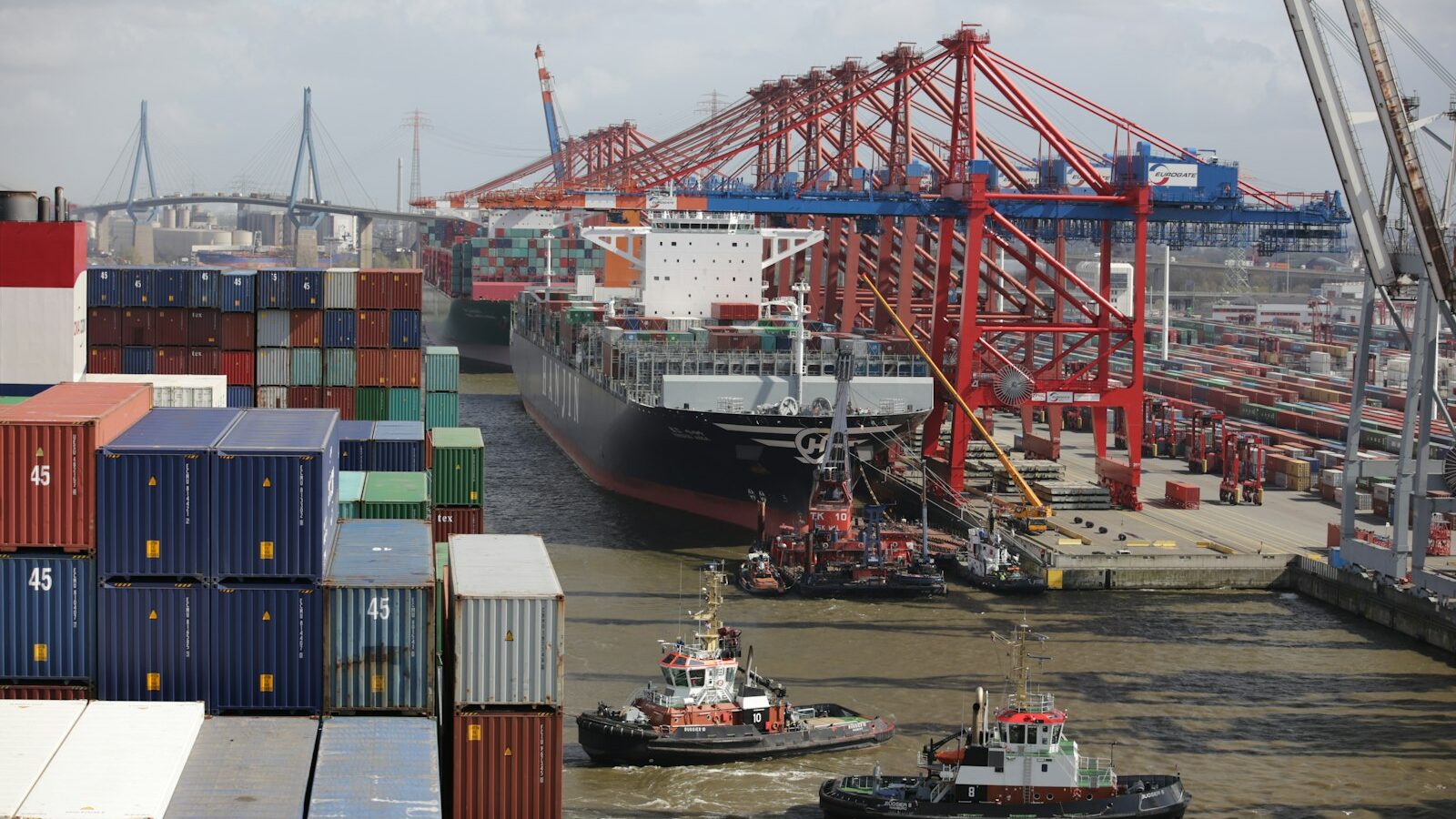
Singapore’s status as a leading global trade and port hub is central to its economy and history. This explainer covers its strategic location, the port, its role in global trade, and why this status matters. This is a general overview.
Strategic location and history
Singapore’s status as a trade and port hub is rooted in its strategic geographical location along major maritime routes in Southeast Asia, a position that has made it a natural point for trade, shipping and the movement of goods for a very long time. Historically, Singapore developed as a trading port, and this role has been central to its economy and growth throughout its history. Its location, near key shipping lanes and at a crossroads of trade, has enabled it to become a leading hub for maritime trade, logistics and connectivity. This heritage as a trading port is fundamental to understanding Singapore’s economy and identity. Understanding the strategic location and history illuminates the foundations of Singapore’s status as a trade and port hub, and why trade and shipping have long been, and remain, central to the nation.
The port of Singapore
| Aspect | Broadly |
|---|---|
| Major port | One of the world’s leading ports |
| Shipping hub | A key node in global shipping |
| Transhipment | Handling goods in transit |
| Connectivity | Extensive links worldwide |
The port of Singapore is one of the world’s leading and busiest ports, a central pillar of the nation’s status as a trade and shipping hub. It handles a vast volume of cargo and shipping, serving as a key node in global maritime trade and logistics, including significant transhipment activity, where goods are handled in transit between vessels and routes. The port’s extensive connectivity, efficiency and capabilities have made it a vital hub linking Singapore to markets and routes worldwide. The port is thus central to the nation’s role in global trade and to its economy. Understanding the port of Singapore illuminates the core of the nation’s status as a trade and shipping hub, and the scale, connectivity and efficiency that have made it one of the world’s leading ports and a vital link in global maritime trade.
Role in global trade
Singapore plays a significant role in global trade, functioning as a key hub for the movement of goods, shipping, logistics and connectivity between markets and regions. Its port, connectivity, infrastructure and pro-trade environment have made it an important node in global supply chains and trade flows, facilitating the movement and transhipment of goods worldwide. Beyond shipping, Singapore is also a hub for trade-related activities, logistics, services and connectivity more broadly. This role in global trade reflects and reinforces the nation’s status as a trade hub and its deep integration into the global economy. Understanding Singapore’s role in global trade illuminates how the nation functions as a vital hub in the movement of goods and in global supply chains, and how this role, built on its location, port and connectivity, is central to its economy and its integration into the world.
An open, trade-oriented economy
Singapore’s status as a trade and port hub is closely tied to its identity as an open, trade-oriented economy. With a small domestic market, Singapore has long embraced openness to trade, investment and the global economy as central to its prosperity. Its role as a trade and shipping hub, its connectivity, and its pro-business, pro-trade environment reflect and support this economic model. Trade, logistics and related activities are important contributors to the economy, and the nation’s openness and connectivity are among its key economic strengths. This trade-oriented model has been central to Singapore’s economic success. Understanding this illuminates how the nation’s status as a trade and port hub fits within its broader economic identity as an open, connected, trade-oriented economy, and why openness and connectivity are so valued and central to Singapore’s prosperity.
Why it matters
Singapore’s status as a trade and port hub matters because it is central to the nation’s economy, prosperity and identity. Trade, shipping, logistics and connectivity are important contributors to the economy and to the nation’s integration into the global economy, on which its prosperity significantly depends. The port and the nation’s role in global trade also enhance Singapore’s connectivity, relevance and standing in the world. As an open, trade-oriented economy with a small domestic market, Singapore’s prosperity is closely linked to its role as a hub for trade and connectivity. Understanding Singapore as a trade and port hub fosters informed awareness of a central pillar of the nation’s economy and identity, and of the importance of trade, shipping and connectivity to its prosperity and its place in the global economy.
The takeaway
Singapore’s status as a leading global trade and port hub is central to its economy, history and identity, rooted in its strategic location along major maritime routes and its long heritage as a trading port. The port of Singapore is one of the world’s leading and busiest, a vital node in global shipping and transhipment, and the nation plays a significant role in global trade, logistics and connectivity. This status is closely tied to Singapore’s identity as an open, trade-oriented economy, and it matters because trade and connectivity are central to the nation’s prosperity and integration into the global economy. Understanding Singapore as a trade and port hub illuminates a central pillar of its economy and its place in the world.
Explore more: Changi and Singapore’s aviation hub · Singapore’s foreign policy explained · Singapore and ASEAN