
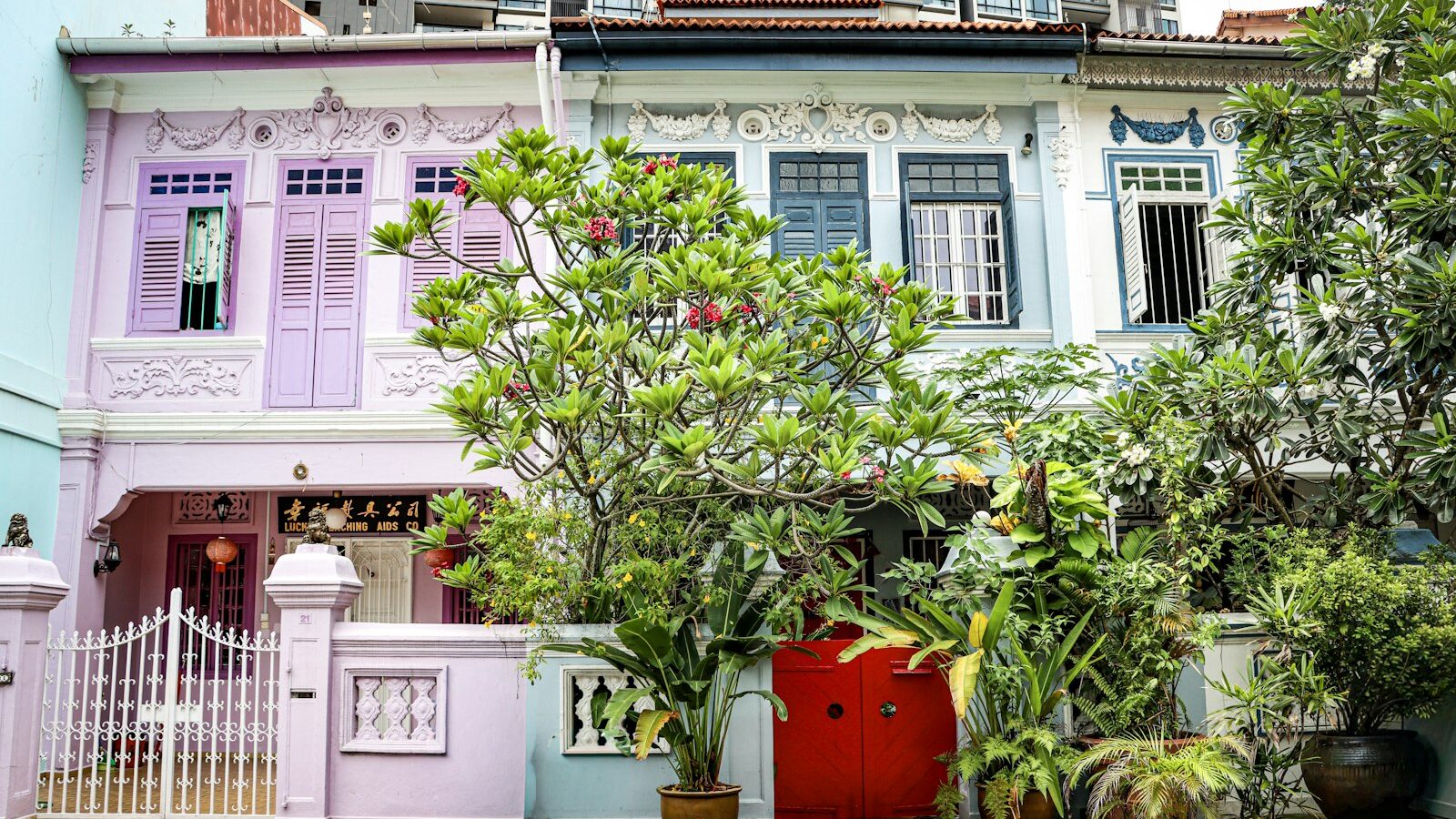
When renovating or decorating, choosing a design style gives your home a cohesive, intentional look. Singapore homes, often compact, favour styles that feel light, functional and calming. This guide introduces popular interior design styles and how to pick one that suits your space and taste.
Why a style helps
Choosing an interior design style, even loosely, brings coherence to your home. Rather than a collection of mismatched pieces, a guiding style helps you make consistent choices about colours, materials and furniture, resulting in a space that feels considered and harmonious. It also makes decisions easier, giving you a framework to work within. You do not have to follow a style rigidly, and blending elements is common, but having a general direction helps your home feel intentional and put-together. For compact Singapore homes especially, a thoughtful style can make a space feel larger, calmer and more functional.
Popular styles
- Minimalist, clean lines, uncluttered spaces and a pared-back palette, popular for making small homes feel open and calm.
- Scandinavian, light woods, soft neutrals and cosy functionality, warm yet simple.
- Muji-inspired or Japandi, blending Japanese and Scandinavian simplicity, natural materials and calm.
- Industrial, exposed elements, raw materials and an urban, edgy feel.
- Modern contemporary, sleek, current and adaptable.
- Resort or tropical, natural textures and a relaxed, holiday-like feel.
Each style has its own character, and many Singapore homes lean towards the lighter, simpler styles that suit compact spaces.
Choosing what suits you
| Consideration | What to think about |
|---|---|
| Your taste | The look and feel you genuinely love |
| Your space | Styles that suit compact or larger homes |
| Your lifestyle | Practicality for how you live |
| Maintenance | How easy it is to keep up |
| Longevity | Whether it will still appeal in years |
Choose a style based on what you genuinely love, how it suits your space and lifestyle, and whether it will stand the test of time. For small homes, lighter, minimalist-leaning styles often work well, while larger spaces can carry bolder looks. Consider practicality and maintenance too, since a beautiful style that is hard to keep clean may frustrate you day to day.
Making it work in compact homes
Many Singapore homes, particularly HDB flats, are compact, so styles that maximise light, space and functionality are especially popular. Light colours, clever storage, multifunctional furniture and uncluttered layouts all help small homes feel larger and more comfortable. Minimalist, Scandinavian and Japandi styles align naturally with these goals, which is part of their popularity here. Whatever style you choose, adapting it to prioritise space efficiency and light will serve a compact home well, ensuring it feels open and liveable rather than cramped.
Blending styles and personal touches
You do not have to follow a single style rigidly. Many people blend elements, taking the clean lines of minimalism with the warmth of Scandinavian wood, for example, to create a look that is their own. The goal is a home that feels cohesive and reflects your personality, not a showroom copy. Personal touches, from artwork to plants to meaningful objects, bring warmth and individuality. Use a style as a helpful guide rather than a strict rulebook, and let your home evolve to suit how you actually live and what brings you joy.
The takeaway
Choosing an interior design style gives your home coherence and makes decorating decisions easier, resulting in a space that feels intentional and harmonious. Popular styles for Singapore homes, from minimalist and Scandinavian to Japandi and industrial, offer distinct characters, with the lighter, simpler styles particularly suited to compact spaces. Choose based on your genuine taste, your space and your lifestyle, adapt it for functionality in smaller homes, and feel free to blend elements and add personal touches. With a guiding style and your own personality woven in, you can create a home that is both beautiful and truly yours.
Common mistakes to avoid
Even with a clear style in mind, a few common missteps can leave a home feeling less cohesive than intended. Being aware of them early saves both money and frustration once the renovation is underway.
- Chasing trends over longevity, a look that feels fresh today may date quickly. Reserve of-the-moment touches for items that are easy to change, such as cushions, art or lighting, and keep big-ticket elements like flooring and built-in carpentry more timeless.
- Ignoring scale, oversized sofas or bulky units can overwhelm a compact HDB flat or condo. Measure your space and map out furniture footprints before committing, leaving clear walkways so rooms do not feel cramped.
- Copying a showroom exactly, a perfectly styled reference image rarely accounts for how you actually live. Adapt ideas to your storage needs, daily routines and the amount of natural light your unit receives.
- Underestimating lighting, the right style can fall flat under harsh or insufficient lighting. Layer ambient, task and accent lighting to suit the mood each style calls for.
- Over-theming, leaning too hard into one look, whether industrial or tropical, can feel like a stage set. A few restrained touches usually read as more considered than a room that repeats the same motif everywhere.
Treat these as gentle guardrails rather than hard rules. The aim is a home that stays comfortable and functional long after the initial excitement of a fresh renovation has settled.
Bringing your style to life
Once you have settled on a direction, the next step is deciding how to execute it. Many Singapore homeowners work with an interior designer, who typically handles the overall concept, space planning, material selection and project coordination, while others engage a renovation contractor directly for a more hands-on, budget-led approach. Some combine both, using a designer for the vision and a contractor for the build. Whichever route you take, ask to see a portfolio, get itemised quotations, and clarify timelines and after-sales support in writing before signing anything.
If you live in an HDB flat, renovation works are subject to guidelines, and certain jobs, such as hacking, must be carried out by a contractor listed under HDB’s Registered Renovation Contractors’ Scheme, with the necessary permits approved before work begins. Rules also cover permitted working hours and the types of work allowed, so check with HDB for the current requirements that apply to your flat. Condo and private property owners should confirm renovation rules and any deposit or approval processes with their MCST or managing agent. Building in these practical steps early keeps your project on the right side of the regulations and helps your chosen style come together smoothly, without costly surprises midway through the works.
Explore more: Small-space living: space-saving ideas · Home decor and lighting: a guide · Renovating your HDB flat