
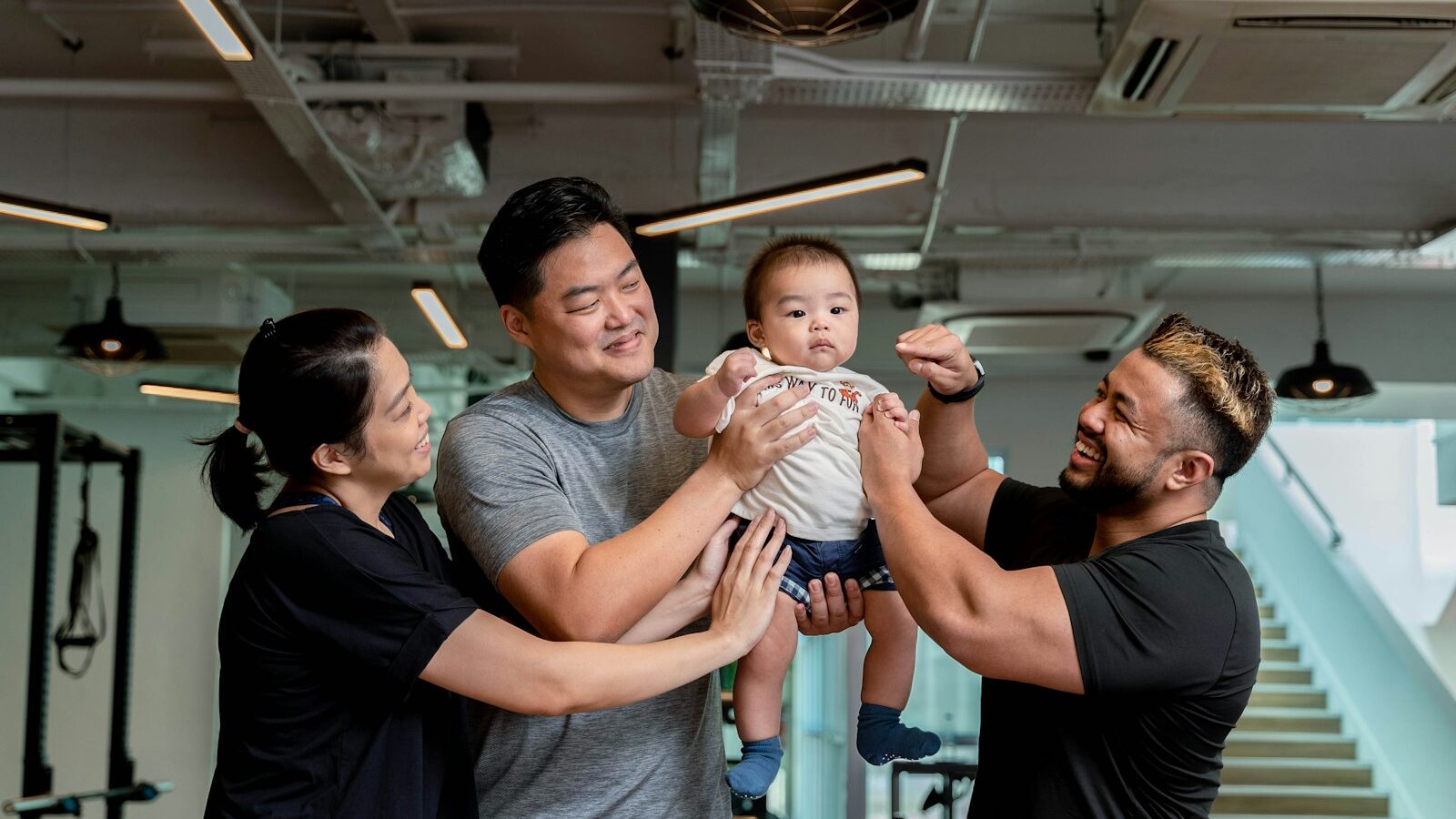
Fathers today want to be close to their children, not on the sidelines, and children thrive on that closeness. Yet many households still slip into a pattern where one parent runs the daily routines and the other steps in when asked. Involved dads Singapore families are seeing more of are not doing anything extraordinary; they are simply owning the ordinary moments, from the morning rush to the bedtime story. This guide offers warm, practical ways for dads to be hands-on every day, and for the whole family to make room for it, with no judgement about how any home divides its roles.
Every family is different, and there is no single right way to share the parenting. Take what fits your home and leave the rest.
Why Everyday Involvement Matters
Children build their sense of security through the small, repeated moments: being fed, bathed, comforted, and played with. When a dad is part of these everyday routines, and not only the fun weekend outings, he becomes a steady, trusted presence rather than a treat. That closeness is good for children and good for dads, who often say the ordinary moments are where the real bond grows.
Everyday involvement also lightens the whole household. When both parents can handle bath time, a school run, or a midnight wake-up, no single person is stretched too thin. It builds a child’s confidence that either parent can meet their needs, which helps enormously on the days when one parent is away, unwell, or simply worn out.
None of this is about keeping score or hitting a perfect fifty-fifty split. It is about a dad being genuinely woven into daily life, in whatever shape works for your family.
Moving Past “Helping” to Sharing
Language shapes how we think. When a dad says he is “helping out” or “babysitting his own kids”, it quietly frames the children as mainly the other parent’s job. Shifting from helping to sharing means taking full ownership of parts of the routine, not waiting to be asked or directed.
The difference shows up in the mental load. A parent who merely helps waits for instructions: which bag to pack, when the nap is, what the child eats. A parent who shares carries that knowledge himself and simply gets on with it. That shift frees the other parent from being the household manager and lets both parents feel like equals.
A gentle way to make the shift:
- Pick one or two areas to fully own, such as the morning routine or bedtime, and learn every detail yourself.
- Keep the small facts in your own head: shoe sizes, favourite foods, the doctor’s name, the nap window.
- Resist the urge to hand the child back the moment things get tricky; working through a tantrum builds real confidence.
- Talk openly with your partner about handing over a whole area, so you are not stepping on each other.
Practical Ways Dads Can Step In
Getting hands-on is less about grand gestures and more about claiming the daily moments. The routines below are easy places to start, and children love the variety of being cared for by both parents in slightly different ways.
The table gives a few everyday moments and simple ways for a dad to own them, rather than assist with them.
| Everyday moment | Helping looks like | Owning it looks like |
|---|---|---|
| Morning routine | Being told what to pack | Dressing, feeding and packing the bag yourself |
| Bath and bedtime | Watching, then handing over | Running the whole wind-down, story and lights-out |
| Mealtimes | Reheating what was prepared | Planning and cooking a meal the child enjoys |
| Doctor or clinic visits | Driving while the other parent handles it | Knowing the history and asking the questions |
| Play and outings | Waiting to be invited | Planning a trip to the park or library yourself |
Beyond routines, ordinary play matters more than any expensive outing. Kicking a ball at the void deck, building blocks on the floor, reading the same book for the hundredth time, or pottering in the kitchen together all tell a child that Dad is present and glad to be there. In our hot, humid climate, an early morning or late afternoon trip to a shaded playground or park keeps everyone cooler, and remember mosquito care if you are near still water or greenery at dusk.
Making Room for Dads to Do It Their Way
One of the biggest blockers to involvement is well-meant correction. If every attempt is followed by “not like that”, a dad can quietly retreat and leave the parenting to his partner. Fathers often do things a little differently, and different is not wrong. The nappy might be a touch loose, the outfit a bit mismatched, the game a little more boisterous, and the child is usually perfectly happy.
For the parent who tends to manage more, making room can mean stepping back on purpose. Let your partner find his own rhythm, even if the bedtime runs ten minutes long or the sandwich is cut the “wrong” way. Save any input for genuine safety matters, and offer it kindly and later rather than in the moment.
For dads, making room means claiming space, too. Do not wait to be handed the child or told the steps; step in, work it out, and ask questions when you need to rather than backing away. The early fumbling is how every parent learns, and there is no gene that makes one parent naturally better at nappies or nights than the other.
When Work and Long Hours Get in the Way
Long working hours are a real pressure for many parents here, and it is easy for a busy dad to feel he is missing the everyday moments. The answer is not guilt but intention. Even a packed schedule usually has small, reliable pockets that can become a child’s favourite part of the day.
A few ideas that work around a full diary:
- Claim one daily anchor, such as breakfast, the walk to school, or bedtime, and protect it fiercely.
- Take over fully at weekends for a routine your partner usually carries, giving her a genuine break.
- Use short bursts of undivided attention; ten unhurried minutes beats an hour of half-listening on the phone.
- Share the night wake-ups and sick days when you can, so the load does not fall to one parent alone.
Be honest with your partner about the seasons when work simply has to come first, and plan together how to rebalance afterwards. Children remember presence and warmth far more than the number of hours logged. Being an involved dad is a long game, built from small, consistent moments, and it is never too late to start. Whatever your family’s shape, the effort you put in matters, and it is more than enough.
Explore more
Sharing the parenting works best as a genuine partnership, so see our guide on co-parenting as a team. Looking after yourselves matters too, so you may find our pieces on coping with parental burnout and making time for yourself as a parent reassuring and useful.