
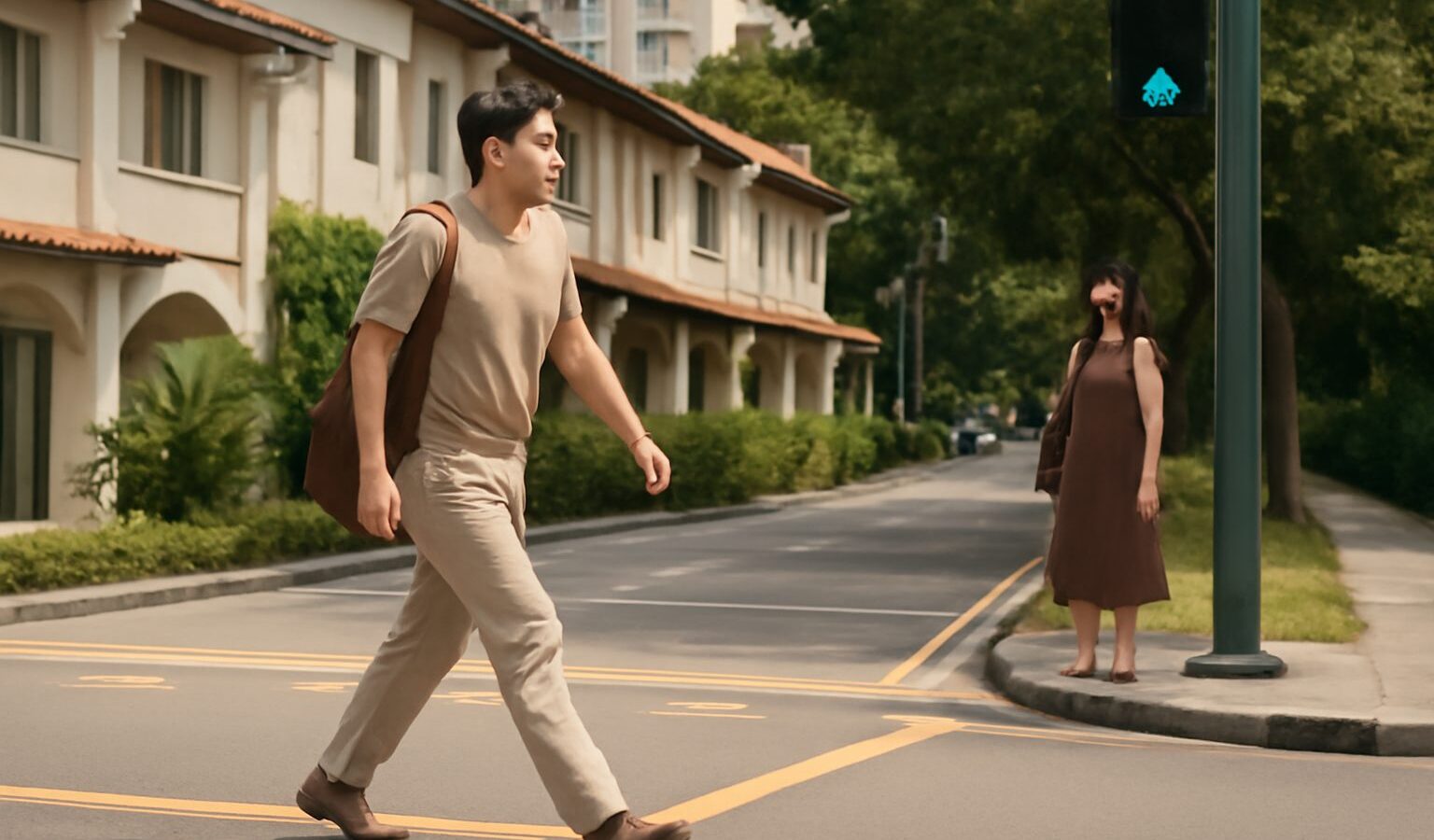
Most of us spend part of every day on foot, whether we are heading to the MRT, walking to the coffee shop, or crossing the road to catch a bus. It is easy to treat walking as second nature, but pedestrians share the road with cars, motorcycles, and buses, and a moment of carelessness can turn serious. Understanding the jaywalking rules singapore drivers and walkers both live by helps you stay safe and stay on the right side of the law. This guide explains the general principles in plain language, so you know what is expected of you as a pedestrian here.

What Jaywalking Means and Why It Matters
Jaywalking generally refers to crossing a road in an unsafe or unlawful way, such as darting across a busy street instead of using a nearby crossing, or crossing within a short distance of a proper crossing point. In Singapore, jaywalking is treated as an offence, and the Traffic Police can take action against pedestrians who cross dangerously. The exact penalties can change over time, so if you want the current details, the Traffic Police and the Singapore Police Force are the right sources to check rather than relying on hearsay.
The bigger reason to care is not the fine, it is your safety. A pedestrian has no protection in a collision. Even at moderate speeds, being hit by a vehicle can cause life-changing injuries. Roads near expressways, wide arterial roads, and busy junctions are especially risky because vehicles move quickly and drivers may not expect someone to step out mid-road. Crossing properly gives drivers time to see you and react.
Crossing the Road the Right Way
The safest approach is simple: use the crossings that are provided. Singapore has a good network of pedestrian infrastructure, and using it protects you.
- Use signalised crossings, zebra crossings, overhead bridges, and underpasses wherever they are available.
- At traffic-light crossings, wait for the green man before you step off the kerb, and do not start crossing when the green man is already flashing.
- Even with a green man, glance both ways. Turning vehicles and the occasional red-light runner are real hazards.
- Cross in a straight, direct line rather than wandering diagonally across a road.
- Do not climb over railings or barriers to cross. They are there to guide you to a safe crossing point.
If there is no crossing nearby, wait for a clear gap, cross at a spot where you can see and be seen, and never assume a driver has noticed you. Make eye contact where you can, and keep moving steadily rather than stopping halfway.
Staying Alert as a Pedestrian
Distraction is one of the biggest modern risks for people on foot. Looking at your phone, wearing both earbuds at full volume, or rushing while texting all reduce your awareness at exactly the wrong moment. Put the phone away when you are crossing, keep one ear open to traffic, and give the road your full attention for the few seconds it takes to get across.
Take extra care in the rain, when visibility drops and roads get slippery for vehicles trying to brake. Be more cautious at night too, and wear or carry something visible if you are walking along poorly lit stretches. Children and older family members need more time and more help, so hold hands with little ones and be patient with anyone who cannot move quickly.
If you use a wheelchair or have mobility needs, plan your route around ramps and accessible crossings. Our guide to accessible transport for wheelchair users covers this in more detail, and park connectors and walking in Singapore is worth a read if you enjoy getting around on foot.
Sharing Space With Cyclists and Riders
Pedestrians increasingly share footpaths and shared paths with cyclists and personal mobility device users. Keep left where signs ask you to, do not block the path, and look before you step sideways or turn around. Riders are meant to slow down and give way to you, but courtesy runs both ways. If you want to understand the rules that shape these shared spaces, the Active Mobility Act explained is a helpful starting point.
The heart of it is straightforward. Use the crossings, wait for the signal, stay alert, and treat every road as something to respect rather than dash across. The jaywalking rules singapore has in place exist to protect the most vulnerable people on the road, which on any given day includes you. When in doubt about a specific rule or penalty, check with the Traffic Police for the current position, and always let safety guide your choice.
Frequently Asked Questions
How far from a pedestrian crossing is it illegal to cross the road? Crossing within a short distance of a proper crossing point is treated as jaywalking, but the exact distance is set by the authorities. Check the Traffic Police or Singapore Police Force for the current rule rather than guessing.
What should I do if the green man is already flashing? Do not start crossing. Wait for the next green man, because vehicles may be about to move and drivers may not expect you. If you are already in the road, keep moving steadily to the other side rather than stopping halfway.
Is it safe to cross while wearing earphones or looking at my phone? It is not wise. Distraction cuts your awareness at exactly the wrong moment. Put the phone away, keep one ear open to traffic, and give the road your full attention for the few seconds it takes to cross.
How can I cross safely at night or in the rain? Take extra care, because visibility drops and roads are slippery for vehicles trying to brake. Use proper crossings, wear or carry something visible on poorly lit stretches, and never assume a driver has noticed you.
Do I give way to cyclists and e-scooter riders on shared paths? Riders are meant to slow down and give way to pedestrians, but courtesy runs both ways. Keep left where signs ask, do not block the path, and look before stepping sideways. The Active Mobility Act sets the rules for shared spaces.
Official sources: Singapore Police Force
Further reading: Yellow Box Junction Rules in Singapore