
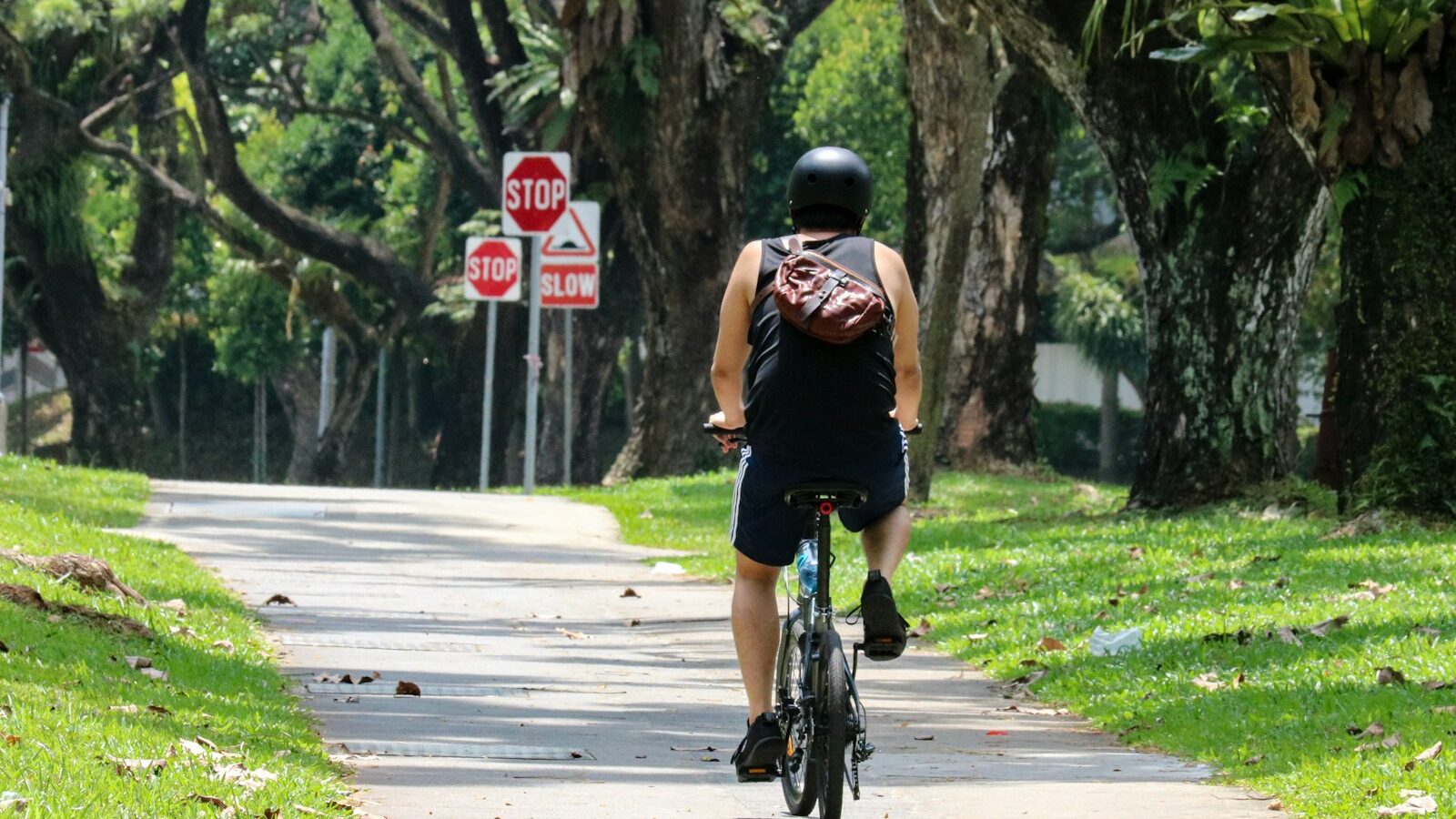
Electric scooters and other small electric rides looked, for a while, like the perfect answer to Singapore’s first-and-last-mile problem: cheap, nippy, and easy to park. Then came a wave of crashes on crowded footpaths and a string of battery fires, and the rules were tightened sharply. If you own or are thinking of buying one, the PMD rules Singapore has put in place are strict, they carry real penalties, and they change from time to time. This guide explains how the framework generally works, what a personal mobility device is, where each type of device may be used, and why charging safety matters so much. Because the rules under the Active Mobility Act are updated regularly, always confirm the current requirements, limits and paths with the Land Transport Authority (LTA) before you ride.
What Counts As A Personal Mobility Device
“Personal mobility device”, or PMD, is an umbrella term for small, mostly electric devices people use to get around on foot paths and cycling paths. The best known is the electric scooter, but the family also includes devices like electric skateboards and similar compact rides. Alongside PMDs, the active-mobility framework also covers bicycles and power-assisted bicycles (PABs), which are pedal cycles with an electric motor that assists your pedalling.
These categories matter because Singapore does not treat them all the same way. The rules distinguish between:
- Bicycles, the ordinary pedal kind.
- Power-assisted bicycles (PABs), which have a motor and are subject to their own approval and registration requirements.
- E-scooters and other PMDs, motorised devices that are regulated tightly and, in some cases, restricted to very limited areas.
- Personal mobility aids, such as motorised wheelchairs and mobility scooters used by those who need them, which are treated separately.
Knowing which bucket your device falls into is the first step, because it determines where you can legally ride it, whether it must be registered, and what standards it has to meet. If you are unsure how a device is classified, the LTA is the authority to check with.
Where Each Device May Be Used
The single most important idea in the rules is that different devices belong on different paths, and using the wrong path is one of the most common ways riders get into trouble. Singapore’s walking and cycling network is broadly split into footpaths (meant primarily for pedestrians), cycling paths and shared paths, and the roads themselves.
In general terms, the framework channels each device to particular spaces:
- Pedestrians have priority on footpaths, and their safety is the reason the rules exist.
- Bicycles and PABs are generally intended for cycling paths and, in many cases, may also be ridden on roads, while riders follow traffic rules.
- E-scooters and other PMDs have been restricted to a much narrower set of paths, with significant limits on footpath use introduced after safety concerns.
- Motorised devices are generally not allowed on roads the way a car or motorcycle is, and pavements are not a free-for-all either.
Because the exact allocation has shifted over the years and continues to be reviewed, treat any specific “you can ride here” claim with caution and verify it against the current LTA guidance. The comparison table below sets out the general picture, but the phrase “check LTA” is doing real work in every row.
| Device type | Where it may generally be used |
|---|---|
| Pedestrian (walking) | Footpaths and shared paths; always has priority (check LTA) |
| Bicycle | Cycling paths, shared paths and, in many cases, roads (check LTA) |
| Power-assisted bicycle (PAB) | Cycling paths and roads, subject to registration and rules (check LTA) |
| E-scooter / other PMD | Restricted paths only, with tight limits after rule changes (check LTA) |
| Personal mobility aid | Footpaths, for those who need them (check LTA) |
Standards, Certification And Registration
Two requirements sit at the heart of the modern rules: a fire-safety standard and registration. The fire-safety standard most people have heard of is UL2272, a certification covering the electrical and fire safety of a device’s whole system. Devices that are not certified to the required standard have been progressively barred, and continuing to use a non-compliant device can carry penalties. If you are buying, checking that a device meets the current required certification is not optional box-ticking; it is central to whether you can legally own and use it.
Registration is the other pillar. Certain devices must be registered with the LTA and carry a registration mark before they can be used in public, so that a device, and its rider, can be identified. There are also general limits on the physical characteristics of devices, covering things like maximum weight, maximum width and the top speed the device is allowed to travel at, all aimed at keeping shared paths safe for everyone. The specific figures for these limits, the list of devices that must be registered, and the certification currently required are exactly the kind of details that get revised, so look them up on the LTA site rather than relying on a number you saw online. Buying a device that cannot be registered or certified is an expensive mistake.
Why The Rules Tightened
It helps to understand why Singapore moved from a light touch to a strict regime. When PMDs first became popular, footpaths that had been built for walking suddenly had fast, silent devices weaving through pedestrians, and collisions, some serious, followed. At the same time, poorly made or modified devices with substandard batteries were catching fire, sometimes in homes and HDB flats while charging overnight, putting whole households at risk.
The response was to prioritise safety: restrict where the fastest devices could go, mandate a recognised fire-safety standard, require registration so riders could be held accountable, and set limits on speed and device size. Penalties exist for breaches such as riding a non-compliant device, riding on prohibited paths, or riding dangerously, and enforcement has been real rather than token. The exact offences and consequences are set by the authorities and can change, so the honest guidance is to ride within the rules and check the current penalties with the LTA rather than assume.
Charging And Battery Fire Safety
Even if you never put a foot wrong on the paths, the biggest everyday risk with an electric device is the battery. Lithium battery fires are fierce, fast and hard to put out, and they have caused real harm in Singapore homes. A few widely accepted habits reduce the danger considerably:
- Use only the original charger and the battery that came with the device, and buy a device that meets the required fire-safety certification.
- Do not leave a device charging unattended, and avoid charging overnight while everyone is asleep.
- Charge in an open area away from doorways and exits, not in a cluttered corner or blocking your only escape route.
- Stop using a battery that is swollen, damaged or behaving oddly, and do not modify the device or its battery.
- Let a hot device cool before charging, and follow the manufacturer’s instructions.
These are sensible precautions rather than legal minimums, and they matter as much for a bicycle’s battery as for a scooter’s. For the current fire-safety advice, the SCDF and NEA-linked guidance and the LTA rules are the sources to trust.
Riding Responsibly On Shared Paths
Beyond the paperwork, the spirit of the rules is simple: paths are shared, and the person on foot comes first. Keep to a sensible speed near pedestrians, slow right down in crowded or narrow stretches, and give way rather than expecting others to dodge you. Use lights at night, keep to the correct side, and never ride while distracted. Following the code of conduct for active mobility keeps you safe, keeps others safe, and keeps the whole system tolerable for everyone who uses it.
Explore More
If you are weighing a device against pedal power, our guide to cycling for transport in Singapore covers paths, safety and gear in more depth. And to see how the walking network fits into short trips, read park connectors and walking in Singapore. Whatever you ride, confirm the current rules, limits and certification with the LTA before you rely on them, because active-mobility rules change.
Related across Sky Media: Buying and Using a Bicycle or PMD in Singapore · Cycling and PMD Rules