
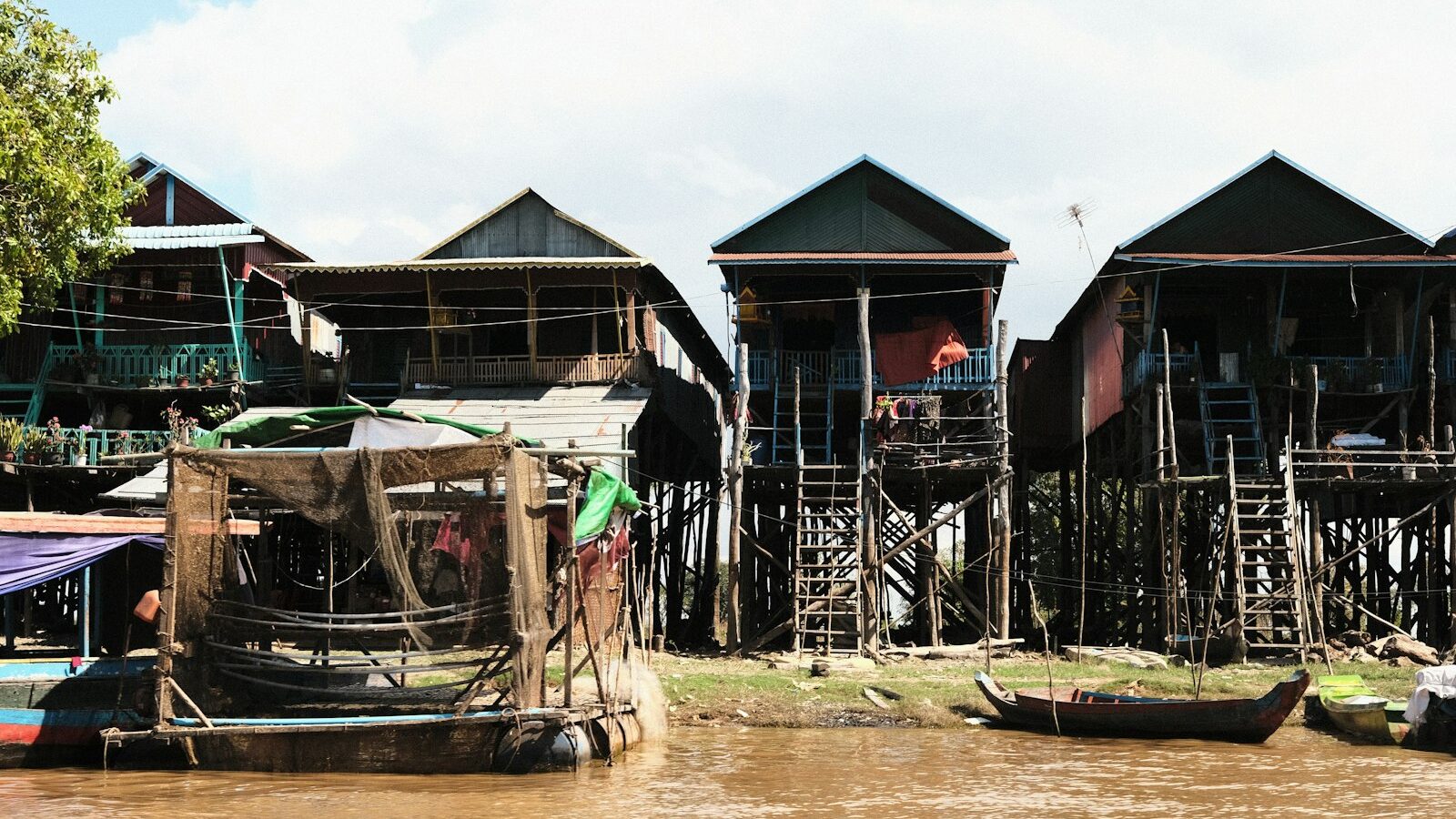
Before high-rise living, many in Singapore lived in kampongs, village communities remembered with deep fondness. This guide explores what kampong life was like, the community spirit it fostered, and preserving this cherished heritage.
The kampong era
Before the era of high-rise living and modern housing, many people in Singapore lived in kampongs, village communities characterised by a close-knit, simpler way of life. The kampong days are remembered with deep fondness by older generations as a time of strong community, neighbourliness, simplicity and a slower pace of life, often close to nature. As Singapore urbanised and the population moved into modern housing, the kampongs largely disappeared, but the memories, spirit and heritage of kampong life remain cherished. The kampong era represents an important part of the nation’s social history and a way of life that shaped earlier generations. Understanding the kampong era, a time of close-knit village communities and a simpler way of life before high-rise living, helps you appreciate a cherished and formative part of Singapore’s social history, so you can value the kampong days as a nostalgic, meaningful chapter in the nation’s story, remembered fondly for the community, simplicity and way of life they represented before the transformation to modern urban living.
What kampong life was like
| Aspect | Broadly |
|---|---|
| Close community | Strong neighbourly bonds |
| Simpler living | A modest, slower-paced life |
| Close to nature | Village and natural surroundings |
| Shared life | Communal, connected living |
Kampong life was characterised by several defining features remembered fondly today. Community was central, with close, neighbourly bonds, mutual help and a strong sense of belonging among kampong residents, who often knew and supported one another. Living was simpler and more modest, with a slower pace and fewer material comforts than modern life, but a richness in community and connection. Life was often close to nature, in village surroundings. And it was communal and connected, with shared spaces, activities and a collective way of life. These features gave the kampong its distinctive, cherished character. Understanding what kampong life was like, close community, simpler living, closeness to nature, and shared, connected life, helps you appreciate the distinctive character of the kampong days, so you can value the community spirit, simplicity and connection that defined this way of life, and understand why it is remembered so fondly as a contrast to the more individual, fast-paced nature of modern urban living.
The community spirit
Perhaps the most cherished aspect of the kampong days, and the one most fondly remembered, is the strong community spirit, the “kampong spirit” of neighbourliness, mutual help, closeness and belonging. In the kampongs, neighbours knew, supported and helped one another, sharing in daily life, difficulties and celebrations, and fostering a deep sense of community and togetherness. This kampong spirit is often remembered wistfully, especially in contrast to the more private, individual nature of modern urban living, and it remains an ideal of community and neighbourliness that many value and hope to preserve in spirit. The kampong spirit is a treasured part of the heritage of the kampong days. Understanding the community spirit of the kampong days, the “kampong spirit” of neighbourliness, mutual help and belonging, helps you appreciate the most cherished aspect of this way of life, so you can value the deep sense of community and togetherness the kampongs fostered, and recognise why the kampong spirit remains a fondly remembered ideal of neighbourliness and connection worth cherishing and, in spirit, preserving even in modern times.
Preserving the heritage
As the kampongs have largely disappeared, there is value in preserving and remembering the heritage of the kampong days as part of the nation’s social history and identity. This happens through remembering and sharing memories and stories of kampong life, documenting and celebrating this heritage, and cherishing the values, especially the kampong spirit, that it represented. Preserving this heritage connects generations, honours the way of life that shaped earlier generations, and keeps alive the ideals of community and neighbourliness. Even as the physical kampongs are gone, their memory, spirit and lessons endure as a cherished part of heritage. Understanding the value of preserving the heritage of the kampong days, through remembering, sharing, documenting and cherishing this way of life and its spirit, helps you appreciate your part in keeping this heritage alive, so you can value and pass on the memory and ideals of the kampong days, especially the treasured kampong spirit, as a meaningful part of Singapore’s social history and a nostalgic reminder of community and connection worth preserving.
Lessons for today
Beyond nostalgia, the kampong days offer lessons that resonate today, particularly around community, neighbourliness and connection. In an era of high-rise living, busy lives and greater privacy, the kampong spirit of knowing, supporting and connecting with one’s neighbours stands as an ideal worth aspiring to, even in modern forms. Fostering community, neighbourliness and mutual support in today’s context echoes the values of the kampong days and can enrich modern living. The simplicity and connection of kampong life also offer reflection on what matters. In these ways, the heritage of the kampong days remains relevant and inspiring. Understanding the lessons for today from the kampong days, especially the value of community, neighbourliness and connection, helps you draw meaning from this heritage beyond nostalgia, so you can appreciate how the ideals of the kampong spirit remain relevant and inspiring in modern life, encouraging community and connection with neighbours even in an era of high-rise living, and reminding us of the value of togetherness that defined the cherished kampong days.
The takeaway
Before high-rise living, many in Singapore lived in kampongs, close-knit village communities characterised by strong community, simpler living, closeness to nature and shared, connected life, remembered with deep fondness by older generations. The most cherished aspect, the “kampong spirit” of neighbourliness, mutual help and belonging, remains a treasured ideal, especially in contrast to modern urban living. Though the kampongs have largely disappeared, preserving their heritage, through remembering, sharing and cherishing this way of life and its spirit, keeps a meaningful part of the nation’s social history alive. Beyond nostalgia, the kampong days offer enduring lessons about community and connection that remain relevant and inspiring today. The kampong days are a cherished, formative chapter in Singapore’s story, well worth remembering.
Explore more: Dragon playgrounds and old Singapore nostalgia · Traditional games of old Singapore · Life in the pioneer generation