
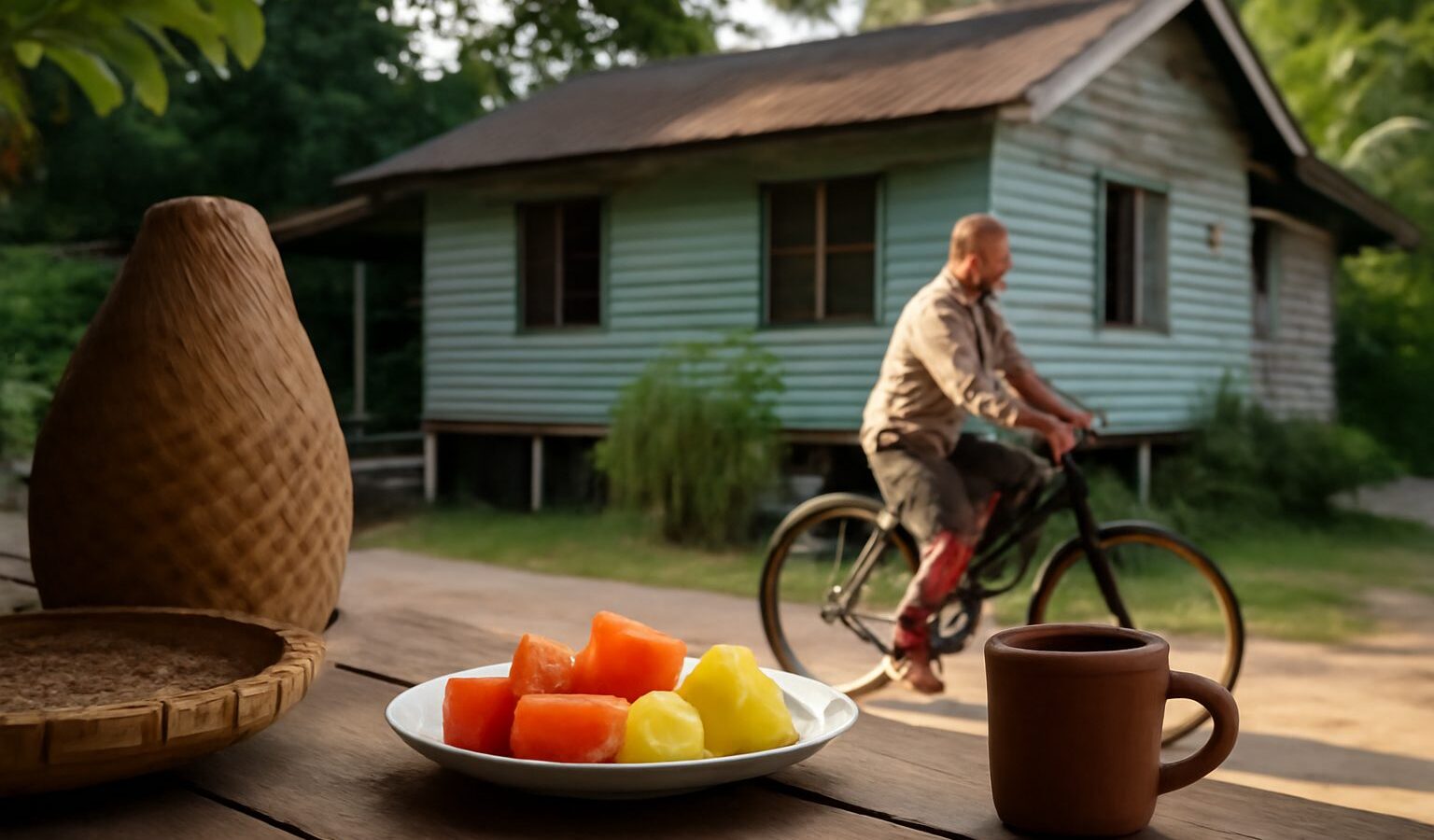
A short bumboat ride from the eastern coast lies an island that feels like a step back in time. Pulau Ubin heritage is precious precisely because so little of it has changed: dirt tracks instead of expressways, wooden houses instead of towers, and a pace set by tides and daylight rather than train timetables. For many Singaporeans, Ubin is the closest they can come to the kampong life that once defined the whole country, and that makes a visit both a day out and a small act of remembering.
This guide describes what the island is, how kampong life still shows itself here, why the nature is so treasured, and how to visit in a way that keeps Ubin the way it is.
The Last Kampong Within Reach
Across the main island, the villages that once dotted the countryside have almost all given way to housing estates. Pulau Ubin is the rare place where a kampong still stands and, in a modest way, still functions. A small number of residents continue to live on the island, and their homes, gardens and shops give visitors a genuine sense of how ordinary life looked before high-rise living became the norm.
Kampong heritage is not only about buildings. It is about a way of relating to your surroundings: growing some of your own food, knowing your neighbours, and living close to the land and water. On Ubin you can still see fruit trees, chickens, and simple houses raised against the damp, all of which speak to that older rhythm.
It helps to remember that people actually live here. The village is not a stage set, and residents deserve the same courtesy you would show anyone at home. Keep noise down near houses, ask before photographing people, and stick to public paths.
From Granite Quarries to Quiet Ponds
Ubin’s name is tied to stone. The island was long associated with granite quarrying, and the work of cutting stone shaped both the landscape and the community that grew up around it. Over time the quarries fell silent, and many of the old pits filled with water to become the calm, greenish ponds that give parts of the island their distinctive look today.
Those ponds are a good example of how Ubin layers its history. What began as hard industrial work has become, decades on, a scene of stillness and reflection. Walking or cycling past them, it is easy to forget that this quiet was once a place of labour and noise.
We will avoid stating exact founding years or output figures, because such details are best drawn from heritage records rather than repeated loosely. What matters for a visitor is the shape of the story: a working island that has softened into a green retreat, while keeping the marks of its past.
Chek Jawa and the Island’s Living Nature
If the village is the heart of Ubin’s human heritage, Chek Jawa is the heart of its natural one. This is a wetland area on the eastern side of the island where several habitats meet, and it is celebrated for the richness of life found where land and sea overlap. A boardwalk lets visitors take in the setting without trampling the delicate ground, and it is one of the most rewarding walks on the island.
Beyond Chek Jawa, Ubin as a whole is loved for its wildlife and greenery. Birds, insects and other creatures thrive here in a way that is harder to find on the built-up mainland, which is exactly why the island is so valued by nature lovers and educators.
A few things help you enjoy Ubin’s nature responsibly:
- Keep to marked trails and boardwalks so you do not damage sensitive ground.
- Take all your litter back with you; bins are limited and the ecosystem is fragile.
- Watch wildlife from a distance and never feed animals.
- Go early in the day for cooler air and better chances of seeing birds.
Because tides affect what you can see at coastal spots, and conditions change, it is worth checking current guidance before you plan around a particular area.
Planning a Respectful Day Trip
Getting to Ubin is part of the adventure. Visitors typically reach the island by bumboat from the eastern coast, and the crossing is short. Boats commonly leave when they have enough passengers rather than on a fixed clock, so allow flexibility in your timing and do not plan too tightly around a return.
Once on the island, walking and cycling are the usual ways to get around, and the unpaved tracks suit an unhurried pace. To help you match the island to what you are after, here is a simple comparison.
| Way to spend your visit | What it offers | Good to know |
|---|---|---|
| Exploring the village | Kampong houses, shops, everyday island life | Respect residents and their privacy |
| Cycling the tracks | Freedom to roam quarry ponds and greenery | Terrain is rough; go steady |
| Chek Jawa boardwalk | Rich coastal and wetland nature | Stay on the boardwalk; check tides |
| Quiet walking | Birdsong, shade and slow scenery | Bring water and sun protection |
Practical notes worth repeating: there are few facilities compared with the mainland, so bring enough water, sun protection and any snacks you may want, while still carrying your rubbish out. Weather can shape the day, since rain makes tracks muddy and can affect boats. And because services and access can vary, confirm current details before you go rather than relying on old accounts.
Keeping Ubin as It Is
The value of Pulau Ubin heritage lies in its restraint. The island matters because it has not been remade, and every visitor plays a small part in keeping it that way. Tread lightly, take your time, and treat both the residents and the wildlife as the hosts of the place. Do that, and Ubin gives back something increasingly rare in Singapore: a glimpse of how the country lived when the kampong, not the condominium, was home. It is a heritage best preserved by being enjoyed gently.
Explore more
To set Ubin in a wider story, revisit our feature on kampong days in Singapore and our guide to Changi heritage, the coast from which many boats depart. For more island stories, see our look at the Southern Islands heritage.