
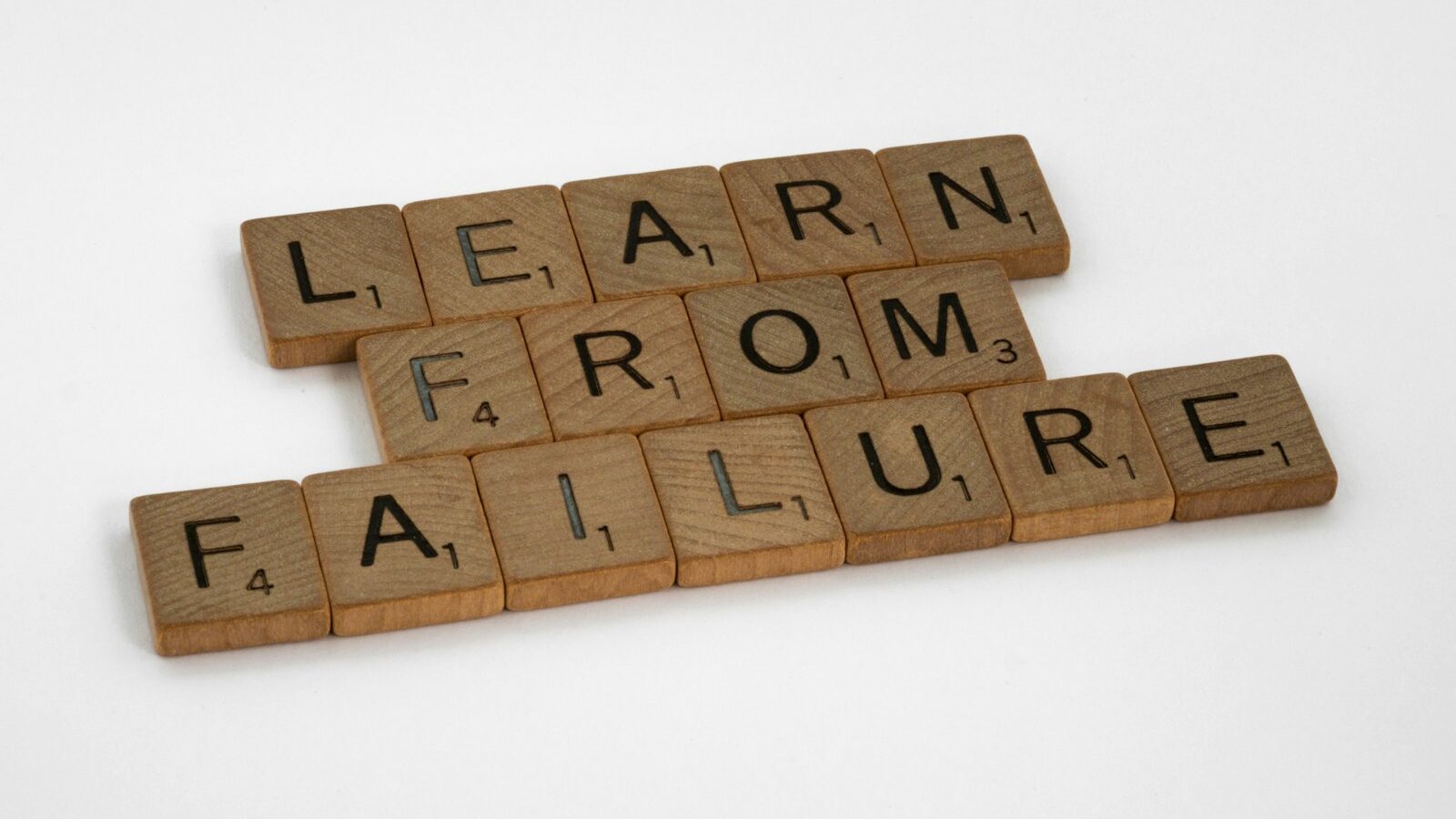
Nobody enjoys getting something wrong. A red cross on a maths paper, a presentation that fell flat, a project that missed the mark at work: the sting is real, and in a results-focused place like Singapore it can feel heavier than it should. Yet learning from your mistakes is one of the most useful skills you will ever build, and unlike talent, it is fully within your control. This guide is about turning that sting into something you can actually use.
The good news is that mistakes are not a sign you are falling behind. They are information. Every error tells you exactly where your understanding is thin, which is far more precise than a page of correct answers. The trick is to look at them calmly instead of flinching away.
Why Mistakes Are Better Teachers Than Easy Wins
When you get something right the first time, you learn very little. You already knew it. A mistake, by contrast, marks the precise gap between what you thought was true and what actually is. That gap is where real learning happens.
Researchers who study how people learn talk about “desirable difficulties”, the idea that a bit of struggle helps knowledge stick. Getting a question wrong, then finding out why, tends to lodge the correct answer more firmly than simply reading the right answer would. This is one reason working through past year papers and marking your own errors is so powerful, and it links closely to the wider idea of learning how to learn.
There is also a mindset piece. Psychologists distinguish between a fixed mindset (“I am just bad at this”) and a growth mindset (“I cannot do this yet”). That small word, yet, changes everything. A mistake in a fixed mindset feels like a verdict. In a growth mindset it is simply the next thing to work on. You do not have to fake confidence you do not feel. You just have to treat the error as a task, not a judgement.
A Simple Routine for Reviewing What Went Wrong
Feeling bad about a mistake is not the same as learning from it. Many students reread a marked paper, wince, and file it away. That is emotion, not analysis. A short, repeatable routine turns the feeling into a lesson.
Try this after any test, assignment or task that did not go the way you hoped:
- Cool down first. Give yourself a few hours, or a night, before you review. You think more clearly once the disappointment has faded.
- Sort the mistakes. Go through each error and label it. Was it a careless slip, a gap in knowledge, a misread question, or a time problem? The fix is different for each.
- Ask why, twice. For each mistake, ask why it happened, then ask why again. “I got the sum wrong” becomes “I rushed the last step” becomes “I left too little time for checking.” Now you have something to change.
- Write one action per pattern. Not twenty. Pick the most common type of error and one concrete change, such as “read the whole question and underline what it asks before starting.”
- Revisit before the next attempt. A week later, redo two or three of the questions you got wrong. If you can now do them cold, the lesson landed.
This is where a comparison helps. Not all mistakes are the same, and treating them the same way wastes effort.
| Type of mistake | What it really means | What to do differently |
|---|---|---|
| Careless slip | You knew it but rushed or misread | Slow down, check working, budget time to review |
| Knowledge gap | You never fully understood the concept | Relearn it properly, then test yourself later |
| Misread question | You answered a question that was not asked | Underline the command words before you start |
| Time pressure | You ran out of time to finish or check | Practise under timed conditions, pace each section |
Once you can name the type of mistake, the correct response is usually obvious. Careless slips need calmer habits, not more revision. Knowledge gaps need genuine relearning, which is a different job altogether.
Handling the Feelings Without Being Crushed
Learning from your mistakes is not only a technical skill. There is an emotional side, and pretending otherwise does not help. A disappointing result can knock your confidence, especially when it feels like everyone around you is doing fine.
Keep some perspective. One test, one module, one bad interview is a single data point, not a life sentence. It measures where you are today, not where you can get to. If you are facing a poor grade right now, our guide on coping with disappointing exam results walks through the next steps calmly.
Be honest about effort, but kind about tone. “I did not revise that topic enough” is useful. “I am hopeless” is not, and it is almost never true. Talk to yourself the way you would talk to a friend in the same spot.
If the pressure starts to feel like more than the usual stress, that is worth taking seriously rather than pushing down. Sustained anxiety, trouble sleeping, or a constant sense of dread are signals to reach out. Speak to a trusted adult, a teacher or your school counsellor. You can also contact mindline (1771) or, in a crisis, the Samaritans of Singapore on 1767. This article is general study support, not medical or psychological advice, and there is no shame in asking a real person for help. Managing the strain is part of the work, and it connects to handling academic pressure as a student.
Building a Long-Term Habit of Improvement
The students and adult learners who improve fastest are rarely the ones who make the fewest mistakes. They are the ones who waste none of them. Over months, small corrections compound into real progress.
A few habits make this stick:
- Keep an error log. A simple notebook or document where you jot recurring mistakes and the fix. Reviewing it before an exam is often more useful than reading notes, because it targets your actual weak spots.
- Separate the person from the performance. A mistake is something you did, not something you are. This one shift protects your motivation over the long run.
- Set goals around behaviour, not just outcomes. “Review every marked paper within two days” is a goal you control. Pairing this with setting learning goals that stick keeps momentum going.
- Expect plateaus. Some weeks it will feel like nothing is improving. Keep logging and adjusting. Progress in learning is lumpy, not smooth.
This mindset does not switch off after your last exam. Adults picking up a new skill, a language, or a SkillsFuture course make plenty of mistakes too, and the same routine applies. If anything, treating errors as feedback matters more once nobody is marking your work for you.
Mistakes will keep coming, at school, at university, and long into working life. That is not a flaw in you; it is simply what learning looks like from the inside. Get into the habit of studying your errors the way you would study a subject, and each one quietly makes you better. That is what learning from your mistakes really means: not avoiding them, but refusing to waste them.