
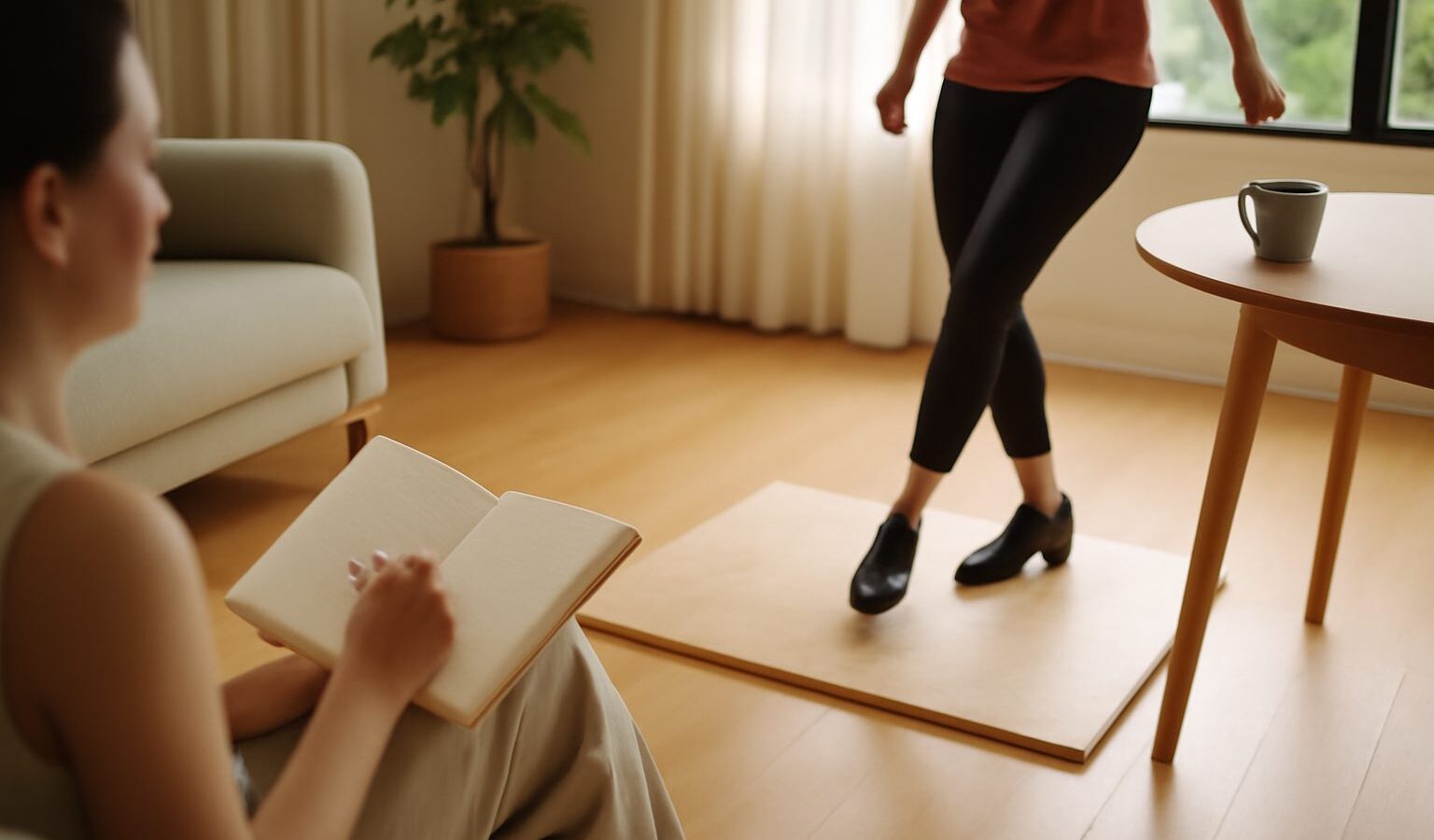
There is a special kind of joy in making music with your feet. Learning to tap dance in Singapore is a playful, rhythmic hobby that turns your shoes into a tiny percussion section, and it suits people who love the idea of dancing but also enjoy a good challenge for the brain. You do not need a background in ballet or years of coordination practice to begin. You need a hard floor, a pair of tap shoes, and a willingness to laugh at your early clatter. That is honestly half the fun.
This guide is for the curious beginner who has watched a tap number and thought, I would love to try that. We will look at what tap actually is, the simple gear that gets you started, why warming up matters, and how to find a friendly class or social group without spending a fortune.

What Tap Dance Is and Why Try It
Tap dance is a style built on rhythm. Small metal plates fixed to the toe and heel of your shoes strike the floor to create crisp, syncopated sounds. Instead of only moving to music, you become part of the music. Styles range from the smooth, jazzy feel of rhythm tap to the bright, upright look of Broadway or show tap, and beginners usually meet a friendly mix of both.
For a hobby, tap is wonderfully honest. Progress is audible, so you can literally hear yourself improving from week to week. It also gives your mind a gentle workout, because you are counting beats, remembering short sequences, and coordinating both feet. Many adults find that this focus is a lovely break from screens and to-do lists. Do expect a learning curve. Your first shuffles will feel clumsy and uneven, and that is completely normal. Treat the early weeks as play rather than performance.
If you enjoy activities that mix movement and rhythm, tap sits nicely alongside other hobbies like karaoke and singing, where timing and confidence also matter.
The Starter Kit You Actually Need
The good news is that tap needs very little equipment. The one real essential is a pair of tap shoes, which have the metal taps already attached. Beginners often start with a basic lace-up or slip-on style, and you can upgrade later once you know you enjoy it. Comfortable, well-fitting shoes matter more than looks. A shoe that pinches or slides will make learning harder and can lead to blisters, so try before you buy where possible.
You also need a suitable surface. Tap works best on a hard, smooth floor such as wood or laminate. Carpet muffles the sound and makes slides tricky, while very slippery tiles can be unsafe. Many people practise at home on a small board or a hard patch of floor. Comfortable, breathable clothing you can move in rounds out the kit.
Here is a simple way to think about building up over time.
| Tier | What you get | Best for |
|---|---|---|
| Budget | Entry-level tap shoes, practise on existing hard floor | Trying your first few weeks |
| Mid | Better-fitting shoes, a portable practise board | Regular weekly classes |
| Premium | Quality leather shoes, a proper practise floor at home | Committed hobbyists dancing often |
Prices vary and it is worth checking current retail at dancewear shops. Do not rush to premium gear. A modest pair of shoes and a hard floor are enough to learn whether this hobby is for you.
Warming Up and Dancing Safely
Tap is low impact compared with some dance styles, but it still asks a lot of your ankles, calves, and feet. Always warm up before you start. A few minutes of gentle marching, ankle circles, and calf stretches prepares your muscles and lowers the chance of strain. Ease off if anything feels sharp or painful, and give sore feet a rest day.
Wear the comfortable footwear made for the job rather than improvising with street shoes, since proper tap shoes support your foot and keep the taps secure. Keep your practise area clear and well lit, and start slowly before building up speed. This is general guidance for safe, enjoyable movement, not medical advice.
Finding a Class and Your People
Tap is far easier and more fun to learn with a good teacher and a bit of company. In general terms, many community clubs, dance studios, and adult activity centres run beginner dance classes, and some offer casual drop-in sessions so you can try tap before committing to a term. Group settings help enormously, because you pick up rhythm from those around you and stay motivated across the tricky early weeks.
To try it cheaply first, look for taster or trial lessons, and borrow or buy budget shoes rather than a premium pair. Watching beginner tutorials at home between classes helps too, though a live teacher will catch habits that videos cannot. If you catch the movement bug, you might branch into partner styles like swing dancing and Lindy Hop or the friendly group format of line dancing.
Learning to tap dance in Singapore is really about rediscovering play. Your shuffles will sharpen, your rhythms will tighten, and one day you will realise your feet are keeping perfect time. Start small, keep it light, and enjoy the sound you make.
Frequently Asked Questions
Can I learn tap dance at home on carpet or tiles? Carpet muffles the sound and makes slides tricky, and very slippery tiles can be unsafe. Tap works best on a hard, smooth floor such as wood or laminate, so many people practise on a small portable board instead.
Do I need ballet experience to start tap? No. You do not need a background in ballet or years of coordination practice. You need a hard floor, a pair of tap shoes and a willingness to laugh at your early clatter. Treat the first weeks as play rather than performance.
How should I choose my first pair of tap shoes? Pick comfortable, well-fitting shoes with the metal taps already attached, since a shoe that pinches or slides makes learning harder and can cause blisters. Try before you buy where possible, and start with a basic lace-up or slip-on style.
How can I tell whether I’m actually improving at tap? Progress is audible, so you can hear your rhythms tighten from week to week. Counting beats and remembering short sequences also gets easier. Recording your practice and comparing early clips helps you notice the change.
How do I try tap cheaply before committing? Look for taster or trial lessons and borrow or buy budget shoes rather than a premium pair. Some studios and community clubs offer casual drop-in sessions, and a live teacher will catch habits that videos cannot.
Further reading: Getting Into Tap Dance