
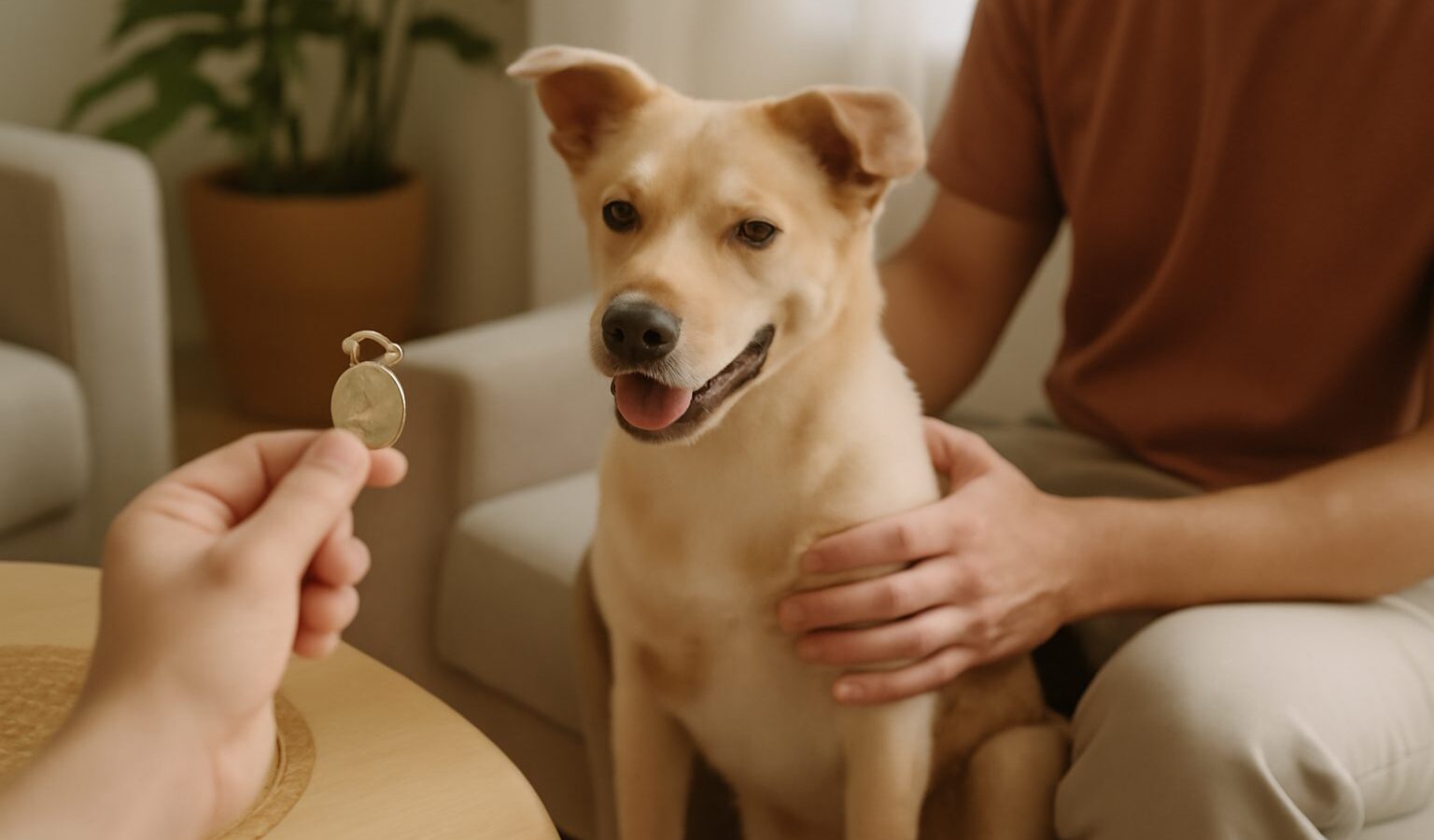
Getting a dog licence in Singapore is not optional paperwork you can put off. Every dog kept in Singapore must be licensed with the Animal and Veterinary Service (AVS), the authority under NParks that oversees animal welfare and the Animals and Birds Act. Licensing is quick to do online, but it matters far more than a box-ticking exercise. It ties your dog to you in an official record, supports responsible ownership across the community, and helps reunite lost dogs with their families. This guide explains why the licence exists, how the process generally works, how renewal fits in, and what being a responsible owner looks like. Rules and fees do change, so always confirm the current details with AVS.
Why Every Dog Must Be Licensed
Licensing exists to protect both dogs and people. A licence creates an official link between a dog and its owner, which supports public health, responsible ownership and animal welfare. It also works hand in hand with microchipping, so that a dog who slips out or gets lost can be traced back home rather than ending up unclaimed at a shelter.
There are wider benefits too. Licensing gives AVS a picture of the dog population, which helps with managing animal health and welfare across the island. It encourages owners to take the responsibilities of ownership seriously from day one. And in HDB flats, licensing sits alongside the housing rules on approved breeds and the number of dogs allowed per flat, so the two go together. Because these frameworks are updated from time to time, check the current requirements with both AVS and HDB before you bring a dog home.
How Licensing Generally Works
The good news is that licensing a dog is designed to be straightforward and is handled online through the AVS system. While the exact steps and fees can change, the general shape of the process looks like this.
- Have your dog’s details ready, including microchip information, since microchipping is closely tied to licensing.
- Apply or renew online through the official AVS channel, entering your details and your dog’s details.
- Pay the applicable fee, which can vary depending on factors such as whether the dog is sterilised and the licence period you choose.
- Keep your licence record up to date if your contact details or circumstances change.
Fees, licence periods and specific conditions are set by AVS and are updated from time to time, so this guide does not quote amounts. Always check the AVS website for the current fees and details before you apply, rather than relying on figures you read elsewhere.
Steps at a Glance
The table below sets out the general flow. Treat it as an orientation, and follow the exact instructions on the official AVS platform when you actually apply.
| Step | What to do |
|---|---|
| Microchip your dog | Have your dog microchipped by a licensed vet, since the chip links to the licence record. See our microchipping guide. |
| Gather your details | Collect owner identification, contact details and the dog’s microchip and description. |
| Apply online | Submit a new licence application through the official AVS system. |
| Pay and receive the licence | Pay the applicable fee; a sterilised dog may qualify for a lower fee under AVS incentives. |
| Renew before expiry | Track the expiry date and renew on time to keep the licence valid. |
| Update your records | Report changes such as a new address, a change of owner, or the death of the dog. |
Renewal, Microchipping and Sterilisation
A dog licence is valid for a set period rather than for life, so renewal is part of responsible ownership. Renewing on time keeps your records current and avoids letting the licence lapse. It is worth noting the expiry date somewhere you will see it and renewing before it passes.
Microchipping deserves special mention because it underpins the whole system. A microchip is a tiny implant, placed by a licensed vet, that carries a unique identification number linked to your details. If your dog is ever lost, the chip is what allows a vet or the authorities to identify the dog and contact you. Our companion guide on microchipping your pet explains how it works in more detail.
AVS also encourages sterilisation, and licensing fees are generally structured to reward it, so a sterilised dog often costs less to license than an unsterilised one. Beyond the fee, sterilisation carries welfare and community benefits, including reducing unwanted litters and abandonment. Sterilisation is a health decision, so this is general information and not veterinary advice; talk to a licensed vet about the right timing and approach for your dog.
What Happens If You Do Not License
Keeping an unlicensed dog is a breach of the rules, and AVS can take enforcement action against owners who do not comply. Beyond any penalty, an unlicensed and unmicrochipped dog is far harder to reunite with its owner if it goes missing, which is a real welfare risk. Licensing is one of the simplest things you can do to protect your dog, so there is little reason to skip it. If you are unsure whether your dog is properly licensed, check your records and the AVS platform, and sort it out promptly.
Being a Responsible Dog Owner
A licence is the start of responsible ownership, not the whole of it. Keep your dog microchipped and your records current, sterilise where appropriate, and follow the leashing, cleaning-up and public-behaviour expectations that keep dogs welcome in shared spaces. If you live in a HDB flat, stay within the approved-breed and number rules. Report animal cruelty or neglect to AVS when you see it, and never abandon a dog; surrender to a shelter is always the more humane path if circumstances change. Getting your dog licence in Singapore sorted is a small, official act that says you are ready to take the rest of it seriously too.
Explore More
Licensing works best alongside a microchip, so read our guide on microchipping your pet in Singapore next. If you live in a flat, our overview of keeping pets in HDB flats in Singapore covers the breed and number rules that sit alongside licensing.