
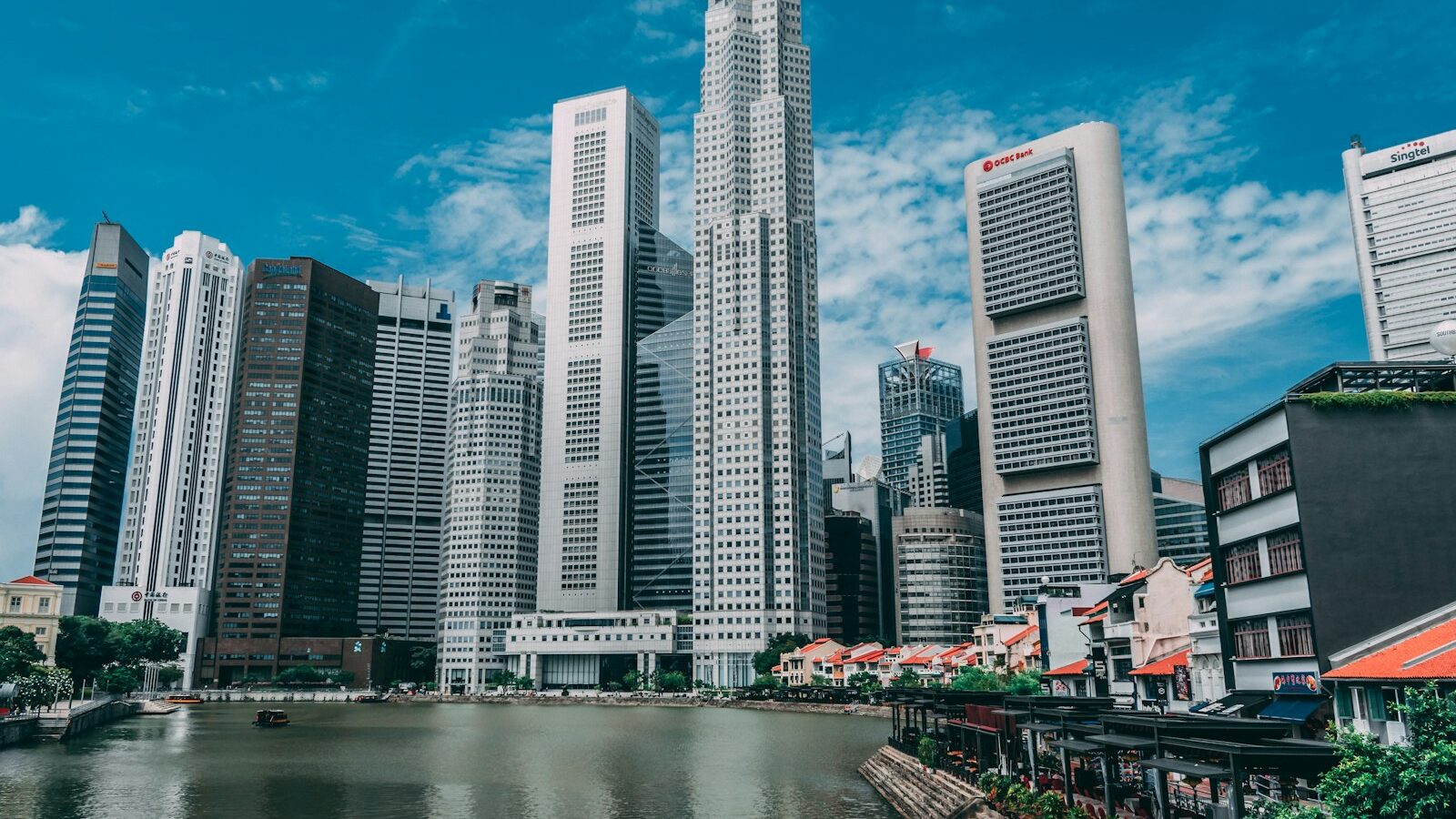
When you buy a home, the bank or HDB does not lend you the full price. It lends up to a share of the value, and you cover the rest upfront. That share is the Loan-to-Value ratio, and it decides the size of your deposit. Getting to grips with loan to value in Singapore, and how down payments split between cash and CPF, is the difference between a smooth purchase and a nasty surprise at signing. This is general information, not financial advice.
What Loan-to-Value Means
Loan-to-Value, or LTV, is simply the maximum loan expressed as a percentage of the property’s value or price, whichever is lower. If the LTV limit allowed on your loan were, for a rough illustration only, three quarters of the price, then you would borrow that portion and fund the remaining quarter yourself. The exact percentages are set by the authorities and lenders, so treat any figure as something to confirm rather than a fixed rule.
The valuation matters as much as the price. Banks lend against their own valuation, not the sticker price you negotiate. If a seller wants more than the property values at, the gap between price and valuation must be paid in cash on top of your deposit. This is why buyers ask for an indicative valuation early, so there are no shocks later.
LTV limits are a cooling and prudential tool overseen by MAS and, for HDB loans, by HDB. They can be tightened or loosened over time, so always check the current limit on the MAS or HDB website before you budget.
What Shapes Your LTV Limit
Your personal LTV ceiling is not one flat number. Several factors can pull it lower, which in turn raises the cash you need.
- Number of existing home loans. Buyers already servicing one or more housing loans typically face a lower LTV on the next one.
- Loan tenure and your age. A longer loan that stretches past a set age, or beyond a maximum number of years, usually attracts a lower LTV.
- Loan type. HDB loans and bank loans follow different LTV frameworks, and the rules differ again for HDB flats versus private property.
- Property condition and lease. For older properties or those with a shorter remaining lease, lenders may lend a smaller share, particularly where the lease does not comfortably cover the youngest buyer to a set age.
Because each of these can move your limit, ask your bank or HDB to confirm the LTV for your exact situation rather than assuming the headline figure applies to you.
How Down Payments Split Between Cash and CPF
The down payment is the part of the price your loan does not cover. In Singapore it is rarely all cash. Part can usually come from your CPF Ordinary Account, while a portion must be paid in cash. The split depends on your loan type and LTV.
For bank loans on private property and resale flats, a minimum slice of the down payment must be in cash, with the balance payable from CPF. For HDB loans, the cash requirement can be different, and buyers may be able to use CPF more freely. The precise minimum cash percentage is set by the rules and changes, so confirm the current figure with HDB, the CPF Board or your bank.
Remember that CPF used for your home is not free money. It accrues notional interest that you effectively repay to your own account when you sell, which affects your eventual cash proceeds. Plan the CPF portion with that in mind.
Comparing the Upfront Cash Picture
The table sets out, in general terms, how the upfront funding tends to differ across common paths. It shows the shape of the rules, not the exact percentages, which you must verify at the source.
| Purchase path | Loan source | Down payment funding | Key point to check |
|---|---|---|---|
| HDB flat, HDB loan | HDB | Larger CPF use, smaller cash portion possible | Current LTV and cash rules on HDB site |
| HDB flat, bank loan | Bank | Minimum cash slice plus CPF | Bank LTV and minimum cash figure |
| Private resale, bank loan | Bank | Minimum cash slice plus CPF, cash for any valuation gap | LTV, cash minimum and valuation |
| Second home loan | Bank | Larger down payment, more cash | Lower LTV for existing borrowers |
Costs Beyond the Down Payment
The deposit is only one line in your budget. Several other upfront costs land around the same time, and forgetting them is a common cause of stress.
- Buyer’s Stamp Duty, and Additional Buyer’s Stamp Duty where it applies, are taxes on the purchase. Rates vary by price and buyer profile and change over time, so check the current bands on the IRAS website.
- Legal and conveyancing fees for the lawyer who handles your purchase.
- Valuation and admin fees charged by the bank.
- The Option fee and Option Exercise fee for a resale purchase.
- A buffer for renovation, moving and a few months of repayments, so you are not living on the edge from day one.
Because stamp duty is a legal and tax matter, treat this as general information and confirm the figures with IRAS or your conveyancing lawyer.
Getting Your Numbers Straight Before You Commit
A little preparation turns the LTV and down payment maze into a checklist. Start by asking your bank or HDB for an in-principle indication of your loan and LTV, then work backwards to the cash and CPF you need. Check your CPF Ordinary Account balance, set aside your stamp duty and fee estimates, and keep an emergency buffer untouched.
If a purchase would drain every dollar of cash and CPF, that is a signal to look at a smaller home or wait, not a market call but a matter of your own resilience. Big decisions like this deserve professional input, so speak to your bank, a licensed mortgage adviser and, for the legal side, a conveyancing lawyer. If you use an agent, choose a CEA-registered one and verify them on the CEA Public Register. Every percentage here is set by the authorities and updated over time, so make checking the current official figure part of your routine.
Explore more
Once your deposit is sorted, see how much you can borrow in the first place in how much can you borrow with TDSR and MSR, and understand the CPF side in CPF accrued interest and your home. To picture the monthly commitment ahead, read understanding your mortgage repayments.
Related across Sky Media: Loan-to-Value (LTV) Limits in Singapore