
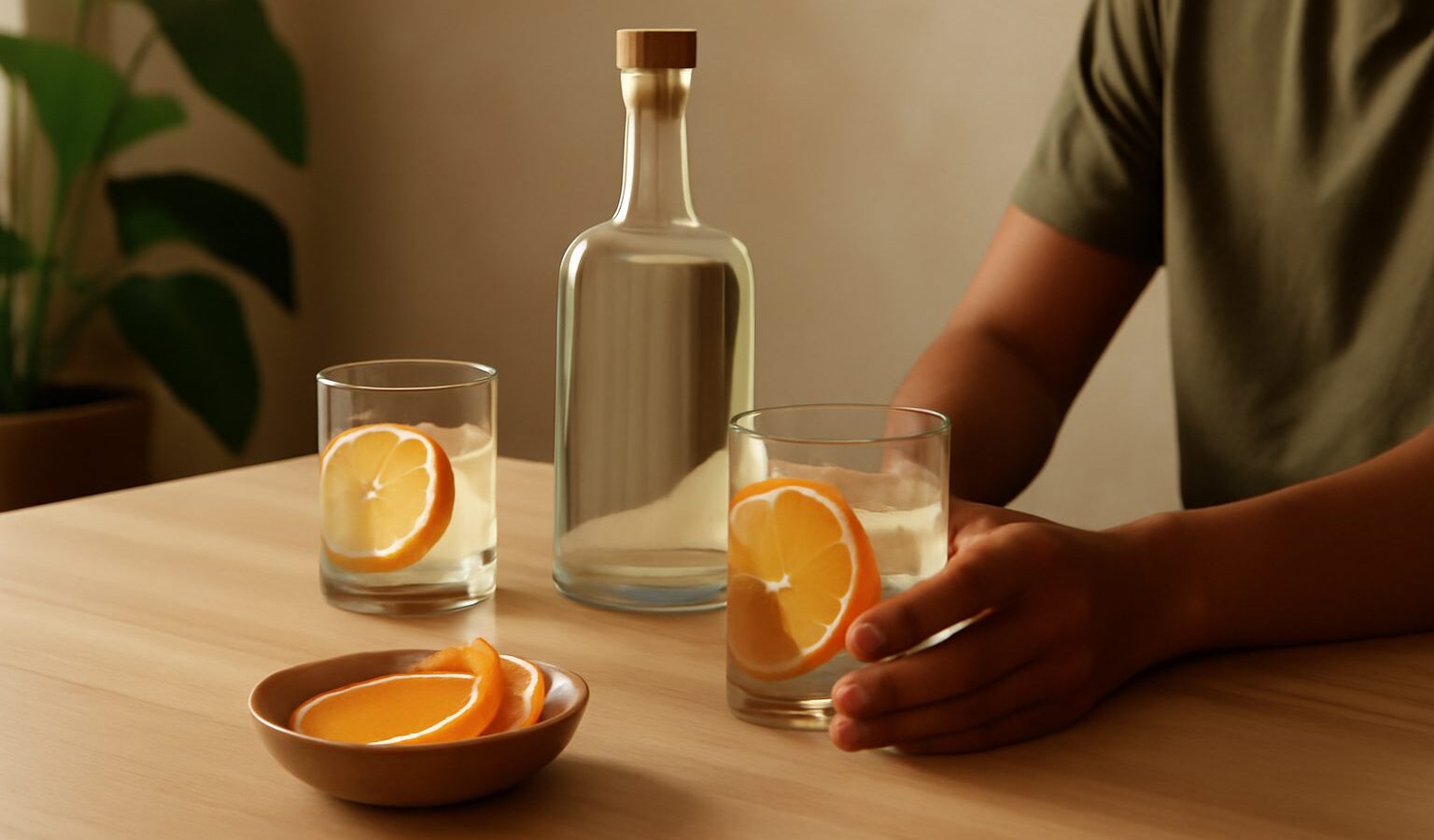
Something quietly interesting has been bubbling away in Singapore’s drinks scene. Alongside the imported bottles that fill most back bars, a small but growing wave of local craft distilleries has begun turning out gin, rum and other spirits made in tiny batches, often flavoured with botanicals that taste distinctly of this part of the world. If you have ever wondered what craft distilleries in Singapore are actually doing, this guide walks through how these spirits are made, what makes them taste local, and how to enjoy them thoughtfully and in moderation.
A quick note before we pour. Everything here is written for readers of legal drinking age who choose to drink. Spirits are strong, so enjoy them slowly and in small measures, never drink and drive, and always plan a safe way home before you head out.
What Local Craft Spirits Actually Means
Craft distilling is less about scale and more about intent. A craft distillery is usually a small operation that makes spirits in limited runs, controls the process closely, and treats each bottle as something to be tasted rather than simply poured. Instead of vast industrial columns producing neutral spirit by the tanker, you find modest copper stills, hands-on recipes, and a willingness to experiment with local ingredients.
In Singapore, that experimentation tends to circle around two spirits in particular. Gin is a natural fit because it is built on botanicals, and the region is rich in aromatic plants, fruits and spices. Rum has a foothold too, since sugar and tropical warmth suit its character. You will also come across the occasional local take on other categories, from rice-based spirits to fortified and infused bottles, as makers test what the palate here responds to.
What unites them is a sense of place. A well-made local gin does not try to taste like a classic imported label. It leans into ingredients you might recognise from a wet market or a spice stall, giving it a personality that feels rooted in Singapore rather than borrowed from somewhere colder.
How Small-Batch Spirits Are Made
The broad process is the same the world over, but the small-batch approach changes the texture of it.
- A base spirit is produced or sourced, usually a clean, high-strength alcohol distilled from grain, cane or another fermentable base.
- For gin, botanicals are added and the spirit is redistilled, so their aromas and oils carry over into the finished liquid.
- Distillers make careful cuts, keeping the flavourful heart of the run and discarding the harsher heads and tails.
- The spirit is brought down to bottling strength with water, then either bottled clear or rested in barrels for spirits meant to be aged, such as rum.
- Small batches mean recipes can be tweaked between runs, so a maker might adjust a botanical bill season by season.
The difference you taste comes from attention rather than machinery. Because runs are small, a distiller can afford to fuss over which botanicals go in, how long they steep, and where the cuts fall. That care is why craft bottles often carry more aroma and a rounder mouthfeel than mass-market equivalents, and also why they usually cost more.
The Flavours That Make It Taste Of Singapore
The most exciting part of the local scene is the botanicals. Rather than relying only on the classic juniper-and-citrus backbone, local distillers reach for ingredients that speak to Southeast Asian kitchens and gardens. Expect to meet flavours you already know from food.
Common local-leaning botanicals and notes include:
- Tropical fruit character, from calamansi and pomelo to more unusual regional fruits, giving bright, tangy top notes.
- Aromatic leaves and herbs, such as pandan for a soft grassy sweetness or curry leaf for a savoury lift.
- Warm spices you would find in a rempah, including lemongrass, galangal, ginger and pepper.
- Floral touches that nod to local blooms, adding perfume without turning the spirit sweet.
The result is a spirit that can taste surprisingly familiar and new at once. A gin scented with lemongrass and calamansi feels like Singapore in a glass, while a rested rum can pick up notes of tropical sugar and gentle spice. None of this requires you to be an expert. If you enjoy the smell of a spice stall or a plate of herbs at a zi char dinner, you already have the palate for it.
Local Craft Versus Big Imported Brands
It helps to understand where craft spirits sit next to the familiar imported bottles, because they are not really competing for the same job. The table below sketches the broad differences so you know what you are choosing between.
| Aspect | Local craft spirits | Big imported brands |
|---|---|---|
| Batch size | Small, limited runs | Large, highly consistent volume |
| Flavour profile | Distinctive, often regional botanicals | Reliable, familiar house style |
| Availability | Selected bars and shops, sometimes seasonal | Widely stocked almost everywhere |
| Typical price | Higher, reflecting small-scale making | Broad range, often more affordable |
| Best use | Sipping and showcasing in cocktails | Everyday mixing and classic recipes |
Neither is better in absolute terms. A big brand is a dependable workhorse for a home bar, while a craft bottle is more of a treat, something to open when you want to taste what a local maker has been experimenting with. Many drinkers keep both, reaching for the familiar bottle on an ordinary evening and the craft one when they want to slow down and pay attention.
How To Explore Local Spirits Responsibly
Getting into local craft spirits is easy to do sensibly, and doing it well is mostly about tasting rather than drinking quantity.
- Start at the bar. Order a single measure of a local gin or rum, or ask the bartender to build a simple cocktail around it, so you can taste before committing to a bottle.
- Try a distillery experience if one is available. Many small makers offer tastings or tours where you can smell the botanicals and learn the process first-hand, always for those of legal age.
- Taste like you would coffee. Nose it first, take a small sip, add a little water or ice to open it up, and notice how the flavours shift.
- Pace yourself. Spirits are strong, so alternate with water, eat something, and keep count of your measures.
- Plan the journey home before the first drink. Decide who is not drinking, or how you will get back safely, and never drive after drinking.
A final word on enjoyment over excess. The whole appeal of craft spirits is quality, not quantity, so a single well-made drink appreciated slowly beats several rushed ones. If you would rather skip the alcohol entirely on a given night, that is a perfectly good choice too, and plenty of bars now pour thoughtful non-alcoholic options alongside the local bottles.
Explore more
To keep exploring local drinks, read our guide to rum and tiki bars in Singapore and our look at stocking a home bar in Singapore. If you want to sample these spirits out and about, our bar-hopping neighbourhoods guide shows you where the small-batch bottles tend to turn up.