
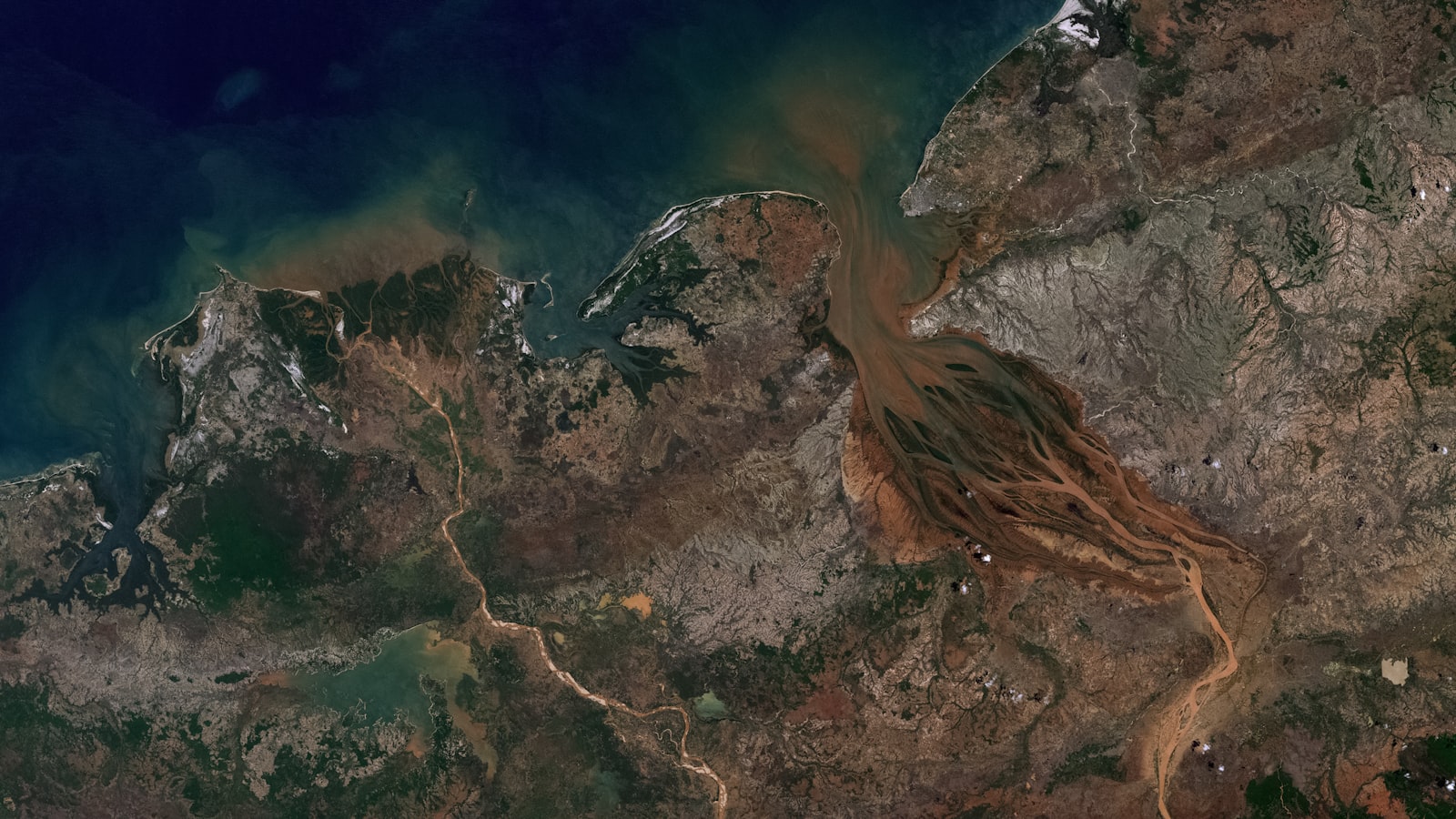
Madagascar is a world of its own, an island off the east coast of Africa where most of the wildlife lives nowhere else. Lemurs leap through forests, spiny baobabs line dusty roads, and chameleons cling to branches in rainforests that feel prehistoric. It is not an easy or polished destination, which is exactly why adventurous travellers love it. For a Singapore traveller looking for something genuinely wild and different, planning Madagascar from Singapore is a real expedition.
Getting to Madagascar From Singapore
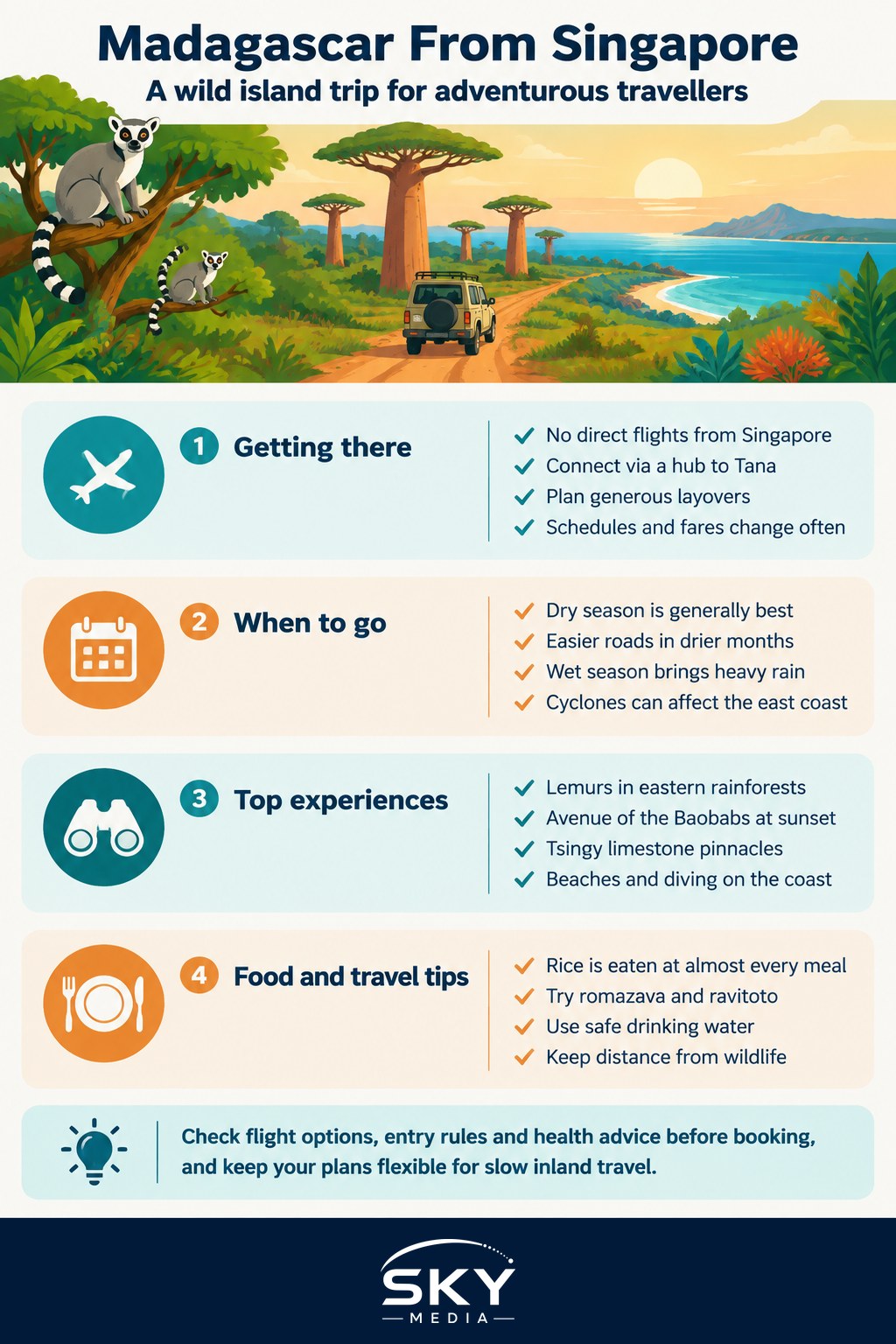
Be clear-eyed about flights. There are no direct flights from Singapore to Madagascar, so you will connect through a hub and continue to Antananarivo, the capital, usually called Tana. Common routings pass through a Gulf or African hub before the onward leg to Tana, and connections are less frequent than to major cities, so plan carefully.
Because carriers, routings, schedules and fares change often, verify current options yourself close to booking rather than relying on any fixed itinerary. Leave generous layovers, since missing an infrequent onward flight can cost you a full day or more. Once in Madagascar, be aware that internal travel is slow, so factor domestic flights or long road transfers into your plans from the start. Travellers often pair the island with a stop elsewhere in the region, such as Zanzibar, which shares part of the journey.
Best Time to Visit
Madagascar’s climate splits broadly into a warmer, wetter season from about November to March and a cooler, drier season from around April to October. The dry season is generally the most comfortable time to travel, with easier road conditions and good wildlife viewing, and it is when many lemur species are active and visible. The wet season can bring heavy rain and cyclone risk on the east coast, and some roads become difficult or impassable.
Wildlife timing varies by species and region, so if a particular animal or forest is your priority, research its best window. For most first-time visitors, the drier middle months of the year offer the smoothest experience.
Highlights of Madagascar
The lemurs are the star attraction, from the ringtails to the leaping sifakas and the haunting call of the indri, the largest of them all, in eastern rainforests such as Andasibe. The Avenue of the Baobabs near Morondava, where ancient trees line a track and glow at sunset, is one of the island’s iconic images. Tsingy de Bemaraha is a surreal landscape of razor-sharp limestone pinnacles crossed by walkways and bridges.
The rainforests of the east and the drier parks of the west and south each hold different wildlife, from chameleons and frogs to fossa, the island’s top predator. The coastlines and offshore islands offer beaches and diving for travellers who want to slow down at the end. For more trips in this vein, see our guide to nature and adventure travel from Singapore.
Food to Try
Malagasy food centres on rice, eaten at almost every meal, usually with an accompaniment of meat, beans or vegetables in a sauce. Romazava, a beef and leafy green stew, is close to a national dish, and ravitoto, pork with cassava leaves, is another staple. Coastal areas serve good seafood, and the French colonial legacy shows in bread, patisserie and vanilla, of which Madagascar is a world-leading producer. Street snacks and fresh tropical fruit round out the picture. Stick to safe drinking water and be sensible about where you eat.
Getting Around and Staying Safe
Getting around Madagascar takes time and patience. Roads are often rough and journeys are slow, so distances that look short on a map can eat a whole day. Many travellers hire a vehicle with a local driver who knows the routes, or join an organised tour, which removes a lot of stress. Domestic flights connect far-flung regions but can be limited and subject to change, so keep your schedule flexible.
On health, malaria is a risk in parts of the island, particularly coastal and lowland areas. Visit a travel clinic well before you go so a doctor can advise on vaccinations and antimalarials suited to your route and season. Our overview of travel health and vaccinations from Singapore explains how to prepare. When viewing wildlife, keep your distance, follow park rules and go with licensed local guides, both for your safety and to protect fragile habitats.
A Simple Itinerary Idea
Give Madagascar at least ten days, and more if you can, because moving around is slow. From Tana, a classic route heads east to the rainforests of Andasibe for lemurs, then loops south along the highlands toward national parks and villages. A separate branch reaches the baobabs and Tsingy in the west, which usually needs a domestic flight to save days on the road. End on the coast if you want beach time. Do not try to see the whole island in one trip, and sequence the legs realistically around the slow travel times.
Practical Tips
Check entry requirements for a Singapore passport with the Malagasy representation and any transit country, and cross-check with ICA before you travel, as rules change. Take out travel insurance that covers remote regions, adventure activities and medical evacuation, which matters on an island where good hospitals are concentrated in the capital. Carry cash for rural areas where cards are not accepted, bring insect protection, sturdy shoes and a torch, and pack for both warm days and cool highland nights.
Madagascar asks for effort, but few places reward curiosity so richly. Go with an open mind and a flexible schedule, and it delivers wildlife and landscapes you simply cannot see anywhere else, a standout trip from Singapore for the adventurous.
Frequently Asked Questions
How do I get between regions in Madagascar without losing days? Mix transport sensibly. Roads are rough and slow, so distances that look short can eat a day, while domestic flights can save time but may be limited or change. Hire a vehicle with a local driver, or join a tour, and keep your schedule flexible.
When can I see the most lemurs in Madagascar? The cooler, drier season from around April to October is generally the most comfortable, and many lemur species are active and visible then. Wildlife timing varies by species and region, so research the best window if a particular animal matters to you.
Why is the Avenue of the Baobabs so famous? Ancient baobab trees line a dirt track near Morondava and glow at sunset, making it one of the island’s iconic images. Visit around sunset for the best light. It is usually combined with Tsingy de Bemaraha, which often needs a domestic flight.
What if my flight to Antananarivo is missed or delayed? Onward flights are infrequent, so a missed connection can cost a full day or more. Leave generous layovers and avoid booking tight connections. Check current routings close to booking, and consider insurance that covers disruption and medical evacuation.
Is Madagascar suitable for first-time travellers to Africa? It can be, but it is not an easy or polished destination, and slow travel takes patience. Going with an organised tour or a local driver removes a lot of stress. Prepare for malaria risk and discuss your route with a travel clinic.
Further reading: Namibia From Singapore