
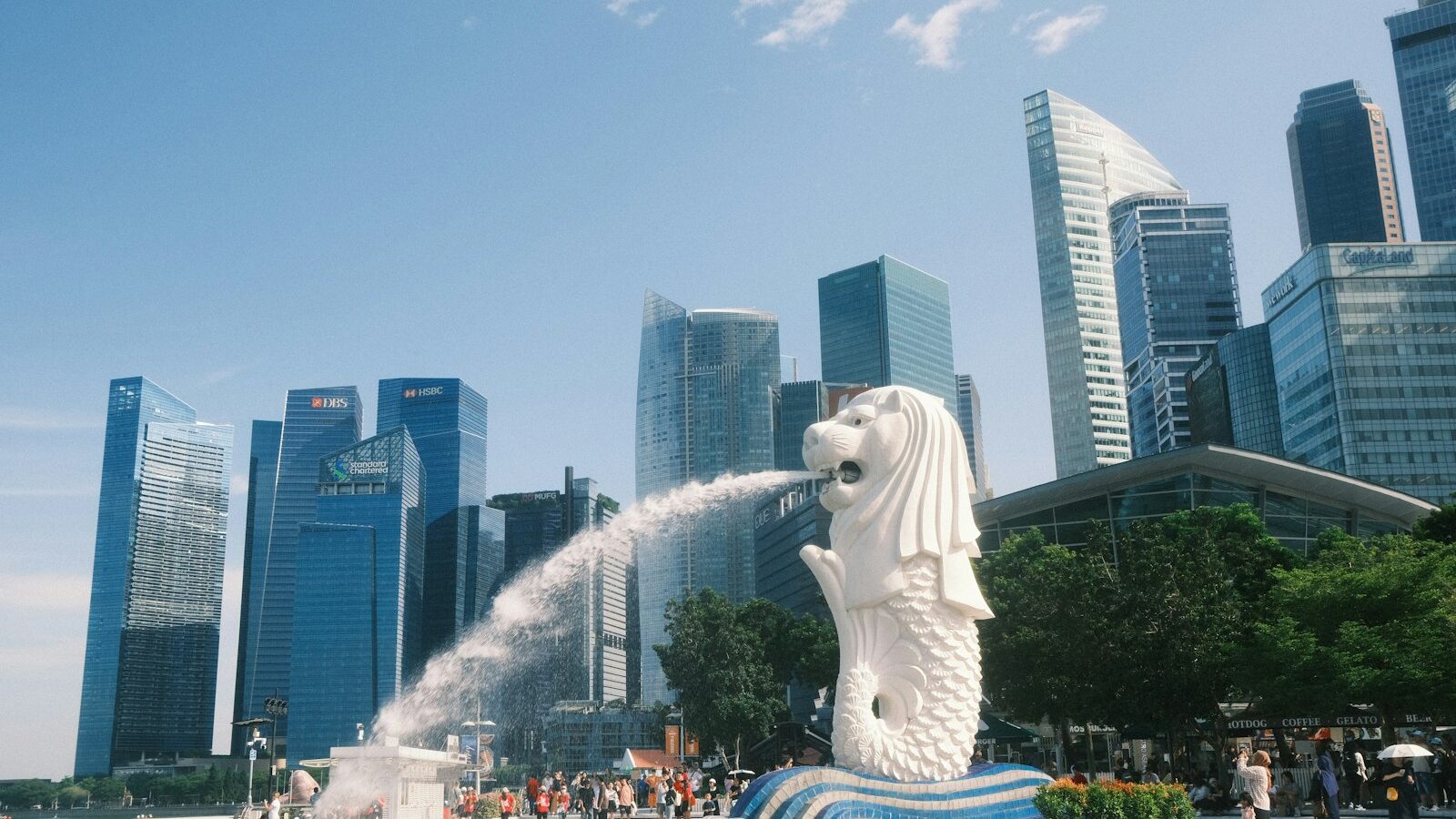
Good travel safety is not about fear. It is about a few sensible habits that let you relax and enjoy the trip, whether you are catching a red-eye out of Changi for a weekend in the region or heading long-haul for a month away. Most journeys pass without incident, and a little preparation makes the small problems, a lost card, a wrong turn, a stomach upset, into minor footnotes rather than trip-enders. This guide walks through the practical basics: what to check before you go, how to look after your money and documents, how to stay aware on the ground, and who to call if something does go wrong.
Before You Go: Do Your Homework
The most useful safety work happens before you leave home, calmly and with a coffee in hand.
- Check official travel notices. Read the Ministry of Foreign Affairs (MFA) travel notices for your destination for any current advisories, and note MFA’s advice on registration. For overseas trips, especially longer or more remote ones, consider registering your travel with MFA so you can be contacted in an emergency.
- Know the local emergency numbers. These differ by country and are not always the same as what you are used to at home. Look up the local numbers for police, ambulance and fire, and save them in your phone before you land.
- Note the nearest Singapore mission. Find the nearest Singapore embassy, High Commission or consulate for your destination and save the address and contact details. If there is no mission in the country, note the one responsible for the region.
- Understand local laws and customs. Laws on medication, photography, dress, alcohol and behaviour vary widely. Read up so you can follow local laws and respect local authorities without accidentally causing offence or trouble.
- Sort your documents and insurance. Make sure your passport has enough validity and that you have arranged suitable travel insurance. Read the policy wording so you know what is actually covered.
Confirm entry requirements directly with the destination’s embassy or consulate, and check ICA for any Singapore-side passport or exit matters, because rules change and the Singapore passport’s strong visa-free access is never guaranteed.
Money and Documents: Guard the Essentials
Most travel headaches trace back to a lost wallet, a stolen phone or a missing passport. A few simple systems reduce the pain enormously.
- Split your money and cards. Do not keep all your cash and cards in one place. Carry a small amount for the day and leave the rest, plus a backup card, in the hotel safe or a separate bag.
- Keep document copies. Photograph your passport, insurance policy, and any visas or bookings, and store them somewhere you can reach even if your phone is lost, such as a secure cloud account or an email to yourself.
- Be discreet. Count cash privately, avoid flashing expensive gadgets, and keep bags zipped and in front of you in crowds and on public transport.
- Protect your phone. Use a screen lock and enable the “find my device” feature. Your phone often holds your boarding pass, banking apps and photos of your documents, so losing it unprotected is a real setback.
If your passport is lost or stolen, report it to the local police, then contact the nearest Singapore mission for help with a replacement travel document. Cancel lost cards immediately through your bank’s app or hotline.
Staying Aware on the Ground
Awareness, not anxiety, is the goal. Blend in a little, trust your instincts, and keep the basics covered.
- Arrive informed. Know roughly how you will get from the airport to your accommodation before you land, and use licensed taxis or a reputable ride-hailing app rather than unmarked cars.
- Share your plans. Tell someone at home your itinerary and check in with them from time to time. If you are travelling solo, this matters more.
- Mind your surroundings. Be extra alert in crowded markets, transport hubs and nightlife areas, where pickpocketing is more common. If a situation feels off, leave.
- Watch food, water and the sun. In many destinations, stick to bottled or treated water and freshly cooked food to avoid stomach upsets. Our tropical bodies still burn, so pack sun protection, and pack warm layers if you are heading somewhere cold.
- Drink sensibly. Alcohol lowers awareness and is a factor in many travel mishaps. Keep an eye on your drink and know your limits, especially in unfamiliar places.
Follow the instructions of local authorities and any signs or advisories at your destination. They know the local conditions far better than any guidebook.
Choosing Your Safety Kit and Habits
You do not need much gear. A few small choices make a difference, and the right one depends on your trip.
| Situation | Sensible default | Why it helps |
|---|---|---|
| Short city break in the region | Day cash split from backup card, hotel safe for spares | Limits loss if a wallet goes missing |
| Long-haul or multi-country trip | MFA travel registration, document copies in the cloud | Easier to reach help and prove identity if papers are lost |
| Remote or outdoor activity | Local emergency numbers saved, itinerary shared, basic first-aid items | Faster response when help is further away |
| Nightlife or festival | Stay with friends, agree a meeting point, limit valuables carried | Reduces theft and helps if you get separated |
| Health-sensitive trip | See a doctor or travel clinic well before departure, carry your own medication with a note | Prepares you for destination-specific health needs |
Travel health is general information here, not medical advice. For destination-specific vaccines or medication, see a doctor or travel clinic well before you fly, declare any conditions you have, and carry your regular medicines in their original packaging.
If Something Goes Wrong
Even careful travellers hit trouble sometimes. Staying calm and knowing the order of steps is what matters.
- Get to safety and get medical help if needed. Contact local emergency services first for any injury, accident or crime in progress.
- Report it. File a police report for theft or loss, as your insurer will usually need it, and keep the reference number.
- Contact the right help. Call the nearest Singapore mission or MFA for serious situations such as a lost passport, hospitalisation, arrest, or a natural disaster.
- Reach your insurer. Note your policy’s 24-hour assistance line before you travel and use it for medical emergencies, evacuation or major claims. Check what your policy actually covers rather than assuming.
- Tell someone at home. Keep a trusted contact updated so they can help coordinate from Singapore if needed.
Remember that entitlements for things like flight delays or lost luggage depend on the airline’s conditions of carriage and your insurance, so check both rather than assuming a fixed outcome.
Explore more
For handling the worst-case scenario step by step, read our guide to handling a travel emergency abroad. To keep your cash and cards secure on the move, see managing money while travelling, and make sure you understand your cover with travel insurance explained for Singapore before you book.