
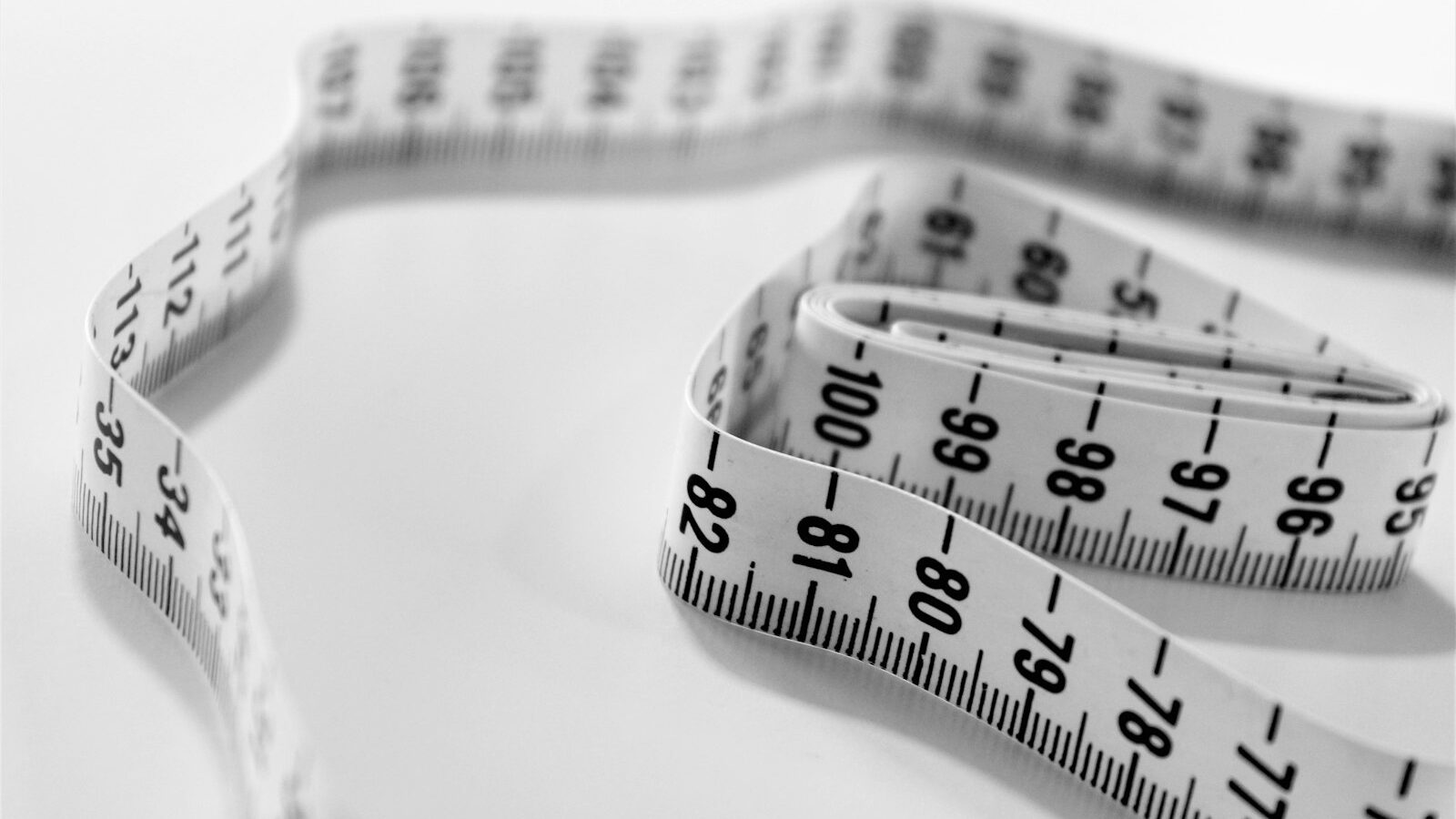
Made to measure tailoring is one of the most satisfying upgrades you can make to your wardrobe, because clothing built to your body simply sits better than anything off the rack. In our climate, a tailor can also help you choose lighter, breathable cloth that holds a clean line without leaving you sweltering. This guide explains how the process works, what happens at each stage, and how to prepare so you walk in confident and walk out with a garment you will wear for years.
Off the Rack, Made to Measure, or Bespoke
Before booking anything, it helps to know the three broad options, because the words get used loosely. Understanding the difference keeps your expectations and your budget in line.
- Off the rack with alterations. You buy a ready made garment and a tailor adjusts it to fit better, taking in a waist or shortening a sleeve. It is the fastest and most affordable route, and for many people it is enough.
- Made to measure. The garment starts from an existing base pattern that is then adjusted to your measurements. You get a noticeably better fit and some choice of fabric and details, without the full cost of a one off design.
- Bespoke. A pattern is drafted from scratch for your body alone, with several fittings along the way. It offers the finest fit and the most freedom, at the highest price and the longest wait.
Most people are best served by good alterations or made to measure. Full bespoke is a lovely thing, but you do not need it to get a garment that fits you properly.
How the Process Works
The heart of tailoring is measurement and fitting, and it usually unfolds over a few visits rather than one. Knowing the sequence removes the mystery.
First comes the consultation, where you discuss what you want, how you will wear it, and which fabric suits your needs and climate. The tailor then takes a full set of measurements, noting not just size but posture, how you stand and which side sits higher, since real bodies are rarely symmetrical. For made to measure and bespoke, you will return for one or more fittings, where the partly finished garment is pinned and adjusted on your body. Finally you collect the finished piece, ideally trying it on once more before you leave so any last tweak can be marked.
Patience matters here. A rushed single visit rarely produces a great result, and the fittings are where the fit is truly earned. Build in time, especially if the garment is for a specific event.
Choosing Fabric for the Singapore Climate
Fabric choice is where a good tailor earns their keep, and it matters even more in heat and humidity. A heavy cloth may look rich on the roll but feel punishing by midday, so weight and weave are as important as colour.
Lighter, more open weaves let air move and keep you cooler, while natural fibres tend to breathe better than dense synthetics. Think about where you will actually wear the piece. A suit that lives in air conditioned offices can be a touch heavier than one meant for outdoor events or a garden wedding. Lining is worth discussing too, since a fully lined jacket is warmer than a half lined or unlined one. A good tailor will steer you toward cloth that suits both the occasion and the weather, so ask for their honest advice rather than choosing on looks alone.
What to Expect and How to Prepare
A little preparation makes the whole experience smoother and the result better. The table below sets out what happens at each stage and how to get ready for it.
| Stage | What happens | How to prepare |
|---|---|---|
| Consultation | Discuss style, use and fabric | Bring reference photos and a clear brief |
| Measuring | Full body measurements taken | Wear or bring your usual undergarments |
| Fittings | Garment pinned and adjusted | Bring the shoes you will wear with it |
| Collection | Final garment checked and tried on | Move around and sit to test comfort |
A few extra habits help. Wear or bring the kind of shirt and shoes you plan to pair with the garment, since heel height and layers change how things hang. Be honest about how you will use the piece and how your weight tends to fluctuate, so the tailor can build in sensible ease. If you already own something that fits you beautifully, bring it along as a reference. And speak up during fittings: this is the moment to say a shoulder feels tight or a trouser sits too low, because small notes now save disappointment later.
Getting the Most From Your Tailor
The relationship with a tailor works best as a conversation, not a transaction. Explain how a garment feels, not just how it looks, since comfort is something only you can report. If something is not right at a fitting, say so plainly and kindly; a good tailor would far rather adjust it now than have you leave unhappy. Ask questions about care too, such as how often the piece should be pressed or aired, because proper upkeep keeps a tailored garment looking sharp for years.
It is also worth starting small. If you have never worked with a tailor, a simple alteration or a single made to measure shirt is a low risk way to learn how they work and whether you like the fit. Once you trust each other, more ambitious pieces become easier, because they already understand your body and your preferences. On price, expect a broad range depending on fabric, construction and how much is custom, and always confirm the cost and timeline before committing so there are no surprises.
Why the Investment Is Worth It
A well fitted garment flatters every body, not by hiding anything but by sitting cleanly and moving with you. That is the quiet magic of tailoring: it works with your shape rather than forcing you into a standard one. Because a tailored piece fits and is made to last, you tend to wear it far more often, which brings the cost per wear right down over time. Buy fewer things, have them fit properly, and look after them, and your wardrobe will feel richer than one twice its size.
Explore More
Tailoring starts with knowing your body, so read how to take your measurements for online shopping to understand the numbers a tailor works from. If you would rather find a great fit for less, see buying secondhand clothes on Carousell and our guide to sample and warehouse sales.