
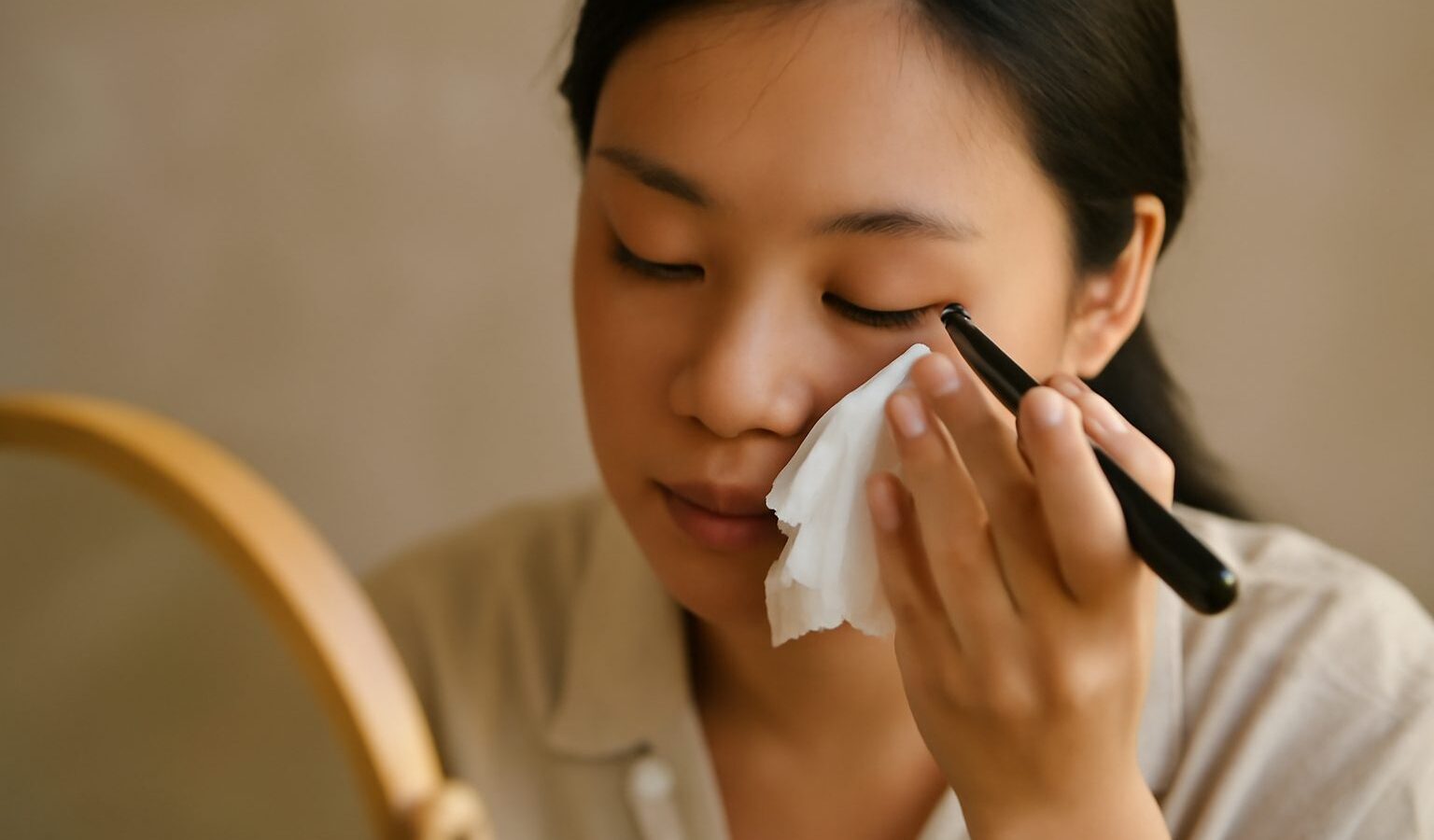
If your eyes water, sting or feel gritty when you wear eye makeup, you are far from alone, and a little care makes a real difference. This makeup sensitive eyes singapore guide focuses on gentle, hygiene-first habits that help watery eyes and contact-lens wearers enjoy makeup more comfortably. It is general grooming information rather than medical advice, so if your eyes are persistently irritated, red or sore, please see a doctor. Our aircon-heavy indoors, strong sun and long screen days can all leave eyes dry or reactive, which makes a considered approach worthwhile.
Why Eyes React
Sensitive and watery eyes have many everyday triggers, and makeup is only one of them. Fragranced or heavily pigmented products, old or contaminated formulas, glitter and fibres, and applying colour too close to the waterline can all provoke stinging or watering. Contact-lens wearers are especially prone to irritation, because tiny particles can migrate onto the lens and cause discomfort.
Environmental factors matter too. Air-conditioning is drying, screens reduce how often we blink, and rubbing tired eyes only adds to the problem. If screen fatigue is part of your day, our guide to easing eye strain and screen fatigue has practical relief tips that pair well with a gentler makeup routine.
None of this is a substitute for professional care. If irritation keeps coming back, worsens, or comes with pain, discharge or changes in vision, stop wearing eye makeup and see a doctor promptly.
Choosing Gentler Products
Product choice is the biggest lever you have. Look for formulas that describe themselves as suitable for sensitive eyes or contact-lens wearers, and keep the ingredient list simple where you can. A patch test on the inner arm before using anything new near your eyes is a sensible habit, as covered in our guide to patch testing new products.
A few practical pointers:
- Favour fragrance-free where possible, since fragrance is a common irritant.
- Be cautious with glitter and loose fibres, which can flake into the eye. Fibre mascaras, in particular, can bother sensitive eyes.
- Keep colour off the waterline. Tightlining right on the inner rim can block tiny glands and shed particles into the eye, so leave a small margin if your eyes water easily.
- Introduce one new product at a time so you can spot a reaction.
If your skin around the eyes is reactive too, our broader sensitive skin care guide offers gentle principles that apply here.
Hygiene Comes First
Good hygiene is the single most protective habit for sensitive and watery eyes. Bacteria and old product are frequent culprits behind irritation and infection, so a few disciplines are worth making non-negotiable.
- Wash your hands before touching your eyes, lenses or makeup.
- Never share eye makeup, and do not use testers directly on your eyes.
- Replace mascara and liquid liners regularly, as they harbour bacteria over time. If a product smells odd or changes texture, discard it.
- Keep brushes and applicators clean, and let them dry fully before use.
- Do not add saliva or water to dried-out mascara to revive it, as this breeds bacteria.
Our guide to makeup hygiene and storage goes into detail on keeping your kit clean, which is genuinely central for anyone with reactive eyes.
Contact-lens wearers should insert lenses before applying makeup and remove them before taking it off, to avoid trapping product against the eye. Powder shadows are often more comfortable than creams for lens wearers, and applying liner and mascara carefully, away from the inner rim, reduces the chance of particles reaching the lens.
Applying and Removing with Care
Gentle application helps a great deal. Use a light hand, tap off excess powder before it falls, and avoid tugging at the delicate eye area. If your eyes are watering on a given day, keep the look minimal rather than layering more product over teary skin, which only causes smudging and further rubbing.
Removal is where sensitive eyes are often let down. Never sleep in eye makeup, as leftover product can irritate the eye overnight and contribute to styes and inflammation. Use a gentle, eye-friendly remover and soak rather than scrub, holding a soaked pad over closed lids for a few seconds before wiping softly. Our guide to removing makeup and double cleansing walks through a kind, thorough routine. Take extra care not to drag or rub, since friction inflames sensitive eyes.
Finally, listen to your eyes. Persistent watering, redness, itching, swelling, pain or blurred vision is a signal to stop wearing eye makeup and consult a doctor, who can identify the cause and advise treatment. Makeup should never come before your eye health.
With gentle products, clean tools and careful application and removal, watery and sensitive eyes can still enjoy a soft, wearable look. Keep it simple, keep it hygienic, and always seek professional help if irritation does not settle.