
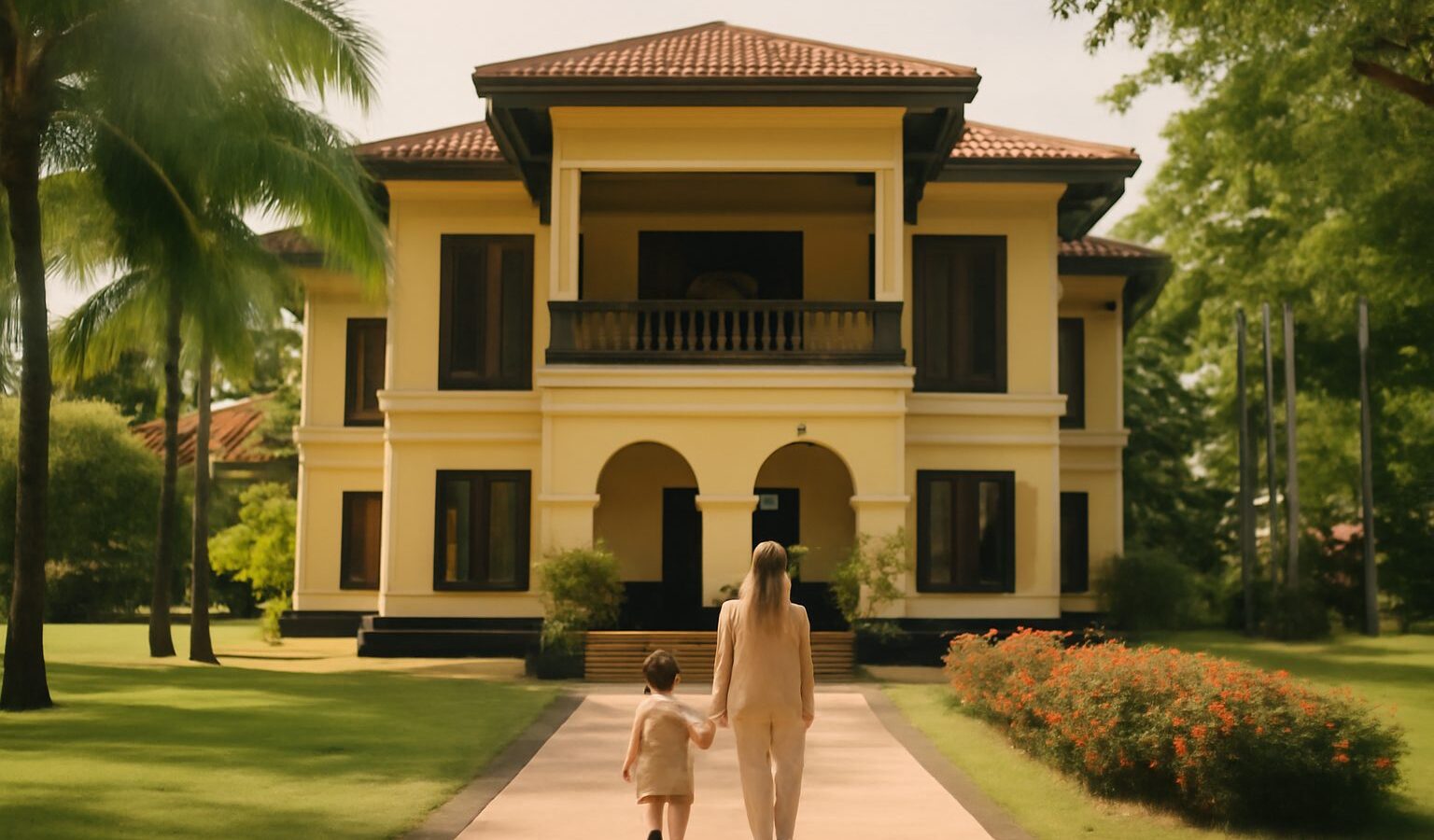
The Malay Heritage Centre Singapore sits at the historic heart of Kampong Glam and celebrates the culture, history and everyday life of the Malay community. Set within a graceful former palace surrounded by gardens, it is one of the most atmospheric heritage stops in the city, and it anchors a neighbourhood that is already a favourite for its mosque, its shophouse cafes and the colourful lanes around Haji Lane and Arab Street. A visit here turns a stroll through Kampong Glam into a much richer story.
Before you plan your trip, it is worth checking the official website, because the centre has undergone periods of redevelopment and its galleries and opening arrangements can change. A quick look online confirms what is open, when, and whether any admission applies.
What the Malay Heritage Centre Is
The centre is housed in the Istana Kampong Gelam, a former royal residence that dates back to the era when this district was the seat of Malay royalty in Singapore. That history gives the place real gravity. Walking up to the building through its grounds, you get a sense of a community that has been part of the island’s story from its earliest days. The centre uses this setting to explore Malay heritage in Singapore and the wider region, from trade and settlement to arts, faith, family and daily customs.
Rather than presenting a single fixed narrative, it draws together many threads, including the district’s role as a hub for pilgrims, publishing and craft, and the traditions that continue to shape community life today. The building and its gardens are as much a part of the experience as the displays inside.
What to See and Do
When galleries are open, expect a mix of historical artefacts, textiles, musical instruments, photographs and personal stories that trace how the community lived, worked and celebrated. Displays often cover the significance of Kampong Glam as a centre of Malay life, the crafts and trades that flourished here, and the rhythms of family and religious life. The centre has also been known for cultural programmes, workshops and performances, so it is worth seeing what is scheduled when you visit.
Even the exterior rewards attention. The palace facade, the grounds and the surrounding streets form a living heritage precinct, with the golden dome of the nearby Sultan Mosque visible close by. Many visitors treat the centre as the starting point for a wider Kampong Glam walk.
Here is a quick comparison of what different visitors tend to enjoy most:
| Interest | What to focus on | Best suited to |
|---|---|---|
| History and royalty | The former palace and district’s origins | History lovers |
| Arts and craft | Textiles, instruments, traditional skills | Culture and craft fans |
| Neighbourhood context | The gardens, mosque and surrounding lanes | Casual explorers |
| Community life | Displays on customs, family and faith | Heritage seekers |
Because programming and gallery access can vary, especially around any refurbishment, confirm the current situation, opening hours and any ticket details on the official website before you go.
Who It Suits
This is a warm, approachable heritage stop that appeals to many kinds of visitors. History and culture enthusiasts will value the depth of the setting and the community’s long story. People with Malay heritage often find it meaningful to see that story presented with care in such a significant building. Newcomers and tourists gain context that makes the whole of Kampong Glam more rewarding to explore.
Couples and friends can enjoy it as a relaxed, cultural pause between the cafes and shops of the district, while families with children will appreciate the gardens and the chance to learn together. As with most museums, the emphasis is on looking, reading and discovering rather than active play, so it suits children who enjoy exploring at a gentle pace.
- Culture and history enthusiasts
- Visitors exploring Kampong Glam in depth
- Couples and friends wanting a cultured break
- Families with curious, school-age children
Getting There and Visiting Tips
The centre is easy to reach. Bugis MRT is within a comfortable walk, Nicoll Highway is another nearby option, and plenty of buses serve the area. It sits just off the main streets of Kampong Glam, so you can pair it with the mosque precinct, the textile and rug shops of Arab Street, and the cafes and murals around Haji Lane.
Allow around one to two hours if the galleries are open, plus extra time to wander the grounds and the neighbourhood. The indoor galleries offer air conditioned shelter from the heat or rain, while the gardens and surrounding lanes are outdoor, so this works best as a mixed indoor and outdoor plan. On a wet day, lean on the indoor spaces and the many covered cafes nearby.
A few practical pointers:
- Check the official website first for the current opening status, hours, admission and any exhibitions or events.
- Build in time for a Kampong Glam walk, as the district is one of the most photogenic in the city.
- Dress modestly and comfortably, especially if you also plan to visit the nearby mosque precinct.
- Go earlier in the day for cooler, quieter conditions before the cafes and lanes fill up.
The trade-offs are straightforward. The outdoor parts of the district can be hot at midday, so plan shade and drinks, and be aware that gallery access may be limited during any redevelopment. Treat the visit as one rewarding part of a broader Kampong Glam outing rather than a full day on its own.
Explore More
Round out your heritage trail with the Peranakan Museum on Armenian Street and the Indian Heritage Centre in Little India, two more community museums that pair beautifully with this one for a fuller picture of Singapore’s cultures. For a contemporary contrast, the Singapore Art Museum brings modern and regional art into the same day out.