
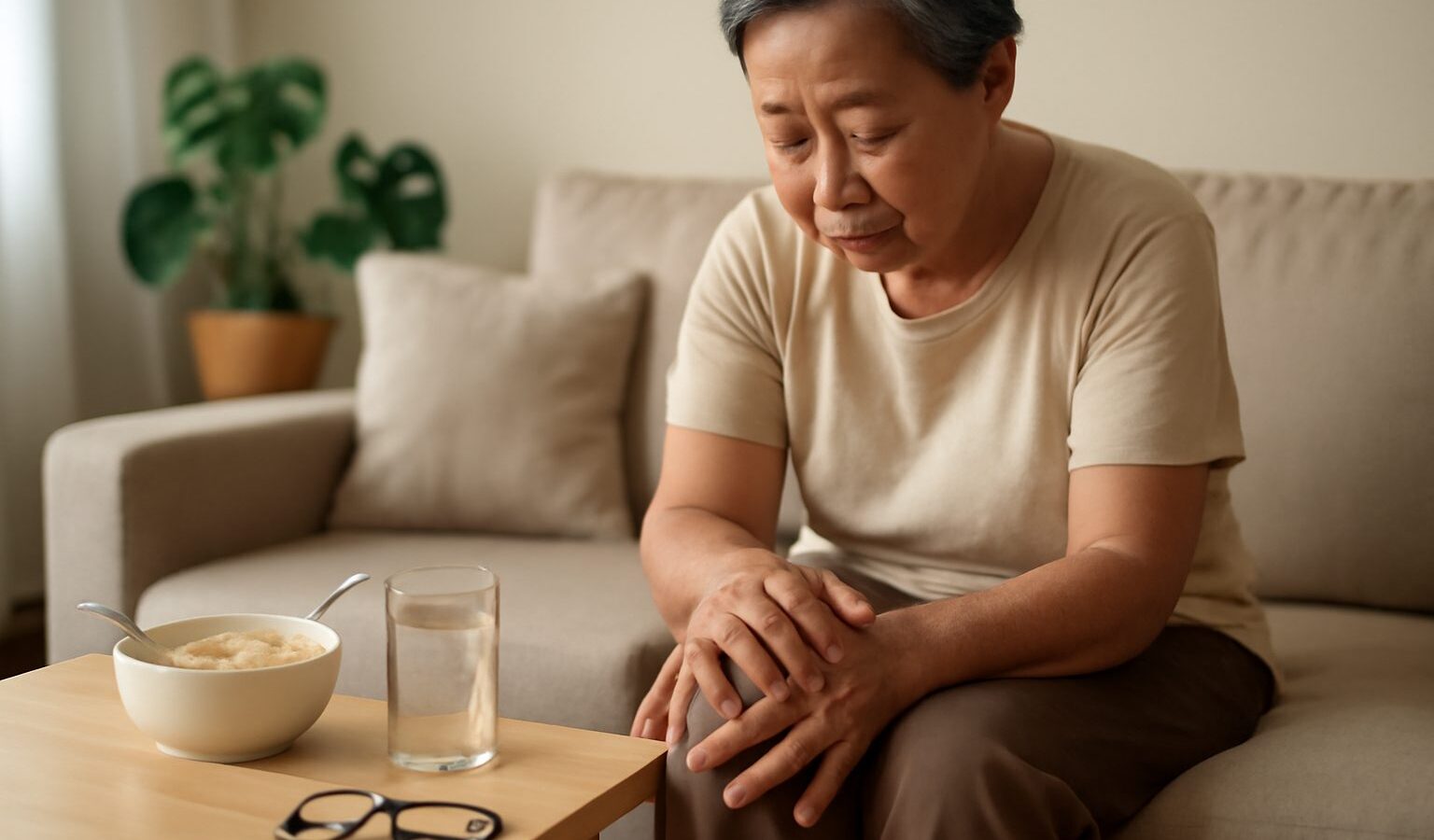
Managing arthritis well can be the difference between a life narrowed by stiff, sore joints and one that stays active, sociable and independent. Arthritis simply means inflammation of the joints, and it becomes more common as we age. It can make the knees ache on the stairs, the fingers stiff in the morning, or the hips grumble on a long walk. The good news is that a great deal is within your control. With the right habits and support, many older adults keep doing the things they love. This guide sets out practical ways to live well with arthritis in Singapore.
This is general information, not medical advice or a diagnosis. Arthritis has different types and causes, and only a doctor can assess your joints properly. Please see a doctor or the relevant specialist for diagnosis, treatment and any medication, and go to A&E or call 995 in an emergency. For trusted local health information, HealthHub and your nearest polyclinic are good starting points.
Understanding What Is Happening in Your Joints
A joint is where two bones meet, cushioned by smooth cartilage and lubricated so the bones glide rather than grind. In the most common form of arthritis in older age, that cushioning gradually wears, so the joint can feel stiff, ache, or swell, particularly after rest or heavy use. Other forms involve the body’s immune system inflaming the joints, which is a different problem that needs different care.
This is why getting a proper assessment matters. The label arthritis covers several conditions, and the right approach depends on which one you have. A doctor can examine you, arrange any tests, and explain what is going on, which takes away a lot of the worry that comes from guessing.
Movement Is Medicine, Within Limits
It feels natural to rest a sore joint, and while short rest during a flare is sensible, too much stillness usually makes stiffness worse. Gentle, regular movement keeps joints mobile, strengthens the muscles that support them, and helps with pain over time. The aim is to move often and kindly, not to push through sharp pain.
Good options for stiff joints tend to be low impact:
- Walking at a comfortable pace, building up gradually, ideally in the cooler morning or evening hours.
- Swimming or water exercise, where the water supports your weight and eases the load on knees and hips.
- Gentle stretching to keep your range of movement, done slowly and without bouncing.
- Simple strengthening, such as sit-to-stand from a chair, to support the muscles around a joint.
- Balance work, like tai chi, which many older Singaporeans enjoy in the park and which also helps prevent falls.
Start small and increase slowly. If an activity leaves a joint sore for more than a day, ease back. A physiotherapist can design a programme suited to your joints, and your doctor can refer you. Never begin a demanding new routine without checking it is safe for you first.
Everyday Habits That Protect Your Joints
Beyond exercise, small daily choices add up. Carrying less body weight reduces the load on knees and hips, so if you are above a healthy weight, gentle, gradual changes to how you eat and move can genuinely ease joint pain. A balanced diet with plenty of vegetables, wholegrains and lean protein supports your general health while you are at it.
Protecting your joints during ordinary tasks also helps. Use larger, stronger joints for heavy jobs, such as carrying a bag on your forearm rather than gripping it in your fingers. Spread tasks through the day rather than doing everything at once. Warmth can soothe stiffness, while a cool pack can calm a swollen joint, though you should check with your doctor about what suits your situation.
Simple aids make a real difference and are nothing to feel self-conscious about. Grab bars in the bathroom, a raised toilet seat, jar openers, long-handled tools and supportive footwear all reduce strain. An occupational therapist can suggest practical adjustments for your home and daily routine.
Managing Pain Sensibly
Pain is the body’s signal, and managing it well helps you stay active rather than retreating into stillness. There are many approaches, from movement and warmth to pacing your activities and relaxation techniques that reduce the tension pain creates. The right medical treatment for pain, if any, is a decision for your doctor or pharmacist, who can weigh it against your other conditions and medicines.
Please do not start, stop or change any medication on your own, and avoid self-prescribing based on what worked for a friend, because what suits one person may harm another. If pain is disrupting your sleep, your mood or your daily life, that is a clear reason to see your doctor. Persistent pain deserves proper attention, and there is much that can be done. Our guide to managing chronic pain in older age explores this further.
Knowing When to Seek Help
Use the table below as a rough guide to what you can often manage day to day and what should prompt a visit to your doctor. It is not a substitute for professional assessment.
| Situation | Often self-care first | See a doctor |
|---|---|---|
| Mild morning stiffness that eases | Gentle movement, warmth | If it lasts or worsens |
| A joint that is hot, red and swollen | Rest and cool the joint | Promptly, to rule out other causes |
| Pain disturbing sleep or daily life | Pacing, gentle activity | Yes, for a proper review |
| Sudden severe pain after a fall | Rest and support the joint | Urgently; consider A&E |
| Joints giving way or locking | Take care to avoid falls | Yes, for assessment |
Living Well Alongside Arthritis
Arthritis is common, but it does not have to define your later years. Stay as active as your joints allow, keep to a healthy weight, protect your joints in daily tasks, use aids without embarrassment, and work with your doctor and physiotherapist on a plan that fits you. Staying connected socially matters too, since it lifts mood and keeps you moving. Because arthritis affects mobility, it links closely to broader concerns such as understanding frailty in older age and staying steady on your feet. With steady effort and the right support, most people manage arthritis well and keep enjoying the activities and company that make life rich.