
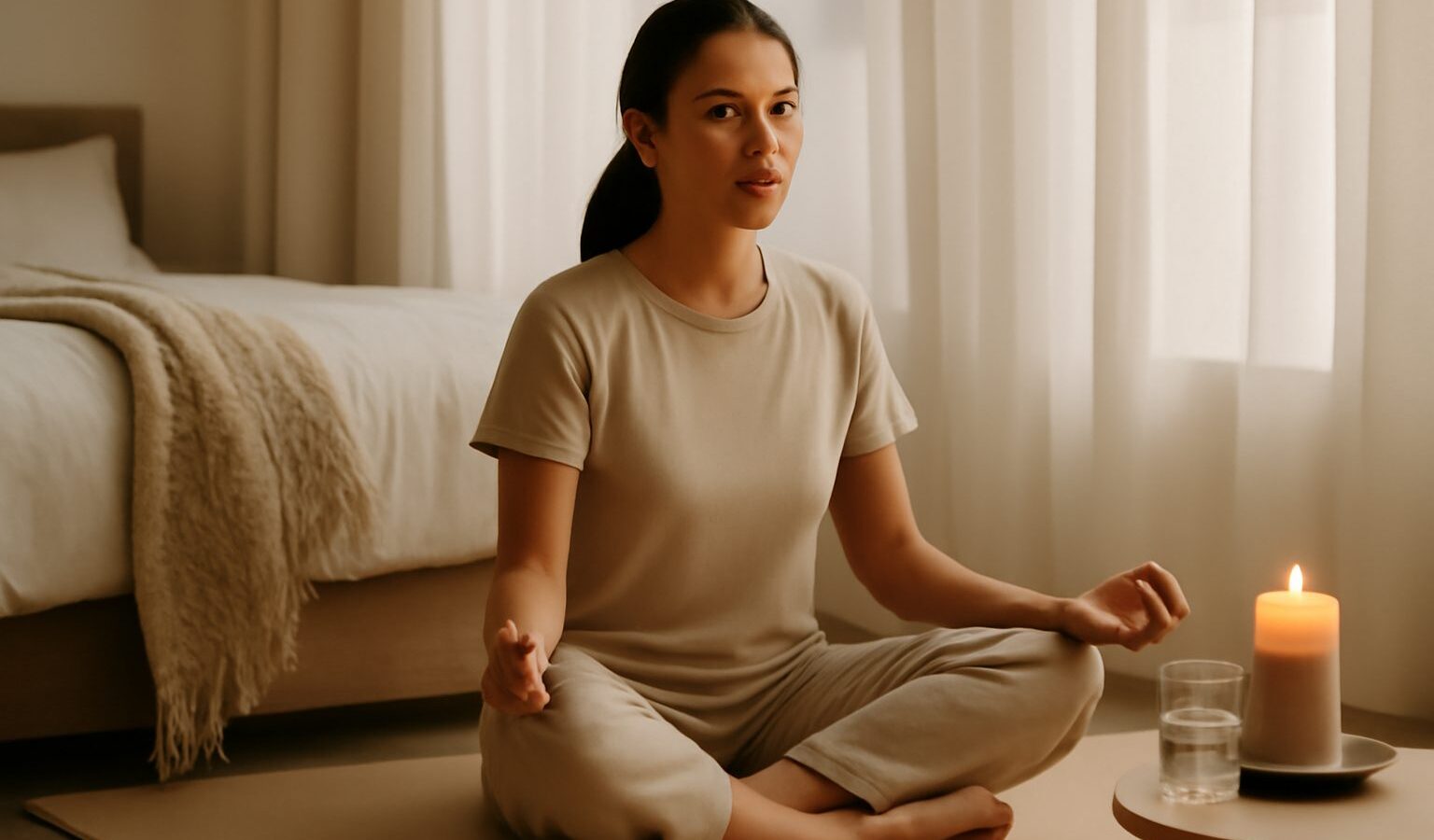
When stress builds up, it often shows up in the body before we consciously notice it: a tight jaw, hunched shoulders, a clenched stomach we only feel when we finally sit down. Progressive muscle relaxation, usually shortened to PMR, is a simple technique that works with exactly that pattern. You deliberately tense one muscle group at a time, then release it, and in doing so you teach yourself to recognise and let go of tension you might otherwise carry all day. For anyone exploring progressive muscle relaxation in Singapore, it is an easy, equipment-free skill that fits neatly into a hectic urban routine. This guide covers what it is, how to do it, and when it helps most.
What Progressive Muscle Relaxation Is
PMR is a structured relaxation method built around a two-step rhythm: tense, then release. You work through the body in an order, often from the feet upwards or the hands inwards, squeezing each muscle group gently for a few seconds and then letting it go completely while you notice the contrast.
The idea behind it is that most of us are surprisingly bad at knowing when we are tense. We hold our shoulders near our ears for hours without registering it. By first tensing a muscle on purpose, you make the sensation obvious, and the release that follows feels clearer and more complete. Over time, this trains you to spot everyday tension earlier and to let it soften without a big production.
It is worth saying plainly that PMR is a relaxation and self-care practice, not a medical treatment. It can be a lovely way to unwind and to calm a racing mind, and it sits comfortably in the same toolkit as our broader guidance on managing stress and relaxation. It is not a cure for anxiety, chronic pain, or any medical condition, and it should never replace advice from a doctor when something more serious is going on.
How to Do It, Step by Step
You need almost nothing to begin. A quiet spot, a chair or a bed, loose comfortable clothing, and about ten to twenty minutes. In our warm climate, a room with a fan or gentle aircon helps you stay comfortable while lying or sitting still.
Here is a simple way through it:
- Settle into a comfortable position, either sitting supported or lying down, and take a few slow, easy breaths.
- Start with your feet. Curl your toes and tense the muscles for around five seconds, not so hard that it hurts, then release and notice the looseness for ten to fifteen seconds.
- Move up to your calves, then thighs, repeating the same tense-and-release rhythm.
- Continue through the stomach, hands, arms, shoulders, and finally the face, where many of us hold hidden tension around the jaw and forehead.
- Finish by lying still for a minute, letting the whole body feel heavy and settled.
A few pointers make it work better. Keep the tensing gentle, especially anywhere that already aches, and skip any area that is injured or painful. Breathe normally throughout rather than holding your breath. And do not rush the release, because the letting-go is really the whole point.
If you find the tensing uncomfortable, a softer variation simply guides your attention through each body part and invites it to relax without the squeeze. That approach overlaps with the deep-rest practice in yoga nidra and deep rest, and many people blend the two.
When It Helps Most
PMR is flexible, which is part of its charm. You can use a full session as a deliberate wind-down, or borrow a quick version for a stressful moment during the day.
Some situations where it earns its keep:
- At night, as part of a calming pre-sleep routine. It pairs naturally with building a better sleep routine, since a relaxed body finds it easier to drift off.
- Before a nerve-wracking event, like a presentation or an interview, when a shortened version focused on the shoulders, hands, and jaw can take the edge off.
- During a long day at a desk, where even one round through the upper body loosens the tension that builds from hunching over a screen.
You can also combine PMR with slow breathing for a stronger calming effect. Our notes on breathwork and relaxation techniques explain a few gentle breathing patterns that layer well on top of the muscle work.
Consistency matters more than intensity. Like any skill, PMR gets easier and more effective the more you practise it, so a few minutes on most days will serve you better than one long session once in a blue moon. Do not worry about doing it perfectly, and do not judge a session by how relaxed you feel afterwards, because some days simply carry more tension than others.
A short wrap-up. Progressive muscle relaxation is a friendly, low-effort way to notice and release the physical tension that stress leaves behind, and it needs nothing more than a quiet few minutes. Start slow, keep the tensing gentle, and build the habit gradually. If you are dealing with persistent pain, ongoing anxiety, or physical symptoms that worry you, please see a doctor, because those deserve proper care rather than a relaxation exercise alone.