
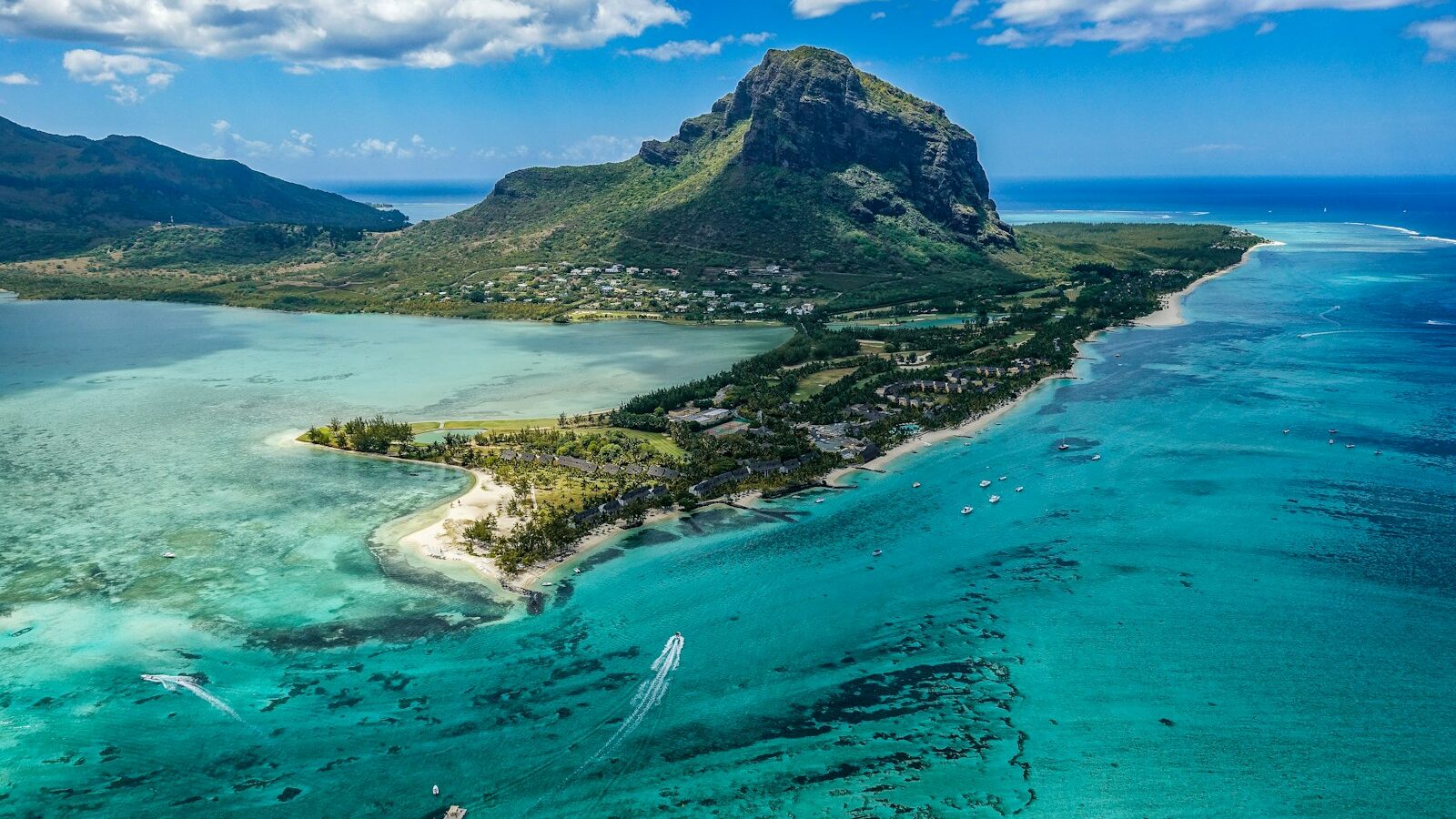
Dreaming of Mauritius from Singapore usually means one thing: turquoise lagoons fringed by white sand and swaying palms. This Indian Ocean island delivers that postcard in full, but there is far more behind the beaches, from jagged green mountains and waterfalls to a warm multicultural blend of Creole, Indian, Chinese and French heritage. It is a classic honeymoon and family beach destination, relaxed and welcoming, and a refreshing change from the region’s more familiar resort islands. If you want proper barefoot downtime with culture and nature on the side, Mauritius makes a strong case.

Getting There From Singapore
Mauritius sits out in the Indian Ocean, so it is a genuine long-haul beach trip. Direct flights connect Changi with Mauritius in roughly seven hours, which is very manageable for a tropical escape and shorter than many assume. There are also one-stop routings through hubs in the Gulf, South Asia or Africa if the timing or fare suits you better, though the direct service is the easy favourite.
Mauritius is four hours behind Singapore, so the time difference is small and jet lag minimal. The airport sits in the southeast of the island, and most resorts arrange transfers, since public transport to far-flung beaches is limited. Depending on where you stay, the drive from the airport can take from around thirty minutes to over an hour, so factor that in when choosing a base.
Best Time To Visit
Mauritius enjoys warm weather year-round, but it has seasons flipped from the northern hemisphere. The cooler, drier months from around May to December are widely considered the best all-rounder, with pleasant temperatures, lower humidity and good conditions for the beach and hiking. The warmer, wetter season from January to April brings heat, humidity and the chance of tropical cyclones, though it also delivers lush green landscapes and warm seas.
Conditions vary by coast because of the trade winds, which shape where and when to go for specific activities. Diving and snorkelling are generally clearest in the calmer months, while kitesurfers chase the windier season on the south and east coasts. Whenever you visit, the sea stays warm enough for swimming.
| Season | Months | Weather | Best for |
|---|---|---|---|
| Cool dry | May to Dec | Mild, less humid | Beaches, hiking, general trips |
| Warm wet | Jan to Apr | Hot, humid, rain | Lush scenery, warm seas, deals |
| Windy | Jun to Aug | Breezy on some coasts | Kitesurfing, sheltered west beaches |
Top Things To See And Do
The beaches are the headline, and they differ by coast. The north around Grand Baie is lively with water sports, dining and nightlife; the west near Flic en Flac and the dramatic Le Morne peninsula offers sunsets and calmer swimming; the east has some of the most photogenic lagoons and upscale resorts; and the south is wilder, with rugged cliffs and fewer crowds. Snorkelling, diving, glass-bottom boats and catamaran cruises to offshore islets are easy to arrange.
Inland, the scenery surprises first-timers. The Black River Gorges National Park has rainforest, viewpoints and waterfalls with hiking trails; the seven-coloured earths at Chamarel and its nearby waterfall are a classic stop; and the sacred crater lake of Grand Bassin draws Hindu pilgrims to its temples and giant statues. The capital, Port Louis, offers a busy market, waterfront and colonial history, while botanical gardens, rum distilleries and tea routes fill relaxed days. Le Morne mountain, a moving UNESCO-listed symbol of the island’s history, is both a landmark and a climb.
Where To Stay
Mauritius is built around resorts, and your coast sets the mood. The north suits those who want activity, restaurants and a social scene within reach. The west is good for sunsets, dolphins offshore and easier access to mountains. The east is the choice for serene, upscale lagoon resorts and quiet luxury, while the south appeals to travellers after nature and dramatic, less-developed coastline. Accommodation runs from family-run guesthouses and self-catering villas to large all-inclusive beach resorts; the all-inclusive model is popular here and can simplify budgeting. Book the coast that matches your priorities, since getting around the island takes time.
Food And Dining
Mauritian food is a delicious mash-up of Indian, Creole, Chinese and French flavours, and Singaporean palates feel right at home. Try curries and rotis, Creole rougaille stews, fresh seafood, and street snacks like dholl puri flatbreads and samosas, with plenty of tropical fruit. For those who need halal food, the island’s large Muslim community means halal options are available, especially Indian and street-style eateries, though it is worth confirming at individual restaurants and resorts rather than assuming. Vegetarians are well served thanks to the strong Indian influence, with abundant lentil, vegetable and rice dishes. Resort buffets cater to international tastes, while local markets and roadside stalls give the most authentic flavours.
Getting Around
Getting around takes planning, as the island is bigger than it looks and public buses, while cheap, are slow for reaching resorts and sights. Many visitors rely on resort transfers, taxis arranged through their hotel, or private drivers for day trips, agreeing fares in advance. Renting a car gives the most freedom to explore beaches, mountains and villages at your own pace, though driving is on the left, roads can be narrow and winding, and rural signage is limited. A mix of a hire car for exploring days and relaxed resort time often works best.
Practical Tips For Singapore Travellers
The currency is the Mauritian rupee, cards are accepted at resorts and larger venues, and it is handy to carry cash for markets and small stalls. English and French are widely used alongside Creole, so communication is easy for Singaporeans. Mauritius is generally a safe, laid-back destination, with the usual care for valuables on the beach and normal precautions after dark; check MFA advisories before you travel.
On entry rules, requirements for Singapore passport holders can change, so confirm the latest with the Mauritian authorities and ICA before booking, and check your passport validity. For any vaccinations, sun protection or health precautions, see a doctor or travel clinic before departure. With a short-for-long-haul flight time, warm seas and genuine variety beyond the sand, Mauritius is one of the Indian Ocean’s most rewarding escapes from Singapore.
Explore More
For another dazzling long-haul trip in the same part of the world, our Cape Town from Singapore guide pairs beautifully with a Mauritius beach week. If you would rather bookend your island time with a Gulf city, read Doha from Singapore and Abu Dhabi from Singapore, both easy stopovers on the way.
Frequently Asked Questions
Is Mauritius good for a honeymoon or family holiday from Singapore? It suits both. Couples enjoy quiet lagoon resorts, especially on the east coast, while families like the calm western beaches and all-inclusive resorts that simplify budgeting. The direct flight of about seven hours is manageable with children.
Which coast of Mauritius should I choose? Pick by mood. The north is lively with water sports and dining, the west has sunsets and calmer swimming, the east offers serene upscale resorts, and the south is wilder with fewer crowds. Because getting around takes time, choose the coast that fits your priorities.
Is an all-inclusive resort worth it in Mauritius? It often is if you want simple budgeting and plan to spend most days at the resort. If you want to explore the island and eat at local stalls, a villa or guesthouse may give better value. Compare what each package includes before booking.
Do I need to rent a car in Mauritius? Not necessarily. Resort transfers and hotel-arranged taxis work for beach-focused stays, while a hire car gives freedom to see the mountains, waterfalls and villages. Driving is on the left, as in Singapore, but roads can be narrow and winding, so drive carefully.
Is there anything to do in Mauritius beyond the beach? Yes, quite a lot. Black River Gorges National Park offers rainforest hikes, Chamarel has its seven-coloured earths and waterfall, and Grand Bassin is a sacred crater lake. Port Louis, botanical gardens and rum distilleries fill relaxed days, and Le Morne is a UNESCO-listed landmark.
Further reading: Madagascar From Singapore · Fiji from Singapore: A Travel Guide · Seychelles from Singapore: A Travel Guide