
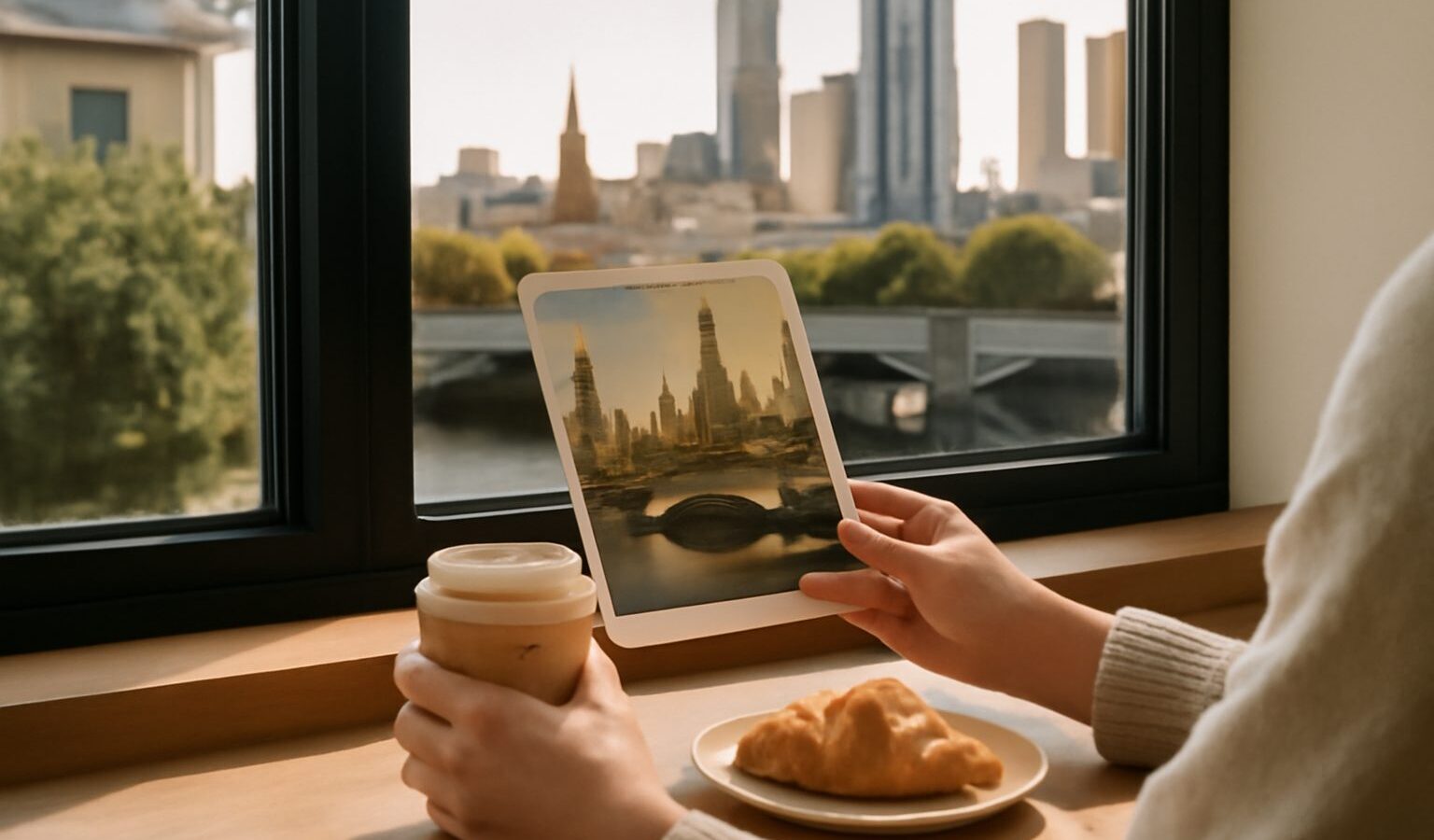
Melbourne from Singapore is a classic long-haul choice for travellers who love food, coffee, culture and easy city walking over big-ticket sights. Australia’s second city is famous for its laneways, its arts scene and a cafe culture that borders on obsession. It is compact enough to explore on foot and by tram, yet it opens onto wine regions, coastline and countryside for those who want to venture out. This guide covers why Melbourne appeals, when to go, how to get there, where to stay and what to do, all from a Singapore traveller’s point of view.
Why Melbourne Appeals to Singapore Travellers
Where some cities lead with landmarks, Melbourne leads with atmosphere. Its charm hides in graffiti-lined laneways, hidden bars, independent shops and a rolling calendar of events. For Singaporeans, that makes it a rewarding trip if you enjoy wandering, eating well and soaking up a creative, relaxed vibe rather than ticking off monuments.
The city is also famously multicultural, which shows up most happily on the plate. You will find comforting Asian food alongside Italian, Greek and Middle Eastern cooking, so there is always something familiar within reach. Add a strong events culture spanning sport, music and the arts, and Melbourne suits repeat visits as much as a first trip.
- Renowned coffee and cafe culture
- Laneways full of art, bars and small shops
- A packed calendar of sport, music and cultural events
- Easy access to wine country, coast and day trips
Best Time to Visit Melbourne
Melbourne sits in the Southern Hemisphere, so seasons run opposite to Singapore. Broadly, warmer months fall around December to February and cooler months around June to August. The city is well known for changeable weather, and locals joke about four seasons in one day, so a light layer is wise year-round no matter the forecast.
The table below offers a rough seasonal feel to help you plan. Treat it as a general guide, not a forecast, and check current conditions closer to your dates.
| Season | Rough months | General feel | Good for |
|---|---|---|---|
| Summer | Dec to Feb | Warm, event-filled, busier | Festivals, outdoor dining, day trips |
| Autumn | Mar to May | Mild with golden leaves | Walking, galleries, wine country |
| Winter | Jun to Aug | Cold and moody, some rain | Coffee, museums, cosy indoor culture |
| Spring | Sep to Nov | Fresh and blooming | Gardens, sport, outdoor events |
If you want warmth and a buzzing events calendar, aim for the summer months, but expect more visitors and higher demand. For mild walking weather and thinner crowds, autumn and spring are excellent. Melbourne in winter has its own charm too, all warm cafes and indoor culture, if you do not mind the chill.
Getting There From Singapore
Melbourne is a long-haul flight from Singapore, on the order of a long overnight or full-day journey rather than a short regional hop. The route is served by a mix of full-service and lower-cost carriers, with both direct and one-stop options depending on your budget and schedule. Overnight flights are popular so you can sleep en route and arrive ready to explore.
Sort these practical points before you travel:
- Visa. Australia generally requires a visa or travel authorisation arranged in advance, even for a short holiday. Requirements change, so confirm the current rules for your passport and apply in good time before booking.
- Time difference. Melbourne runs a few hours ahead of Singapore, and the gap can shift with daylight saving in the warmer months. Keep it in mind for your first-day plans and calls home.
- Arrival and transfers. The main airport sits outside the city, with bus, ride-hailing and taxi links into the centre. Once in town, trams, trains and buses cover most journeys, usually via a reloadable transport card.
Fares and schedules vary a lot by season and demand, so compare current options and book when the timing suits you. The guides at the end can help with planning the departure.
Where to Stay: Melbourne’s Main Areas
Melbourne is a city of distinct neighbourhoods, and your base sets the tone for the trip. Pick an area that matches the holiday you have in mind.
- CBD and the Laneways. The central grid puts you among the famous laneways, arcades, theatres and dining. Best for first-timers who want everything within walking or tram distance.
- Fitzroy and Collingwood. Inner-city neighbourhoods known for street art, vintage shops, bars and a creative streak. Great for travellers chasing local character.
- Southbank and the Arts Precinct. Riverside living beside galleries, the arts centre and dining. Convenient and scenic, good for culture lovers.
- St Kilda. A bayside suburb with a beach, a promenade and a laid-back seaside feel. Ideal if you want water views a short tram ride from the centre.
- Carlton. Home to Melbourne’s Italian dining strip and leafy gardens. A pleasant, walkable base with a strong food pull.
For a first visit, a central base keeps sightseeing simple. Return travellers often choose an inner suburb like Fitzroy or St Kilda to live a little more like a local.
Top Things to Do and See
Melbourne rewards curiosity, so blend the highlights with plenty of unstructured wandering.
- Explore the laneways. Duck through the CBD’s lanes and arcades to find street art, coffee, hidden bars and small shops. This is the quintessential Melbourne experience.
- Ride the trams. The free city loop tram is an easy way to orient yourself, and the wider network reaches most neighbourhoods cheaply.
- Visit the gardens and river. Stroll the Royal Botanic Gardens and along the Yarra River for green space in the heart of the city.
- Dive into culture. Museums, galleries and the arts precinct give plenty to do, especially on cooler or rainier days.
- Take a day trip. The Great Ocean Road, the Yarra Valley wine region and the Dandenong Ranges are popular escapes within reach of the city.
Sport and live events run year-round, so it is worth checking what is on during your dates, as a match or festival can become a highlight in itself.
Food, Coffee and Markets
Coffee is close to a religion here, and cafe-hopping is a genuine daily pleasure. Expect skilled baristas, generous brunches and a fierce pride in the local roast. Beyond coffee, the dining scene is broad and multicultural, with strong Italian, Greek, Middle Eastern and Asian food, so Singaporean palates will find plenty that feels like home.
A few things worth seeking out:
- A proper Melbourne flat white and a weekend brunch
- The city’s markets for produce, snacks and street food
- Italian dining in the Carlton area
- The deep bench of Asian eateries across the inner suburbs
Tipping is not obligatory in the way it is in some countries, though rounding up for good service is welcome. Prices range widely by venue, so mixing casual eats with the occasional special meal keeps the trip balanced.
Practical Tips for Singapore Travellers
A little planning goes a long way in a city known for its changeable weather.
- Dress in layers. Conditions can swing within a day. A light jacket and something waterproof are smart choices year-round.
- Use public transport. Trams, trains and buses on a reloadable card cover most trips, and the central tram zone is often free.
- Walk the neighbourhoods. Much of Melbourne’s magic is on foot, so leave time to wander without a fixed plan.
- Budget flexibly. Costs vary and climb in peak season and during major events. Balancing free walks and markets with a few paid highlights helps.
- Verify before booking. Flight schedules, fares and entry rules change often. Confirm current details and your visa requirements before locking in dates.
Melbourne rewards travellers who slow down, follow their nose down a laneway and let the day unfold. Plan the essentials, leave room to explore, and it makes a rich, easy escape from Singapore.
Explore more
Weighing up Australian options? See our Gold Coast from Singapore and Sydney from Singapore guides to compare, and read our first-time traveller tips before you go. For the journey out, our Changi Airport guide and best travel apps for Singapore guide help you plan smoothly.