
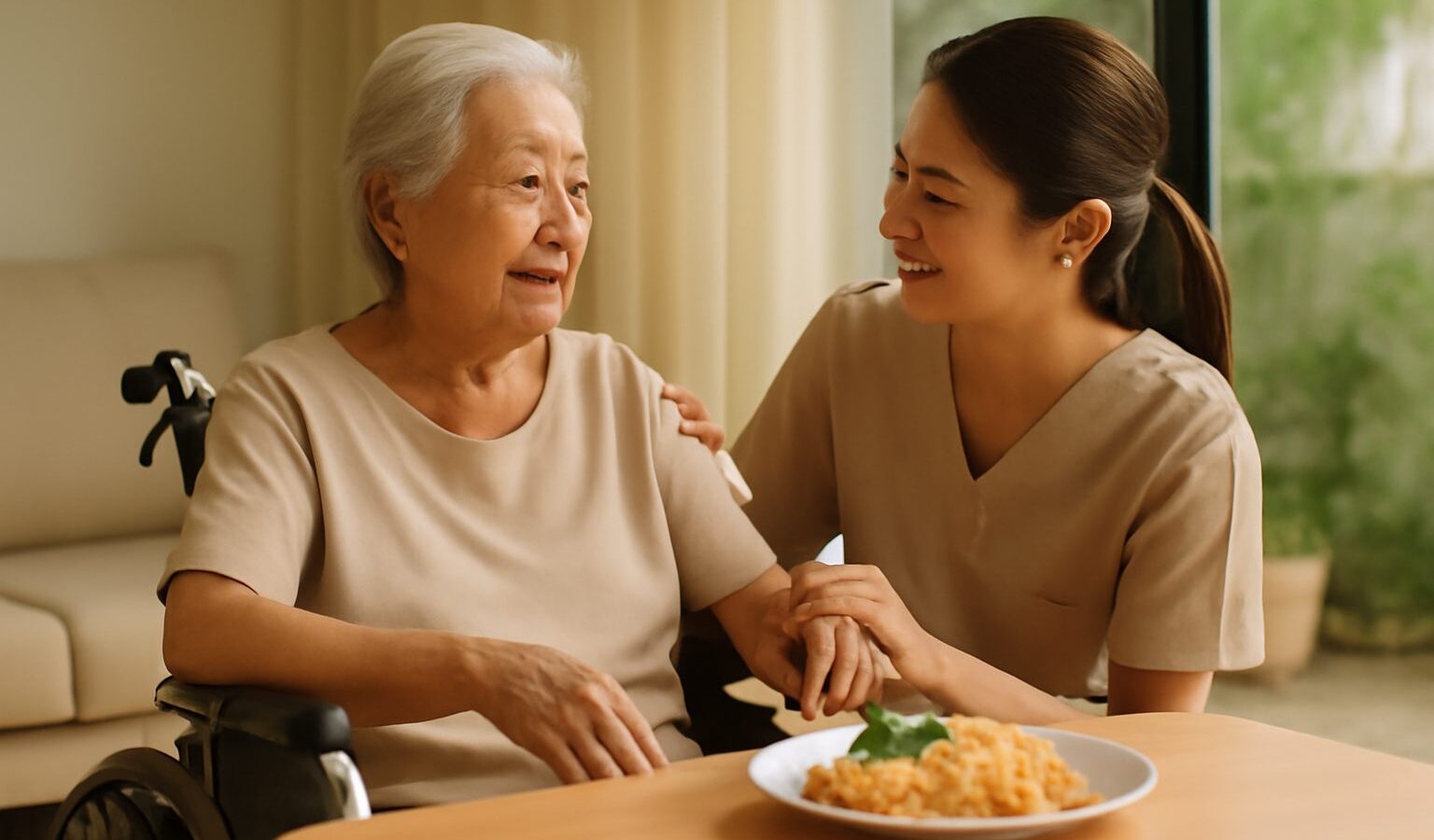
Deciding whether a loved one should move into a nursing home is one of the hardest choices a family can face. It often arrives after months of trying to manage at home, and it can carry guilt as much as worry. Yet for some seniors, a good nursing home offers safer, steadier, more dignified care than a stretched household can provide. This guide to nursing homes Singapore families rely on aims to make the decision clearer, covering when residential care makes sense, the types available, what to look for on a visit, and how the application works. It is general information, not medical, financial, or legal advice.
When a Nursing Home Is the Right Choice
A nursing home is worth considering when care needs have grown beyond what can be safely met at home, even with help. Common signs include a senior needing round-the-clock supervision, frequent medical care or nursing that family cannot provide, repeated falls, advanced dementia with wandering or safety risks, or a sole caregiver reaching the point of exhaustion or illness themselves.
It is not a failure to reach this point. Ageing in place is a wonderful goal, but it is not always the safest one. The honest questions are whether your loved one’s daily and medical needs can be met at home, whether the home environment is safe, and whether the caregiver can sustain the load without harm to their own health. If the answer to any of these is no, residential care may be the kinder option. Before deciding, it is worth speaking with the senior’s doctor and the Agency for Integrated Care (AIC), who can assess needs objectively.
Types of Nursing Homes
Nursing homes in Singapore broadly fall into two groups, and understanding the difference helps set expectations.
- Government-funded and voluntary welfare organisation (VWO) homes. Many nursing homes are run by VWOs or receive government funding, and residents who are Singapore Citizens or Permanent Residents may qualify for subsidies through means-testing. These homes are a common choice for families who need support with cost.
- Private nursing homes. Run on a commercial basis, private homes may offer different facilities, staffing arrangements, or room options. They typically cost more and generally attract lower or no subsidy.
Both types are regulated and must be licensed to operate. The right choice depends on care needs, budget, location, and availability, and AIC can help you understand which homes suit your situation and what support you may be eligible for.
What to Look For in a Nursing Home
Visit in person before deciding, and if you can, visit more than once and at different times of day. A tidy lobby tells you little; watch how staff speak to residents, how residents look, and whether the atmosphere feels calm and cared-for.
| Nursing home factor | What to check |
|---|---|
| Licensing and accreditation | Confirm the home is properly licensed; ask about its standards and any accreditation |
| Staffing and ratios | Ask how many care staff and nurses are on duty across day and night shifts |
| Medical support | Check access to doctors, nursing care, medication management, and links to nearby hospitals |
| Hygiene and safety | Look for cleanliness, absence of odour, grab bars, non-slip floors, and infection-control practices |
| Activities and engagement | Ask about daily activities, therapy, and social programmes that keep residents active |
| Food and dietary needs | Check meal quality, variety, and whether special or cultural diets are catered for |
| Location for visiting | A home closer to family means more frequent visits, which matters for wellbeing |
| Culture and communication | Notice whether staff are warm and responsive, and how the home communicates with families |
Trust your observations. If something feels off, ask about it. A good home welcomes questions and is transparent about routines, staffing, and how it handles concerns.
Applying and the Means-Testing Process
The application route for a subsidised nursing home usually runs through the Agency for Integrated Care rather than by approaching a home directly. In practice, a referral often begins at a hospital, where a medical social worker can start the process when a patient is due for discharge, or you can approach AIC yourself.
The general steps look like this:
- Needs assessment. The senior’s care needs are assessed to confirm that a nursing home is appropriate and to gauge the level of care required.
- Means-testing. For subsidised places, a means-test looks at household circumstances to work out the level of support a resident may receive. This is how subsidy tiers are determined.
- Placement. AIC helps identify suitable homes with availability and supports the admission.
Costs, subsidy levels, and eligibility criteria are set by the authorities and change over time, so treat any figures you come across informally with caution. For anything to do with fees, subsidies, or who qualifies, verify directly with AIC and the Ministry of Health (MOH). This article does not quote prices for that reason, and none should be invented on your behalf.
The Emotional Side for Families
The paperwork is rarely the hard part. Moving a parent or spouse into residential care can stir guilt, grief, and disagreement among siblings. These feelings are normal, and they do not mean you are doing the wrong thing. Choosing a safe, caring home is itself an act of love.
A few things help. Involve your loved one in the decision as much as their condition allows, so they keep a sense of control and dignity. Talk openly with family so the choice is shared rather than carried by one person. Once the move happens, stay involved through regular visits, calls, and a good working relationship with the staff; your presence matters enormously to a resident’s wellbeing. And be gentle with yourself. If the weight feels heavy, a family service centre or counsellor can help you process it.
Explore More
To see how a nursing home sits alongside other choices such as home care and day care, read our overview of long-term care options in Singapore. If you are still supporting a parent at home and weighing what comes next, our guide to caring for an elderly parent in Singapore offers practical, compassionate help. Whichever stage you are at, the Agency for Integrated Care is the best first call.