
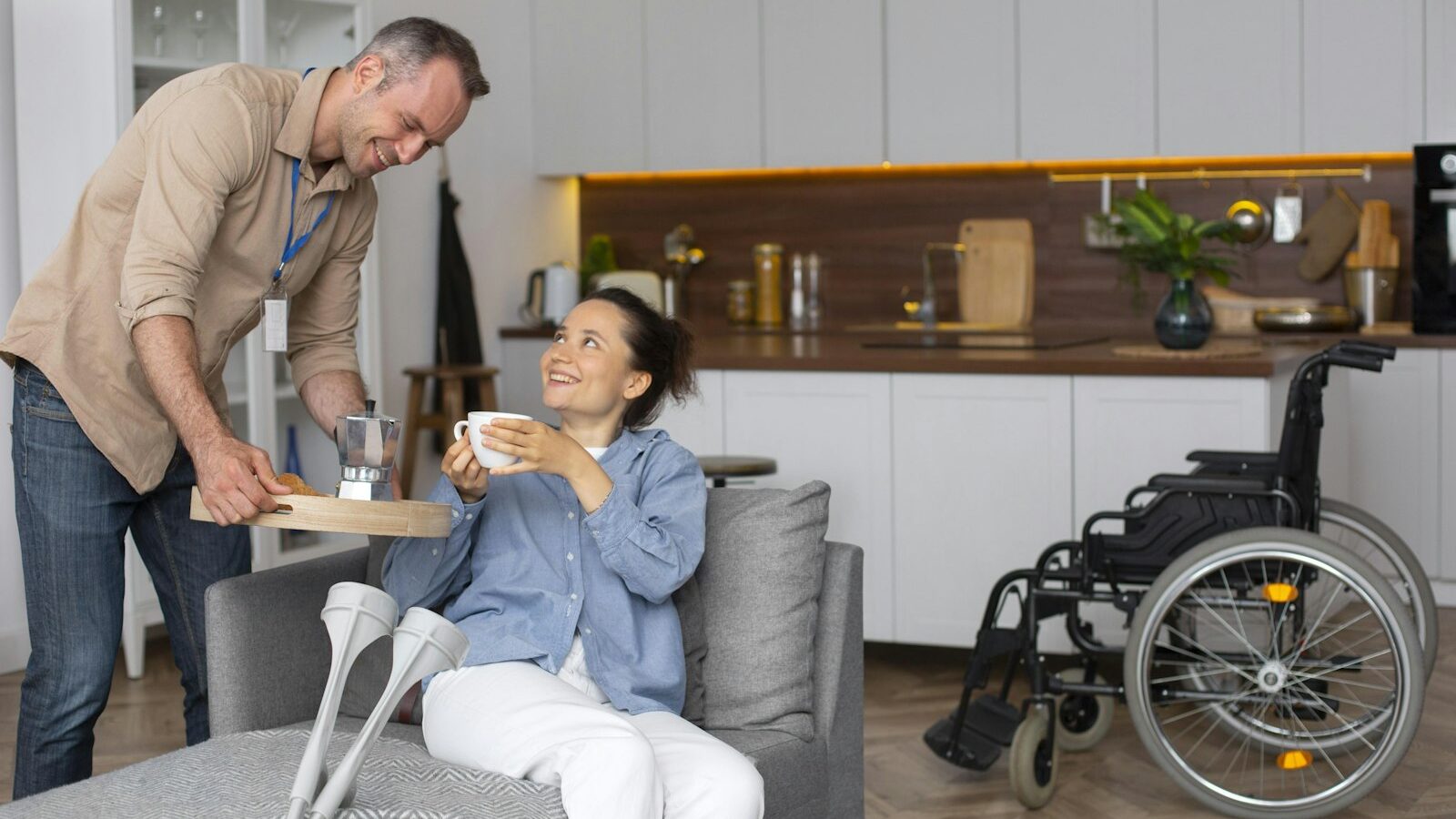
Small changes to a home can make the difference between a senior ageing safely in place and a preventable fall in the bathroom. EASE programme home modifications are the government’s way of helping older HDB residents make their flats safer and easier to move around. Understanding what the Enhancement for Active Seniors (EASE) scheme covers, who qualifies, and how to apply can help families act before an accident rather than after one. This guide offers general information, and you should confirm current details directly with HDB.
What the EASE Programme Is For
EASE stands for Enhancement for Active Seniors, an HDB initiative that fits elderly-friendly features into flats so that older residents can live more safely and independently. The idea behind it is simple and sound: many falls and daily struggles at home come from fixable hazards, and a handful of well-placed fittings can remove much of the risk.
The programme focuses on the parts of the home where seniors are most likely to slip or strain, particularly the bathroom and the movement between rooms. Rather than a major renovation, EASE offers a set of practical, standard improvements designed for safety and ease of use. Because it is run by HDB and offered at subsidised rates for eligible households, it is usually far more affordable than arranging equivalent work privately.
The Improvements EASE Typically Covers
While you should confirm the exact list and specifications with HDB, EASE generally centres on a small number of high-impact fittings. Each targets a common cause of accidents or difficulty for older residents.
- Grab bars in and around the bathroom, near the toilet and shower, to steady a person where floors are wet and slips are most likely.
- Anti-slip treatment on bathroom and toilet floor tiles, reducing the chance of a fall on smooth, wet surfaces.
- Ramps to smooth out steps at the flat’s entrance or between different floor levels inside, helping those who use a wheelchair, walking frame, or who simply find steps hard.
These may look modest, but they address exactly the situations where seniors are most at risk. A single grab bar by the toilet, or anti-slip tiles in a shower area, can prevent the kind of fall that leads to a fracture, a hospital stay, and a lasting loss of confidence and independence.
Who Can Apply and How Costs Work
EASE is aimed at households with elderly members or those with particular mobility needs, and it can be taken up either on its own or together with certain HDB upgrading works. Eligibility rules, the age or need criteria, and the subsidy a household receives depend on factors such as the ages of occupants and other conditions HDB sets, and these can change over time.
For that reason, this guide does not quote figures. The cost to a household is subsidised, with the amount payable depending on the flat type and the household’s circumstances, and HDB is the only reliable source for the current rates and criteria. Before assuming your parent does or does not qualify, or budgeting for a set sum, check the latest position with HDB directly.
| Feature | What it helps with | Where it is usually fitted |
|---|---|---|
| Grab bars | Steadying when standing, sitting, or showering | Beside the toilet and within the shower area |
| Anti-slip floor treatment | Reducing slips on wet, smooth tiles | Bathroom and toilet floors |
| Ramps | Easing movement over steps and level changes | Flat entrance and internal thresholds |
If your parent’s needs go beyond what EASE covers, such as a hospital-style bed, a stairlift, or wider structural changes, these usually fall outside the programme. An occupational therapist can assess the home and recommend the right mix of fittings and equipment, and the Agency for Integrated Care can advise on other support that may be available.
Applying and Getting the Home Ready
The application route depends on your circumstances. Eligible flat owners can generally apply to HDB directly, and EASE is also offered in conjunction with certain estate upgrading programmes when they reach a block. HDB’s official channels, including its website and service centres, set out how to apply, what documents are needed, and the current process, so start there for accurate, up-to-date steps.
A little preparation makes the process smoother:
- Walk through the home first. Note where your parent struggles, slips, or holds onto furniture for support, so you can raise the right areas.
- Involve your parent. They know where they feel unsteady, and fittings work best when placed for how they actually move.
- Consider a professional assessment. An occupational therapist can identify hazards a family might miss and suggest the safest placements.
- Keep your documents ready. Confirm with HDB what proof of eligibility and ownership you will need before applying.
- Think beyond the fittings. Good lighting, removing loose rugs and clutter, and keeping walkways clear add safety that costs little.
Because a home is where most of daily life happens, these improvements often do more than prevent accidents. They help an older person keep washing, moving, and living with dignity and confidence, which is exactly what ageing well in place is about.
Making the Most of a Safer Home
Fittings help most when paired with everyday habits. Encourage your parent to use the grab bars rather than furniture, to wear well-fitting non-slip footwear, and to take their time on wet floors. Review the home again as needs change, since a setup that suits someone today may need adjusting after an illness, a fall, or a change in mobility.
Home safety is one part of a wider picture of staying well and independent. Regular health checks, staying active, good nutrition, and keeping socially connected all support a senior’s ability to live safely at home. Where more help is needed, the Agency for Integrated Care can connect families to home care, therapy, and community services.
This article is general information for education, not professional advice, and eligibility and details differ by household. For the current scope, criteria, costs, and application steps of EASE, always confirm directly with HDB, and consider an occupational therapist’s assessment for your parent’s specific needs.
Explore More
A safer home is one piece of helping a parent stay well and independent. To understand where home safety fits within the wider support available, our guide to navigating the healthcare system for an ageing parent is a helpful companion. If a fall or declining health is prompting bigger questions about care, it may also help to read about deciding when a nursing home is the right choice.