
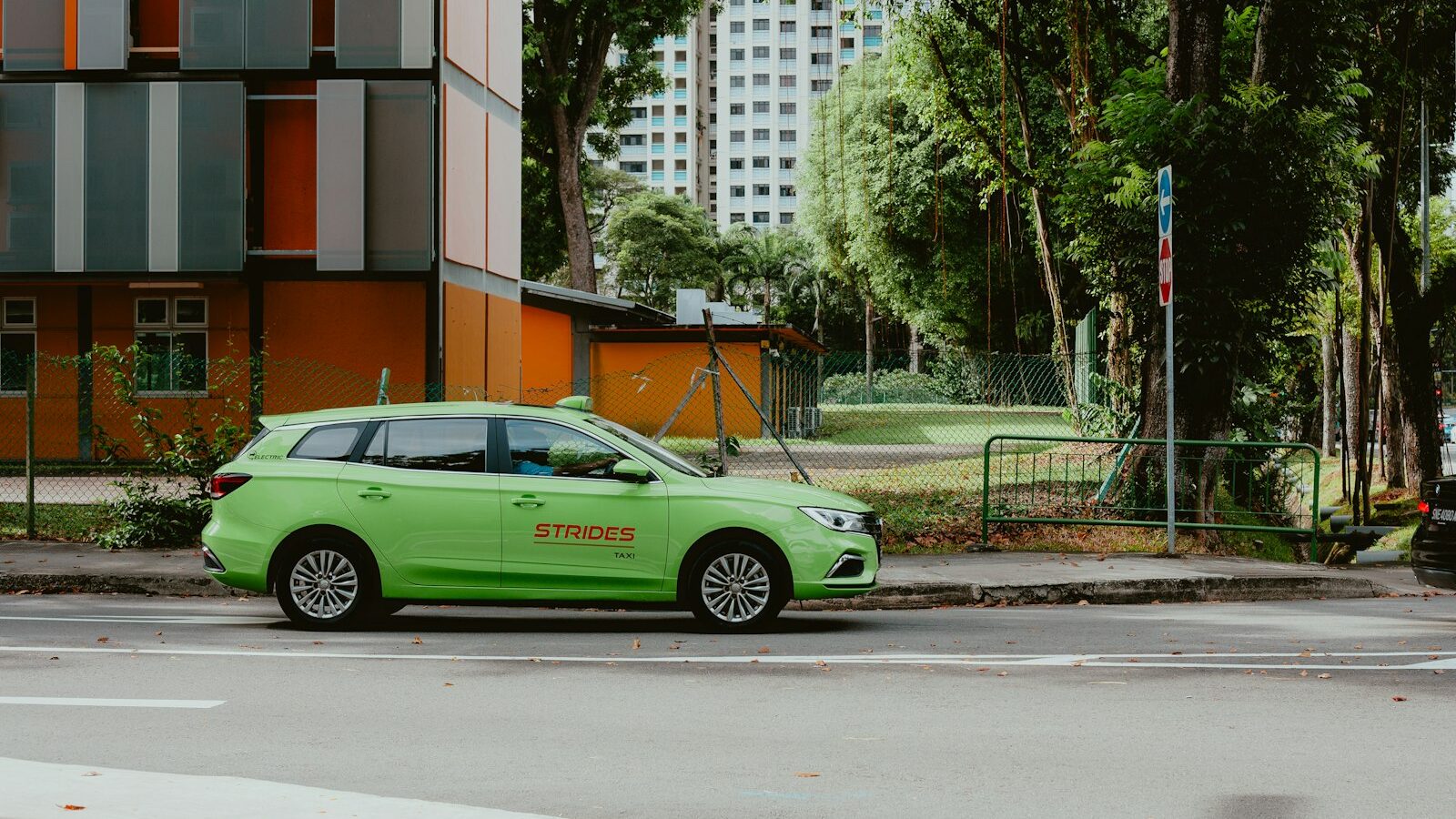
If you are settling into life here and thinking about going electric, understanding EV charging Singapore is the single most important step before you buy. An electric car changes how you refuel: instead of a quick stop at a petrol station, you plug in, and where and how you do that shapes your daily routine and your costs. For newcomers from mainland China, some parts of the system will feel familiar and others will not, so it helps to get the basics clear first.
This is general information to help you ask good questions. It is not advice on any particular car or charger. For the current rules on vehicles, incentives and roadworthiness, always check with the Land Transport Authority (LTA), and confirm charging details with the charging operators themselves.
AC and DC charging explained
Charging comes in two broad families, and knowing the difference will save you a lot of confusion.
AC charging uses alternating current and is the slower, gentler type. It is what you usually find at home, at workplaces, and in many car park bays. Because it is slower, it is well suited to charging while your car is parked for hours anyway, such as overnight or during a working day. Most electric cars sold here accept AC charging through a common connector type, but you should always confirm what your specific model supports.
DC charging, sometimes called fast or rapid charging, uses direct current and can add a lot of range in a much shorter time. You find DC chargers at dedicated charging points, some petrol stations, and along busier routes. They are convenient for topping up quickly when you are out, but they are typically more expensive per unit of energy than AC charging, and very frequent fast charging is generally not recommended for the long term health of the battery.
A simple way to think about it: AC for the slow, routine charging where the car sits idle, and DC for the occasional quick boost when you are short on time.
Home charging versus public charging
Where you charge is often the deciding factor in whether an electric car suits your life here.
Home charging is the most convenient option if you can arrange it. You plug in overnight and start each day with a full or near full battery. The catch for many residents is that installing a home charger depends entirely on your parking situation, which we cover below.
Public charging covers the growing network of chargers in public car parks, malls, and dedicated sites run by various charging operators. Each operator usually has its own app, account, and pricing, so many owners end up with more than one app on their phone. Before relying on public charging, it is worth checking which operators have chargers near your home, your workplace, and the places you visit often.
| Charging setting | Typical speed | Best for | Main consideration |
|---|---|---|---|
| Home charger | Slower AC | Overnight, daily routine | Needs approval and suitable parking |
| Workplace charger | Slower AC | While you work | Depends on your employer’s facilities |
| Public AC point | Slower AC | Shopping, longer stops | Operator app and account needed |
| Public DC point | Faster DC | Quick top ups on the go | Usually costs more per unit |
Charging if you live in a condo or HDB flat
This is the part newcomers most often overlook, so plan for it early.
If you live in a condominium, installing a personal charger in your parking bay is not something you can simply decide on your own. It usually needs the approval of the management corporation, and the process, feasibility and cost depend on the building’s electrical capacity and rules. Some newer developments are better equipped than older ones. Speak to your building’s management before you commit to buying an electric car, because a refusal or a long wait can change your plans entirely.
If you live in an HDB flat and park in a public car park, home charging in the private sense is generally not available in the same way. Instead, the approach relies on chargers installed in HDB and public car parks by appointed operators. Availability varies from estate to estate and is expanding over time, so check what is actually installed near you rather than assuming a charger will be there when you need it.
In both cases, never attempt to run a cable from a household socket across a shared area or to rig up an unofficial charging setup. It is unsafe and against the rules. Use proper, approved charging equipment installed by qualified people.
Running costs and everyday practicalities
Electric cars shift your spending around rather than simply making it disappear. You save on petrol, but you pay for electricity, and the price per charge depends on whether you use cheaper home or slower AC charging or more expensive public DC charging. Because tariffs and operator pricing change and vary, we will not quote figures here. Work out a realistic estimate using current rates from your electricity retailer and the charging operators you expect to use.
Beyond energy, remember the wider costs of running any car here, which can be substantial. There are the usual ownership charges set by the authorities, insurance, servicing, and eventual battery considerations over the long life of the car. Electric cars generally have fewer moving parts than petrol cars, which can mean simpler routine servicing, but you should still budget for maintenance and follow the manufacturer’s schedule.
A few habits make ownership smoother. Plan your charging around where the car naturally sits idle, so charging becomes something you barely think about. Keep at least two charging operator apps set up so you are not stuck if one point is out of service. Do not routinely run the battery to empty or always charge to the very top, as sensible charging habits are kinder to the battery over time. And keep an eye on LTA updates, since rules and incentives around electric vehicles continue to evolve.
Deciding whether an electric car suits you
The honest answer depends on your parking and your driving pattern. If you have reliable access to charging where you live or work and mostly drive around the island, an electric car can fit very comfortably into daily life. If your charging access is uncertain, sort that out before you buy rather than after.
Take your time, visit chargers near you to see how busy they are, and talk to other owners in your estate or condo. A clear picture of where you will actually charge is worth more than any brochure.
Explore more
How to Be a Good Neighbour
How to Appeal a Parking Fine
How to Budget for Life in Singapore