
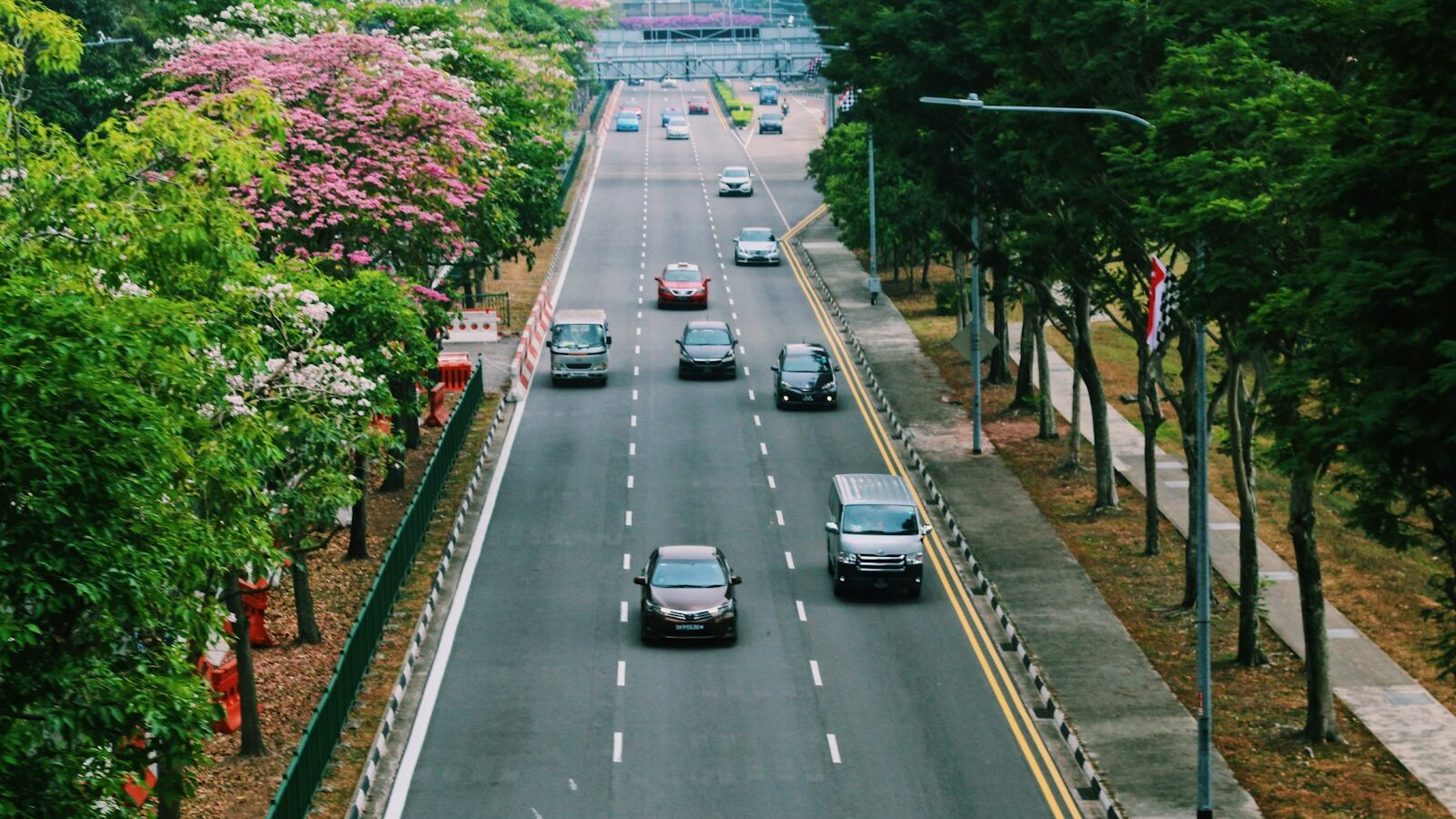
If you have just moved here, one of the first things you will hear is how eye-wateringly expensive cars are, and the phrase at the centre of that story is COE. Singapore runs one of the most tightly controlled car markets in the world, and understanding COE Singapore, the Certificate of Entitlement, is the key to understanding why the same model that costs a modest sum abroad can cost several times more on this island. This guide walks you through the pieces in plain terms so you can decide whether car ownership in Singapore is worth it for you.
All figures below are rough, illustrative, and change often. For current numbers, always check the official sources: the Land Transport Authority (LTA) and its OneMotoring portal. Nothing here is financial advice.

Why cars are so expensive here
Singapore is small, densely populated, and determined not to end up gridlocked. Rather than let anyone who can afford a car simply buy one, the government caps the total number of vehicles on the road and makes people bid for the right to own one. That deliberate scarcity, layered on top of taxes and duties, is why prices sit so high.
The result is that the sticker price of a car here bundles together the vehicle itself, a substantial slice of tax, and the cost of the entitlement to own it at all. In many countries the car is the main expense. In Singapore, the paperwork can cost more than the metal.
What the Certificate of Entitlement (COE) is
A Certificate of Entitlement is, quite literally, a licence to own and use a vehicle for a set period, normally ten years. You do not just buy a car in Singapore; you buy the right to put one on the road, and that right expires.
When the ten years are up, you either pay to renew the COE for another period or the car must be deregistered and usually exported or scrapped. This is why you rarely see very old cars here compared with other cities. The COE is tied to the vehicle and forms a large, sometimes the largest, part of the total price.
How the bidding and quota system works, conceptually
The idea is easier to grasp than the acronyms suggest:
- LTA decides how many new vehicles the roads can absorb over a period. That total is the quota.
- Vehicles are grouped into categories (roughly: smaller or less powerful cars, larger or more powerful cars, and so on, with separate categories for commercial vehicles, motorcycles, and an “open” category).
- Buyers, usually through car dealers, submit bids in a regular exercise held twice a month.
- Because supply is fixed and demand varies, the price settles wherever the last successful bid lands. When more people want cars, the COE price rises; when demand softens, it falls.
So the COE price is not fixed by anyone. It moves with the market, which is why you might hear people say they are “waiting for COE to come down” before buying a car.
Rule of thumb: the COE alone can run into the tens of thousands and, in busier periods, can rival or exceed the underlying cost of a mass-market car. Treat it as a major line item, not a footnote.
The other costs of buying a car
The COE is only one piece. When you are buying a car in Singapore, the price you pay folds in several other components:
- OMV (Open Market Value): a baseline value LTA assigns to the car, reflecting its price, freight, and insurance before local taxes. Most other charges are calculated from this.
- ARF (Additional Registration Fee): a tax charged as a percentage of the OMV, and it rises in tiers, so pricier cars are taxed more heavily.
- Registration fee and excise duty: further charges applied when the vehicle is first registered.
- COE: the entitlement, as above.
- Dealer margin and GST: the showroom’s costs and the prevailing goods and services tax.
Add these together and you get the on-the-road price. This is why comparing a Singapore price with an overseas one rarely makes sense; you are comparing very different bundles.
Running costs you keep paying
Owning the car is a recurring expense long after purchase:
- Road tax: an annual fee based largely on engine size or, for electric vehicles, power output. Bigger engines cost more.
- Insurance: compulsory, and shaped by your driving experience, age, and claims history. Newcomers without a local record often pay more at first.
- ERP (Electronic Road Pricing): charges for driving through certain roads and expressways at busy times, deducted electronically as you pass under the gantries. The busier the road and hour, the higher the charge. Road tax and ERP together mean the cost of driving is felt daily, not just yearly.
- Parking: season parking near home, plus hourly parking around town, in malls, and in the city centre.
- Petrol or charging: fuel here is not cheap, and it adds up with every trip.
- Maintenance and servicing: routine upkeep, tyres, and the occasional repair.
A quick checklist before you commit
- Have you totalled the on-the-road price, not just the car’s headline figure?
- Have you added a realistic monthly sum for road tax, insurance, ERP, parking, fuel, and servicing?
- Have you checked how many years are left on the COE if buying used?
- Have you compared that monthly total against public transport and ride-hailing for your actual routes?
- Have you confirmed the latest figures on OneMotoring rather than relying on hearsay?
Why many people choose not to own a car
Plenty of residents, locals and newcomers alike, do the sums and decide against it. The upfront outlay is enormous, the COE expires, and the running costs never stop. For a household that mostly commutes within the city, a car can sit idle and expensive for most of the week.
Singapore also makes going car-free unusually easy. The public transport network is dense, clean, and reaches nearly everywhere, and the alternatives for the occasional journey are plentiful. For many, the money that would go into a car buys a great deal of taxi rides, rentals, and peace of mind, with change to spare.
Alternatives to owning a car
If you would rather skip car ownership in Singapore, you have good options:
- Public transport: the MRT and bus network covers the island affordably, and for most daily trips it is faster than you might expect once you factor in parking and traffic.
- Ride-hailing and taxis: app-based rides and street taxis handle the trips where public transport is awkward, late at night, in the rain, or with heavy bags.
- Car-sharing: several services let you book a car by the hour or day, so you get a vehicle when you genuinely need one, a big furniture run or a weekend out, without the COE, road tax, or parking headaches.
Many residents mix all three and spend far less than they would owning a car outright.
The bottom line
Car ownership in Singapore is possible and, for some families and lifestyles, worth it. But it is a considered decision rather than a default one. The COE system, together with the OMV, ARF, road tax, ERP, and everyday running costs, makes owning a car a significant long-term commitment. Run the numbers honestly, weigh them against the alternatives, and confirm every figure with LTA or OneMotoring before you sign anything.
Explore more: The real cost of living in Singapore and A guide to public transport in Singapore.