
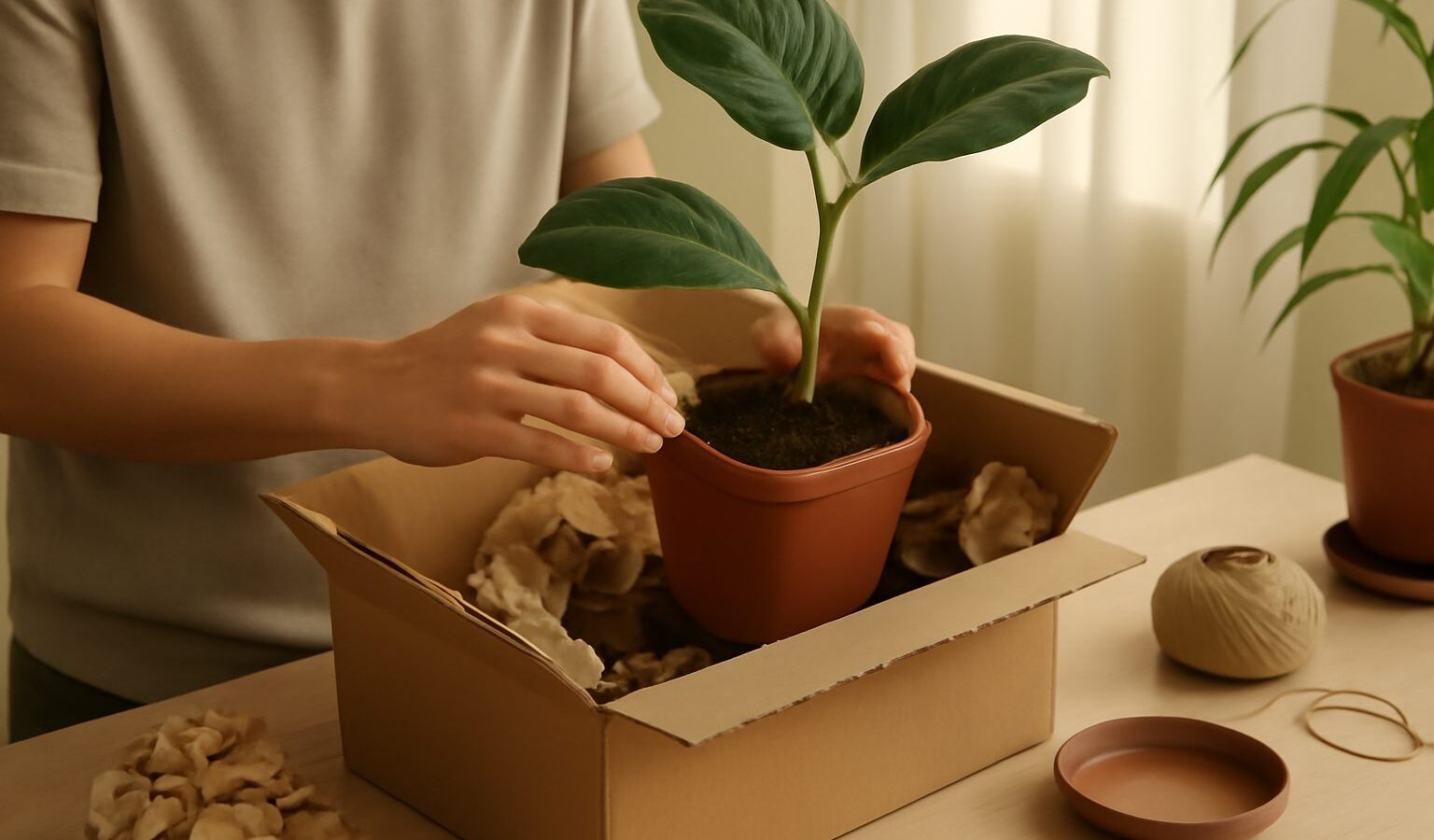
A new plant is exciting, especially a rare variety you have been hunting for months or a cutting a relative has offered to send from home. But every new plant can also carry pests, eggs or disease that you cannot see on day one. Plant quarantine in Singapore has two sides: the official rules that govern plants entering the country, and the simple habit of isolating any new plant at home before it joins your collection. This guide covers both, in plain language, for home growers on HDB balconies, condo windowsills and everything in between.
This article focuses on bringing in or receiving plants and isolating them properly. It is general information only. Import rules can change, so always check the current requirements with the official authority before you act.
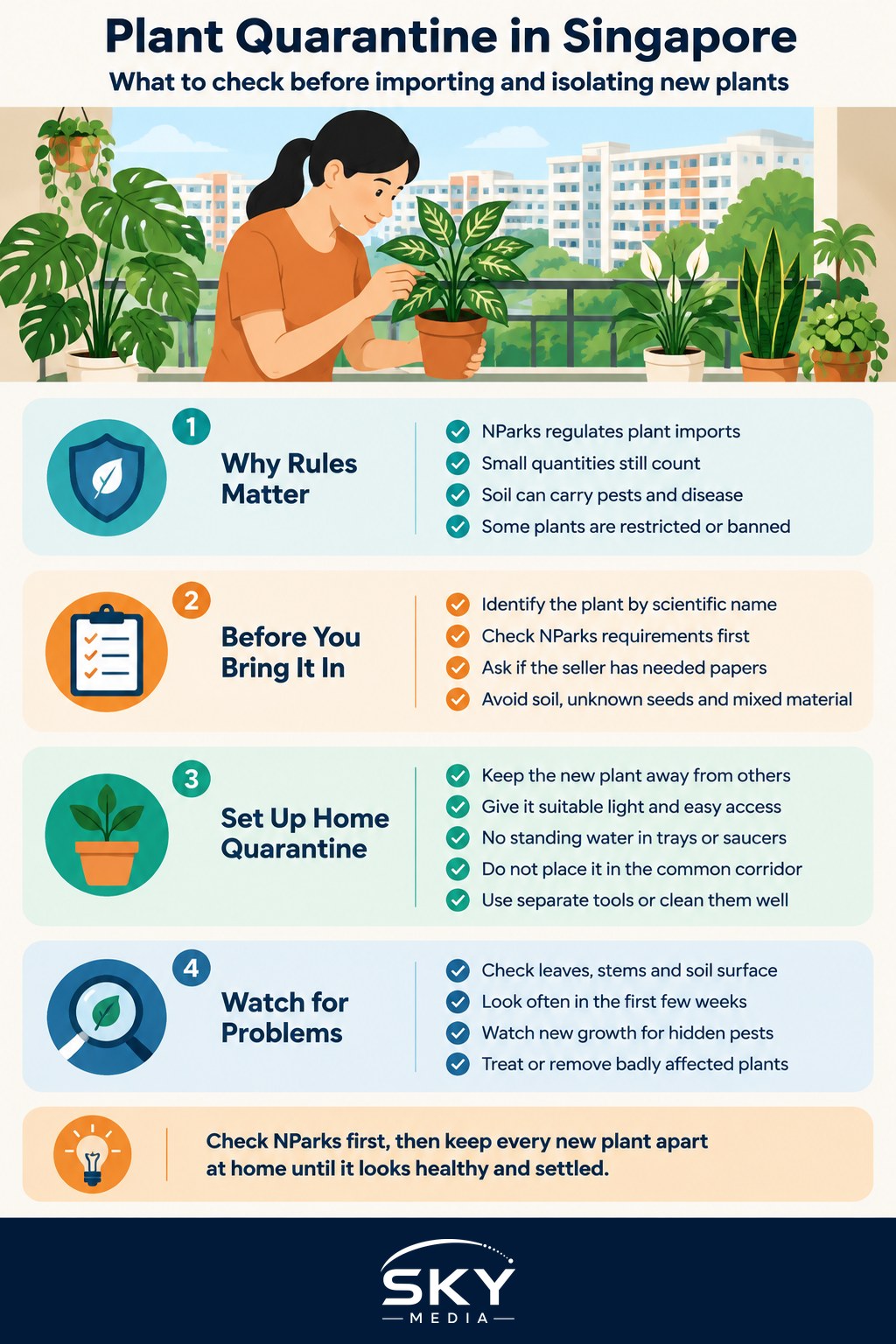
Why Imported Plants Are Regulated in Singapore
Singapore is a small island with a large horticulture trade, parks network and urban greenery. A single new pest or plant disease can spread quickly in a dense, warm and humid city. For this reason, plant imports are regulated by the National Parks Board (NParks), which oversees plant health and the import of plants and plant products.
If you are coming from mainland China, the idea will feel familiar. China also controls plant imports through its customs and quarantine system. The difference for home growers is that Singapore applies its rules even to small quantities, so a few cuttings in your luggage or a parcel from an overseas online shop are not automatically exempt.
In general terms, you should expect that:
- Many plants, seeds, bulbs and cuttings need an import permit from NParks before they arrive.
- Plants from overseas often need a phytosanitary certificate, an official health certificate issued by the plant protection authority in the exporting country confirming the plants were inspected.
- Soil is a particular concern because it can carry pests, fungi and nematodes. Plants are generally expected to arrive free of soil.
- Some plant species are prohibited or restricted, for example because they are invasive or protected under international trade rules (CITES, the Convention on International Trade in Endangered Species).
- Plants carried in luggage must be declared to Singapore Customs and the Immigration and Checkpoints Authority (ICA) at the checkpoint.
Exact requirements depend on the type of plant, where it comes from and why you are bringing it in. Check the NParks website for the current rules, permit applications and any fees before you buy, pack or ship anything.
Before You Order or Bring In a Plant
Most problems happen because someone buys first and checks later. A better order of steps is:
- Identify the plant properly. Know its scientific name, not just a trade nickname. This helps you check whether it is restricted.
- Check the NParks requirements for that plant and country of origin, including whether you need a permit or certificate.
- Ask the seller what documents they can provide. Many small overseas sellers and marketplace shops cannot supply a phytosanitary certificate. If they cannot, the plant may not be allowed in.
- Avoid parcels with soil, seeds of unknown origin or mixed plant material. Undeclared or non-compliant plants may be seized and destroyed, and you may face penalties.
- When in doubt, buy locally. Singapore nurseries already handle imports through the proper channels, and many carry rare varieties. Our guide on where to buy plants in Singapore is a good place to start.
If a friend or family member offers to post you a plant from China or elsewhere, explain the rules kindly. Sending seeds or cuttings in an ordinary parcel can cause trouble for both of you.
How to Set Up a Home Quarantine Spot
Even plants bought legally from a local nursery can carry hitchhikers such as mealybugs, spider mites, thrips, scale insects, fungus gnats or small snails. Home quarantine simply means keeping a new plant away from your other plants long enough to spot problems early.
A good quarantine spot in a Singapore home:
- Is physically separate. A different room, a far corner of the balcony or a shelf away from your main collection. Leaves should not touch other plants.
- Has suitable light. The plant should still get roughly the light it needs, otherwise stress may be mistaken for disease.
- Is easy to inspect. Put it at eye level if you can, so you actually look at it every day or two.
- Has no standing water. Empty saucers and trays regularly. Stagnant water can breed Aedes mosquitoes, and the National Environment Agency (NEA) can take action against mosquito breeding in homes.
- Is not in the common corridor. HDB corridors are shared spaces, and placing plants there can create fire safety and access concerns. Keep quarantined plants inside your own unit.
Use separate tools, or wipe your scissors and spray bottle after handling the new plant. Wash your hands before touching your other plants.
What to Check During the Quarantine Period
Many home growers isolate new plants for a few weeks, because some pests only become visible once their eggs hatch. There is no single official period for home growers. If you see any problem, restart your watching period after treatment.
| Stage | What to do | What to look for |
|---|---|---|
| Day one | Inspect leaves (tops and undersides), stems, leaf joints and the soil surface. Rinse foliage gently if suitable for the plant | Cotton-like clusters, webbing, sticky residue, tiny moving dots, eggs |
| First week | Check every one or two days. Avoid repotting immediately unless the plant is in poor soil | Yellow spots, curling new leaves, gnats flying from the pot |
| Following weeks | Keep watching new growth closely, since many pests prefer soft new leaves | Silvery streaks, distorted leaves, brown bumps on stems |
| End of quarantine | Do a final full inspection before moving the plant | No new signs for a sustained period means it is likely safe to join others |
Some changes are not pests at all. A plant moving from a nursery to your home may drop a few leaves or droop while it adjusts. Our guides on how to acclimatise a new plant and why your plant is dropping leaves explain the difference between normal stress and real trouble.
If You Find Pests or Disease
Stay calm. Finding a pest during quarantine is exactly the point of quarantine.
- Remove what you can by hand. Wipe off mealybugs or scale with a damp cloth or cotton bud.
- Rinse the plant with a gentle stream of water if the species tolerates it.
- Prune badly affected leaves and bag them before throwing them away.
- Use treatments carefully. If you use a horticultural soap, oil or other product, follow the label instructions exactly and keep it away from children and pets.
- Consider replacing the potting mix if you suspect fungus gnats or root problems.
- Know when to let go. If a plant has a serious or spreading disease, disposing of it may protect the rest of your collection.
If you notice an unusual pest or disease that you cannot identify, especially on a plant that came from overseas, you can contact NParks for advice. Reporting unusual cases helps protect Singapore’s wider greenery.
Simple Habits That Keep Your Collection Healthy
Quarantine works best as a routine rather than a one-off effort. Make it a rule that every new plant, gift or cutting spends time in isolation, even if it looks perfect. Keep a small notebook or phone note with the date each plant arrived, where it came from and what you saw during checks. Over time, you will learn which sources send healthy plants and which ones need extra caution.
Above all, put the official rules first. Check NParks before you import anything, buy from sellers who can provide proper documents, and isolate every newcomer at home. Plant quarantine in Singapore is not complicated once you build the habit, and it keeps both your home jungle and the wider city green and healthy.
Frequently Asked Questions
How can I find out whether a plant species is restricted before I buy it? Start with its scientific name, since common trade names can mislead. Then check the NParks website for import requirements for that species and country of origin, and see whether it is listed under CITES. If the result is unclear, ask NParks directly before you order anything.
Can I bring back a cutting from a friend’s garden after an overseas trip? Not casually. Plants and cuttings carried in luggage are still subject to the import rules and must be declared at the checkpoint. Many need a permit or health certificate, and soil is not welcome. Check with NParks before you travel, and consider buying from a local nursery.
What can happen if an overseas plant parcel is stopped at the border? Plants without the right permit or documents can be held, seized and destroyed, and penalties may apply. You usually cannot get them back once destroyed. If a parcel is held, follow the instructions you receive and contact NParks for advice rather than ignoring the notice.
Should I spray every new plant with pesticide as a precaution? Not by default. Inspect first, since a healthy-looking plant may need nothing but isolation and observation. If you do treat it, use a product suited to the plant and pest, follow the label exactly, and keep it away from children and pets.
Do I need to quarantine plants swapped with local plant friends? Yes, it is still wise. Pests spread easily between collections, and a friend may not know their plant carries any. Keep the new plant apart and inspect it the same way you would a nursery purchase. A swap is also a good chance to ask where the plant came from.