
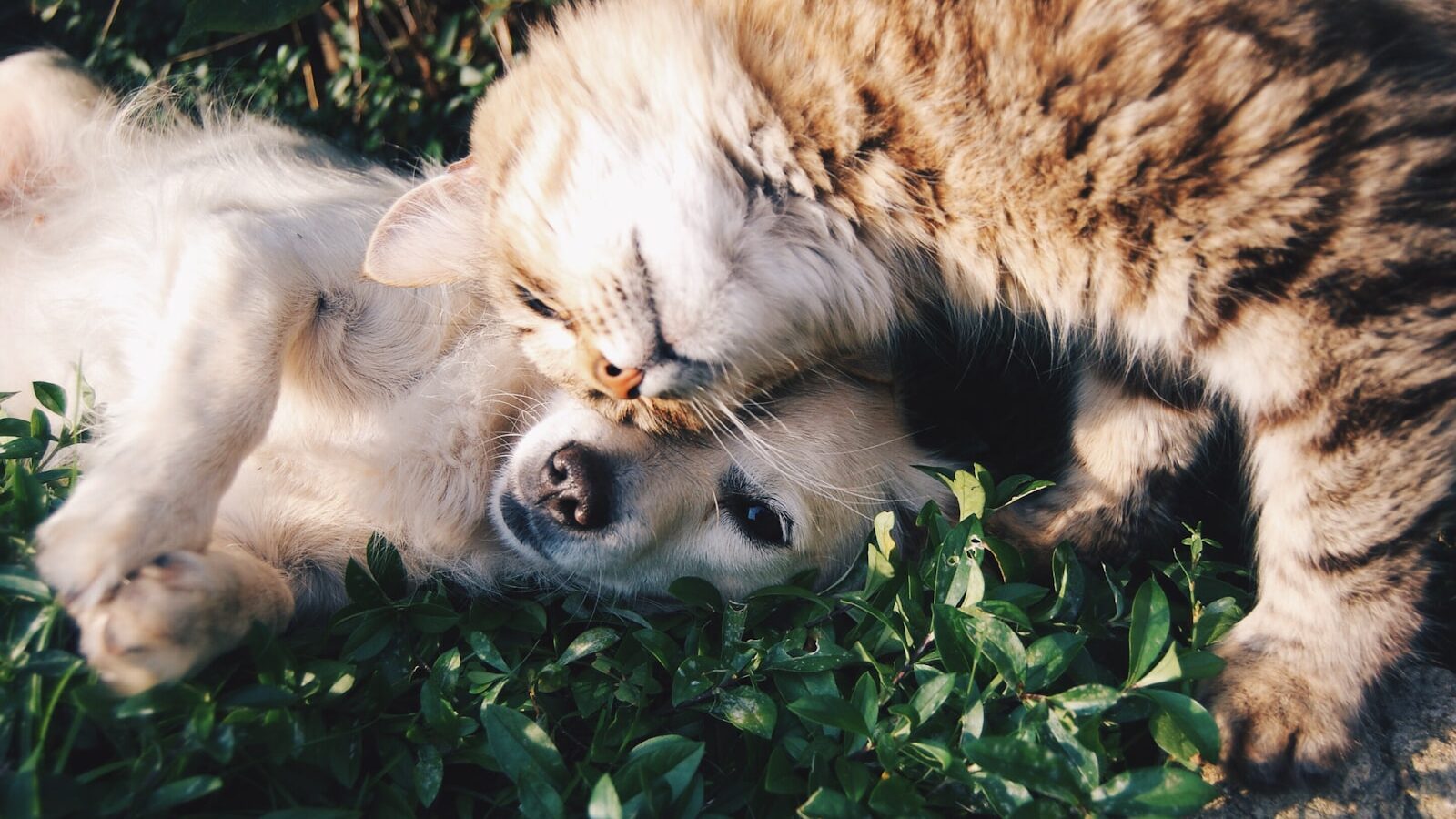
If you share your home with a cat, dog, rabbit or any curious pet, choosing houseplants deserves a little extra thought. Many popular, easy-to-grow plants are surprisingly toxic if a pet chews or eats them. The reassuring news is that plenty of attractive, hardy greenery is generally considered safe, so you can enjoy a leafy home without constant worry. This guide to pet friendly plants in Singapore points you towards commonly non-toxic options, flags the ones worth avoiding, and explains the sensible habits that keep everyone safe.
An important note first. This article is general guidance to get you started. It is not exhaustive and it is not a medical or veterinary reference. Toxicity can depend on the plant, the amount eaten and your individual pet, and even a broadly safe plant can cause an upset stomach. Always verify each plant’s safety yourself from a reputable source before buying, and if you suspect your pet has eaten any plant, contact a vet straight away.
Commonly Pet-Friendly Plants to Start With
These plants are widely regarded as non-toxic to cats and dogs and, happily, they also cope well with our warm, humid climate and typical HDB light levels. They make a great starting collection for a pet home.
- Spider plant: tough, forgiving and quick to produce baby plantlets you can pot up for free. Happy in bright, indirect light.
- Areca palm: a graceful, feathery palm that adds height and is generally considered pet-safe. Loves a bright corner.
- Calathea: prized for its patterned leaves, it suits the lower light of many flats and enjoys our humidity.
- Parlour palm: compact, shade-tolerant and undemanding, ideal for a side table.
- Boston fern: lush and non-toxic, though it likes steady moisture and humidity to look its best.
- Peperomia: small, varied and slow-growing, perfect for tight spaces and shelves.
Even with generally safe plants, some pets will still nibble and get a mild tummy upset, so it is wise to place plants where they are less tempting and to discourage chewing.
Common Houseplants That Are Toxic to Pets
This is the part to take seriously. Several of the most common and most heavily marketed houseplants in Singapore are toxic to pets if eaten. The list below is not complete, but it covers popular ones to keep well out of reach, or to skip entirely if your pet is a determined chewer.
| Plant | Common in SG homes | Why take care |
|---|---|---|
| Pothos and philodendron | Very common | Contains irritant crystals, toxic if chewed |
| Monstera | Very popular | Same irritant crystals as above |
| Dieffenbachia (dumb cane) | Common | Causes painful mouth and throat irritation |
| Sago palm | Sold as ornamental | Highly toxic, especially the seeds |
| Lilies (true lilies) | Cut flowers and pots | Extremely dangerous to cats |
If you already own one of these and love it, you do not necessarily have to give it away. Instead, keep it physically out of reach: a high shelf, a hanging pot well above jumping range, or a room your pet cannot access. Just be honest with yourself about how agile and persistent your pet is.
How to Keep Curious Pets Safe
A pet-friendly home is about habits as much as plant choice. A few sensible measures make a real difference:
- Verify before you buy. Check each plant against a reputable toxic-plant reference, since nursery labels rarely mention pets.
- Position with intent. Use hanging planters, wall shelves and high stands to lift tempting plants out of reach.
- Discourage chewing. Give bored pets other outlets; cats especially may chew greenery out of boredom, so offer pet grass grown for the purpose.
- Watch the water and feeding. Never let water stagnate in pot saucers or trays, because standing water breeds Aedes mosquitoes and dengue is a real risk here; tip out excess after watering and follow NEA’s anti-mosquito advice.
- Mind fertilisers and pesticides. Follow the product label, store them well away from pets and children, and prefer eco-friendly options.
Keep your vet’s number and the details of a 24-hour animal clinic somewhere handy. If your pet ingests a plant and shows drooling, vomiting, lethargy or any distress, do not wait and watch; contact a vet immediately and tell them what was eaten.
Choosing Plants for Your Space and Budget
You do not need a big or bright home to build a safe green collection. Match the plant to your conditions and your pet’s habits rather than chasing whatever is trending.
- For low-light flats: parlour palm, calathea and peperomia tolerate shadier corners.
- For a bright balcony: areca palm and spider plants relish the light, though shield them from the harshest afternoon sun.
- For determined chewers: favour hanging and wall-mounted plants, and lean on genuinely non-toxic species only.
- Starting out: begin with one easy, safe plant such as a spider plant, and build from there once you are confident.
Where to buy? Local nurseries such as Far East Flora, the Sungei Tengah and Thomson nursery clusters, community nurseries, IKEA and reputable online sellers all carry these species. Ask staff to confirm the exact plant name, since common names get muddled, and then verify its pet-safety yourself. Prices vary widely by plant size and supplier, so check the nursery rather than relying on a fixed figure; small starter pots are very affordable, while large, established palms sit at the pricier end.
With a little care in choosing and placing your plants, you can absolutely have a lush, leafy home and a happy, healthy pet. Start with one or two of the safe options above, learn how your particular pet reacts around greenery, and grow your collection slowly from there. A cautious, well-informed approach beats a big collection you cannot keep an eye on, and it lets you relax and enjoy the greenery you have worked to bring indoors.
Explore more
For more family-friendly growing, read our companion guide to child-safe plants for family homes. When you are ready to expand your collection, see where to buy plants in Singapore, and get everyone involved with how to garden with kids.