
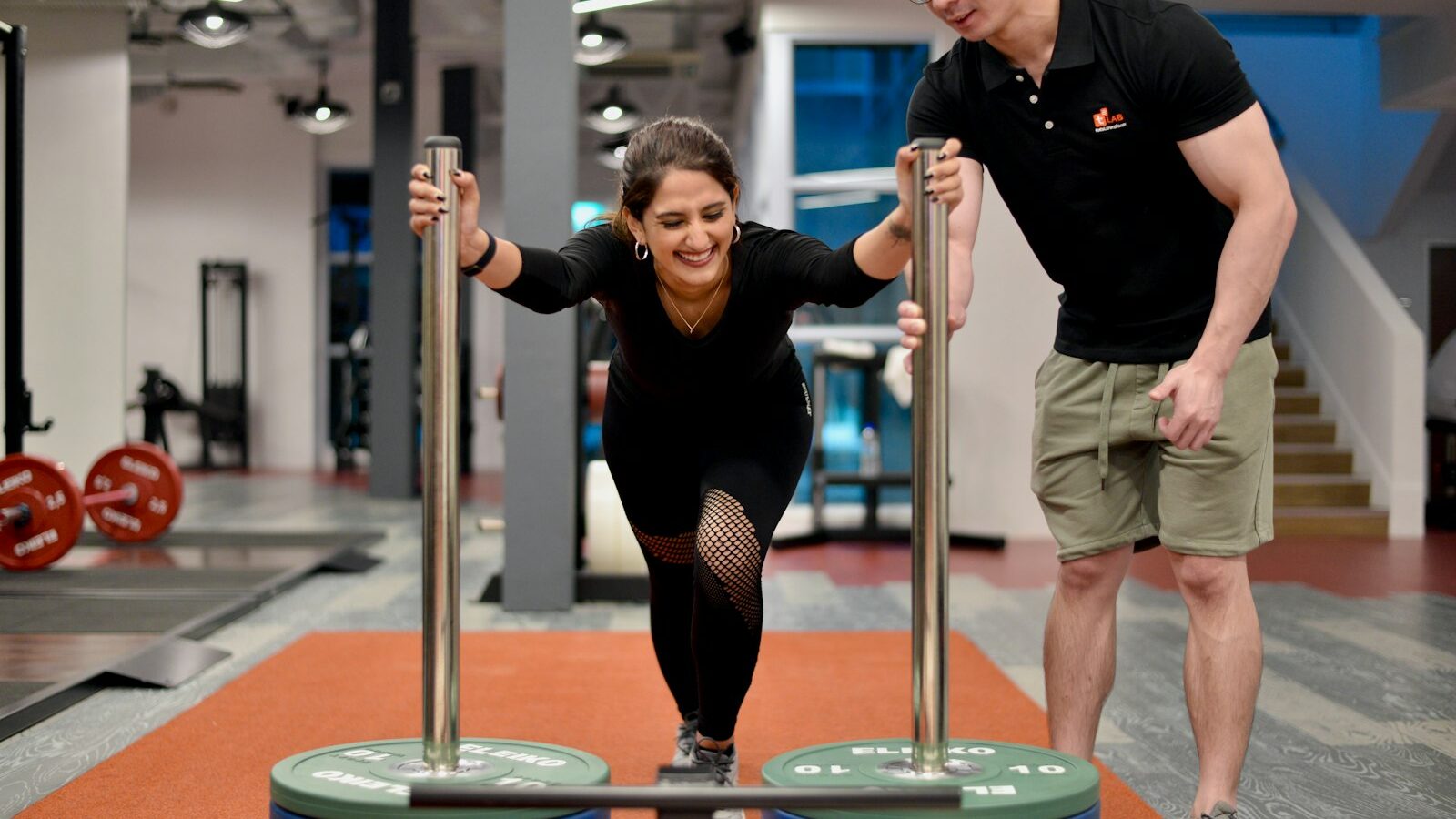
Explosive, springy movements like jumps and hops fall under plyometrics singapore athletes use to build power and speed. Done well, jump training can make you faster, more athletic and better at absorbing force. Done carelessly, it can strain joints, because it is higher impact than most gym work. This article is general fitness information, not medical advice. Plyometrics need a base of strength and good landing mechanics first, so if you are new to training, carrying extra weight, pregnant, managing a joint issue or returning from injury, check with your doctor or a qualified coach before you start.
What Plyometrics Actually Are
Plyometrics are exercises that involve a quick, powerful movement where a muscle rapidly stretches and then contracts. A jump is the classic example. As you dip down, your muscles load like a spring, and then you drive up explosively. Landing, hopping and bounding all use the same principle.
The goal is not to feel exhausted the way a long circuit might. The goal is quality and speed of movement. Because each rep is intended to be sharp and powerful, plyometric work is usually done with low reps and full recovery between efforts, not as a breathless grind.
Why Ease In Slowly
The single most important message about jump training is that it is higher impact than most other exercise. Every landing sends force through your ankles, knees and hips. That force is useful and trainable, but only if you build up to it gradually and with good technique.
This is why a base of general strength matters before you begin. If your legs are already reasonably strong from squats, lunges and other basic work, they are far better prepared to absorb landings. Jumping into advanced plyometrics without that base is a common way to pick up niggles.
Landing mechanics matter just as much as jumping. A good landing is soft and controlled, with your hips sitting back, your knees tracking over your toes and your whole foot helping to absorb the shock. If you land stiff, noisy and off balance, that is a sign to slow down and rebuild the basics before adding height or volume.
A Sensible Progression
Rather than starting with high boxes or deep bounds, build up through stages. The idea is to earn each level by showing you can control the one before it. Here is a simple way to picture the progression.
| Stage | Focus | Example moves | When to progress |
|---|---|---|---|
| Foundation | Landing and balance | Squat to soft landing, low hops in place | Landings feel quiet and controlled |
| Low intensity | Small, controlled jumps | Ankle hops, short skips, low broad jumps | You stay balanced and pain free |
| Moderate | More power, still controlled | Box jumps to a low box, bounding for short distances | Technique holds up when tired |
| Advanced | Higher demand | Higher jumps, repeated hops | Only with a solid strength base and good control |
Progress through these stages over weeks, not days. If any level feels shaky or sore in the joints, drop back a step and rebuild. There is no prize for rushing.
How to Fit It Into a Week
Because plyometrics are demanding on your joints and nervous system, they suit shorter, sharper sessions with plenty of rest. Many people include a small dose once or twice a week, placed early in a workout when you are fresh rather than at the end when you are tired and more likely to land poorly.
A few practical habits keep the quality high:
- Do plyometric work when you are fresh, not fatigued, so every landing is controlled.
- Keep the volume low, focusing on a handful of quality reps with full rest between sets.
- Choose a forgiving surface where you can, rather than hard, uneven ground.
- Warm up thoroughly with easy movement and some light hops before the real work.
- Stop the session if your landings start getting sloppy, since that is the danger zone.
Because Singapore is warm and humid, take your rest between efforts seriously and stay hydrated. Fatigue creeps in faster in the heat, and tired legs land worse.
Who Should Be Cautious
Plyometrics are not the right starting point for everyone. If you are very new to exercise, it is wiser to spend a few months building general strength and movement quality first. People carrying extra body weight put more load through their joints on each landing, so a slower, gentler build up is sensible. Anyone with a history of knee, ankle, hip or back trouble should get clearance and guidance before jumping.
There is no need to feel left out if plyometrics do not suit you right now. Plenty of other training builds strength and fitness without the impact, and you can always add jumps later once your foundation is solid. The point is to match the training to where your body is today.
Keeping It Safe and Effective
Good jump training is about quality, not quantity. A small number of crisp, well controlled reps beats a long, tiring session of tired, heavy landings. Treat every landing as the real skill, since absorbing force well is what protects your joints and makes you more athletic.
Pair your plyometric work with the basics that support it, including regular strength training, proper warm ups, good sleep and enough rest. Progress gradually using the same principle you would use anywhere else, adding a little at a time rather than large jumps in difficulty. And as always, stop immediately if you feel sharp or unusual pain, and get it checked if it does not settle.
The Bottom Line
Plyometrics and jump training can make you more powerful, faster and better at handling force, which carries over to many sports and everyday movement. The catch is the impact, so build a base of strength first, master soft and controlled landings, and progress slowly through gentle stages. Keep the reps sharp, the rest generous and the technique clean. Approached with patience and respect, jump training is a rewarding tool. Rushed, it is an easy way to get hurt, so ease in.
Explore more
Strength Training for Beginners
Warming Up and Cooling Down Properly
Building Muscle in Singapore
Why Rest Days Matter