
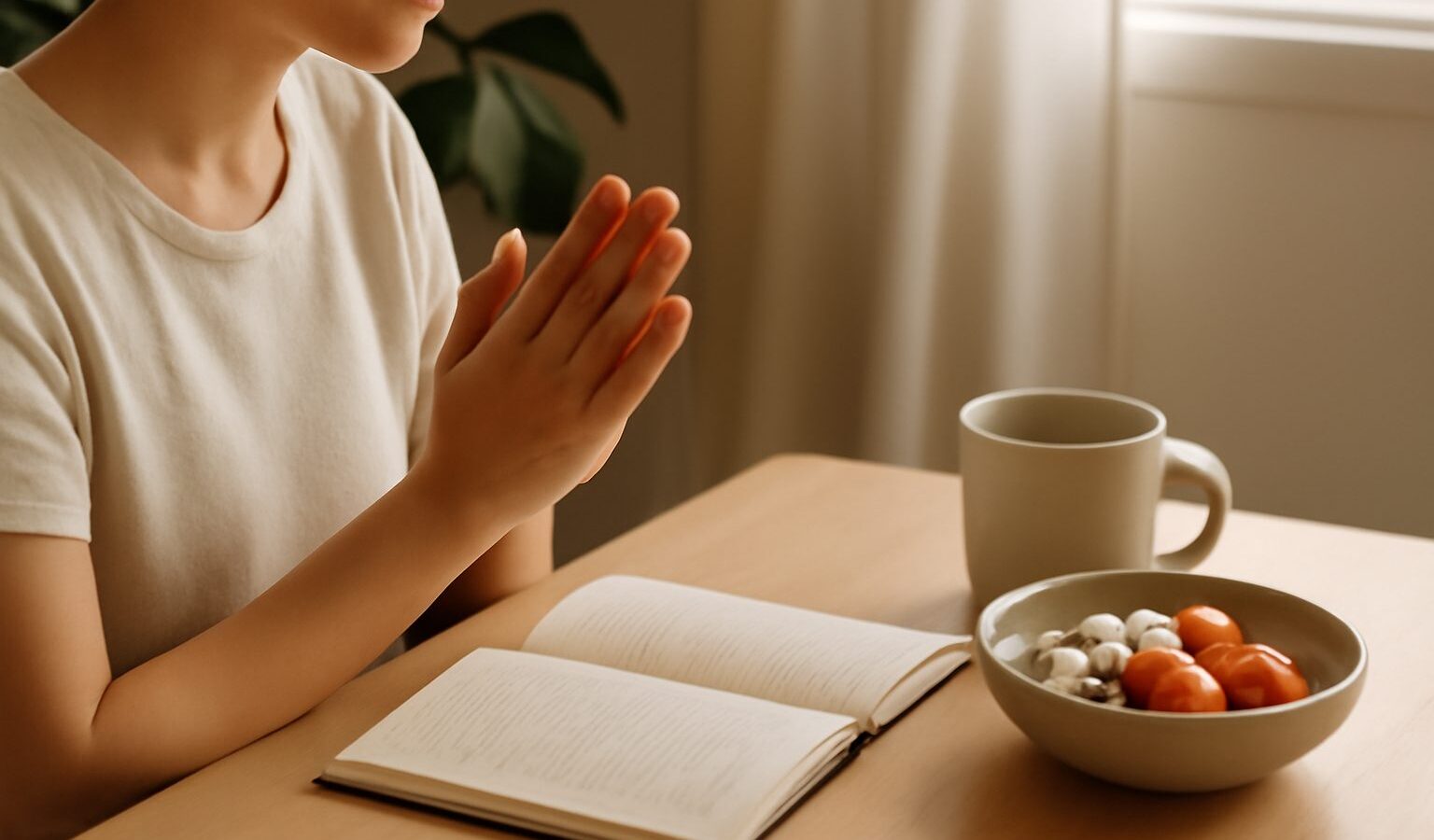
Gratitude is simply the practice of noticing and appreciating the good things in your life, big or small. It has become a popular wellbeing tool, and for good reason, but it is worth being honest about what it can and cannot do. If you are curious about practising gratitude in Singapore as part of looking after your mind, this guide offers a grounded view: what the evidence suggests, a few simple ways to start, and where its limits lie. Think of it as supportive self-help, not a cure and not a substitute for professional care.
Life here can move quickly. Long commutes, packed schedules, exam stress, and the constant hum of comparison online can leave the mind fixed on what is missing or going wrong. Gratitude is not about pretending problems do not exist or forcing a cheerful face. It is about widening your attention so that the good is not crowded out entirely by the difficult. That small shift in where you point your attention can, over time, make daily life feel a little warmer.
What the Evidence Actually Shows
Gratitude has been studied fairly widely, and the honest summary is encouraging but modest. Research generally links regular gratitude practice with somewhat better mood, more life satisfaction, and stronger feelings of connection to others. Some studies suggest it can support better sleep and lower stress, partly because a calmer, less ruminating mind settles more easily at night.
The important caveats are these. Effects tend to be small to moderate, not dramatic, and they vary a lot from person to person. Gratitude is not a treatment for depression, anxiety, or any mental health condition, and it should never be used to guilt someone out of genuine distress by telling them to “just be grateful”. Nobody chooses to feel low, and appreciating what you have does not erase real pain, hardship, or injustice. Used well, gratitude is one small, low-cost habit that can nudge wellbeing in a helpful direction. That is a reasonable thing to want, and a realistic one.
Simple Ways to Practise
You do not need an app, a special notebook, or a lot of time. The most reliable gratitude practices are small and repeatable. Here are a few to try.
- Three good things. At the end of the day, note three things that went well or that you appreciated, however ordinary, from a good kopi to a kind message. Adding why each one mattered can deepen the effect.
- Savour the moment. Pause during something pleasant, the breeze after rain, a shared meal at a hawker centre, and let yourself actually feel it for a few breaths rather than rushing past.
- Write a thank-you. Occasionally tell someone specifically what you are grateful for, whether a friend, a colleague, or a family member. Expressed gratitude tends to strengthen relationships, which matter enormously for wellbeing.
- Reframe a hard day. On tougher days, look for one small thing that still held up, even if it is just that the day is over and you got through it.
- Keep it flexible. If a nightly list starts to feel like a chore, switch to a few times a week. Forced gratitude loses its point.
Gratitude sits comfortably alongside other gentle practices. Writing things down regularly can make the habit stick, and our guide to journaling for mental health covers how to do that without pressure. Learning to stay with the present moment also supports gratitude, which is why many people pair it with mindfulness and meditation for beginners.
Making It Stick Without Forcing It
The most common reason gratitude practice fizzles out is that people treat it as another task to perfect. It works better when it is light and genuine. Attach it to something you already do, such as reflecting while brushing your teeth or on the ride home, so it has a natural cue. Aim for honesty over quantity; one thing you truly appreciate beats five you scribbled on autopilot.
It also helps to expect quiet results rather than fireworks. You may not feel transformed, but over weeks you might notice you are complaining a little less, or catching small pleasures you used to miss. Gratitude tends to grow the same muscle as self-worth, so it often pairs well with improving your self-esteem. Be patient with yourself if some days there is little you can muster. That is normal, and skipping a day does not undo your progress.
When Gratitude Is Not Enough
Gratitude is a wellbeing habit, not a mental health treatment, and it is important to know its limits. If you are struggling with persistent low mood, anxiety, hopelessness, or distress that does not lift, please do not rely on gratitude alone. Speak to a doctor, counsellor, or psychologist, who can offer proper assessment and support. Effective help exists, and reaching for it is sensible, not a failure. If you are in crisis or having thoughts of harming yourself, contact a doctor, a national helpline, or emergency services without delay.
Used honestly and gently, gratitude is a small, steadying practice you can carry anywhere. Start tonight with one thing you genuinely appreciated today, keep it light, and let it become one of several ways you look after your wellbeing. It will not fix everything, and it does not need to. It simply helps you see your own life a little more fully.