
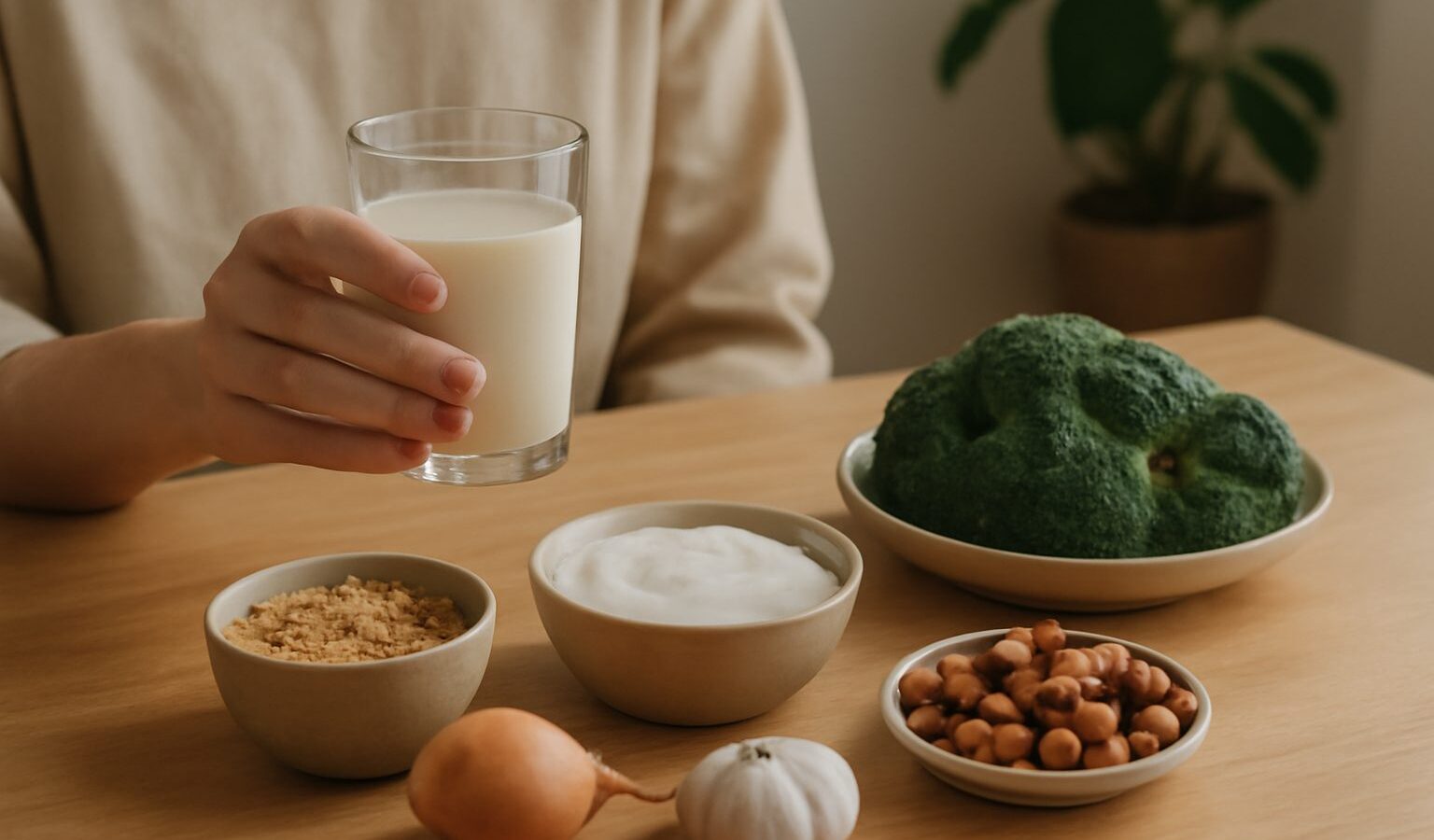
Gut health has become one of the most talked-about topics in wellness, and along the way a slightly confusing word keeps popping up. Prebiotics in Singapore are marketed on yoghurt tubs, supplement bottles, and health blogs, often in the same breath as probiotics, which are not the same thing at all. The good news is that prebiotics are refreshingly simple once you strip away the jargon, and you can get plenty of them from ordinary food without buying anything special. This guide explains what prebiotics are, why they matter, and how to fit more of them into everyday Singapore eating.
A quick note first. This is general nutrition information, not medical or dietary advice. Most people can enjoy prebiotic-rich foods happily, but if you have a diagnosed digestive condition, are managing a health issue, or are unsure, it is worth checking with a doctor or dietitian before making big changes.
Prebiotics Versus Probiotics
The two words look almost identical, which is exactly why people mix them up. The difference is easy to remember once it clicks.
Probiotics are live, helpful bacteria, the kind found in fermented foods and some supplements. Think of them as adding useful residents to your gut. Prebiotics are different. They are types of fibre and plant compounds that your body cannot fully digest, but which the good bacteria already living in your gut can feed on. In other words, prebiotics are food for your gut bacteria.
A simple way to picture it: probiotics are the gardeners, and prebiotics are the compost that helps the garden thrive. You need a healthy environment for the bacteria to do their work, and prebiotic fibre helps provide it. When these bacteria ferment prebiotic fibre, they produce compounds that support the lining of your gut, which is part of why fibre-rich diets are so consistently linked with better digestive health.
If you want the fuller picture of how the gut ecosystem works together, our guides to gut health and digestion and understanding probiotics and gut bacteria pair naturally with this one.
Everyday Prebiotic Foods
Here is the part that saves you money. Prebiotics are found across a wide range of ordinary plant foods, many of which are easy to find in Singapore markets, supermarkets, and hawker centres. You do not need a special powder to get them.
Foods that are naturally good sources include:
- Onions, garlic, leeks, and spring onions, which appear in countless local dishes.
- Bananas, especially slightly less ripe ones, as an easy snack.
- Oats and barley, useful at breakfast or in soups.
- Legumes such as chickpeas, lentils, and beans, which turn up in everything from dhal to bean-based desserts.
- Wholegrains in place of refined versions, for example brown rice or wholemeal bread.
- Other vegetables and fruit more broadly, since a varied plant intake feeds a varied gut.
Notice how many of these already feature in familiar meals. The garlic and onions in your stir-fry, the beans in your curry, the banana you grab on the way out, all quietly contribute. That is the encouraging message here. Eating for your gut is less about exotic products and more about a colourful, plant-rich plate. Our guide to eating more fibre for better health goes deeper on building that habit, and nutrition basics covers how it all fits into balanced meals.
Getting More Without Upsetting Your Stomach
There is a sensible way to increase prebiotic foods, and a way that leaves you bloated and uncomfortable. The key is to go gradually. If your diet is currently low in fibre and you suddenly pile on beans, onions, and wholegrains at every meal, your gut bacteria will happily get to work, and the side effect can be wind and bloating while your system adjusts.
A gentler approach:
- Build up slowly over a couple of weeks rather than all at once.
- Drink enough water, which matters even more in Singapore’s heat, since fibre works best with adequate fluids.
- Spread prebiotic foods across the day instead of loading them into a single meal.
- Notice how you feel and ease off if a particular food consistently disagrees with you.
Some people, particularly those with a sensitive gut or conditions such as IBS, find that certain high-fibre or fermentable foods trigger symptoms. If that sounds like you, a doctor or dietitian can help you find the right balance rather than cutting things out blindly.
Do You Need a Supplement?
With prebiotic powders and fibre supplements on the shelves, it is fair to ask whether you need one. For most people, the honest answer is food first. A varied diet with plenty of vegetables, fruit, wholegrains, and legumes tends to cover prebiotics comfortably, and whole foods bring a range of other nutrients that a single powder cannot match. Supplements are not regulated like medicines, quality varies, and they are not a fix for an otherwise unbalanced diet. If you are considering one for a specific reason, check with a doctor, pharmacist, or dietitian first, especially if you are pregnant, breastfeeding, on medication, or managing a condition.
The takeaway is reassuring. Prebiotics are simply the fibres that feed your friendly gut bacteria, and Singapore’s food scene is full of them. Keep your plate varied and colourful, build up fibre gradually with plenty of water, and let everyday meals do the work. It is one of the least complicated, most affordable things you can do for your gut.